
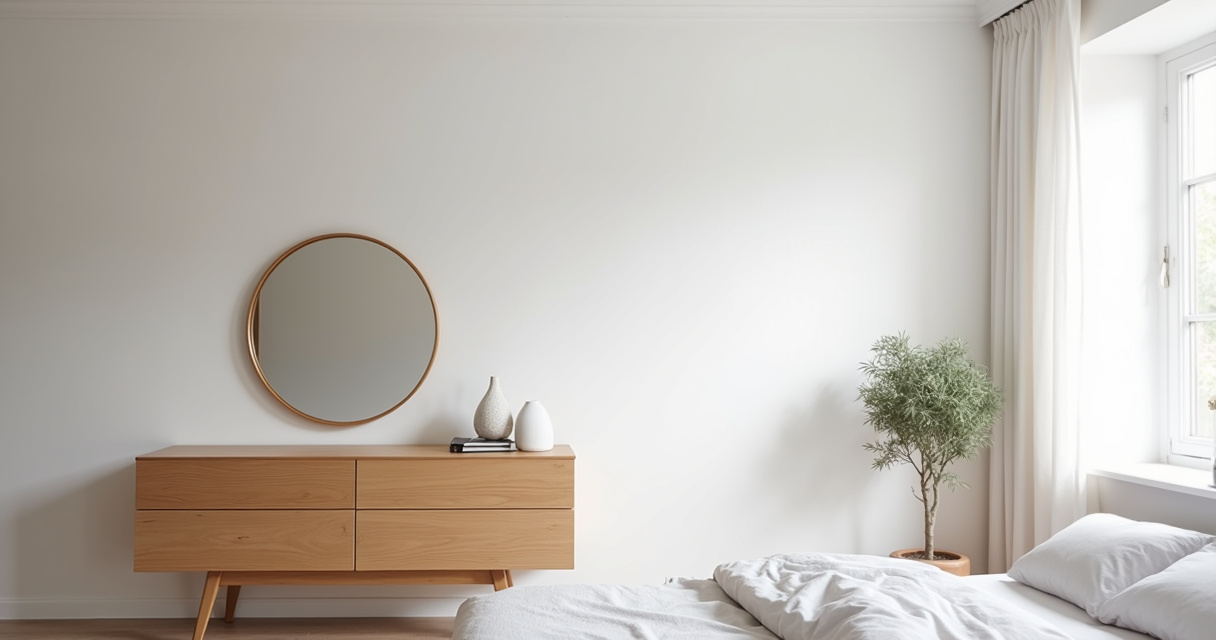
Your bedroom should transcend being merely a place to sleep; it ought to be a tranquil haven where Eastern philosophies meet Western aesthetics, blending modern design with enduring comfort. Having guided numerous clients in turning their bedrooms into serene sanctuaries, I’ve discovered that the key lies in a well-thought-out furniture arrangement. Whether you inhabit a compact city apartment or a spacious suburban residence, these innovative layout strategies will help you design a room that balances practicality with visual appeal.
1. Strategic Bed Positioning: The Foundation of Bedroom Harmony
The bed serves as the focal point of your bedroom, influencing the entire room’s ambiance. Imagine it as the centerpiece of a mandala, with every other element radiating from it. Too often, I see beds awkwardly shoved against walls without regard for the room’s natural flow, which disrupts movement and energy balance.
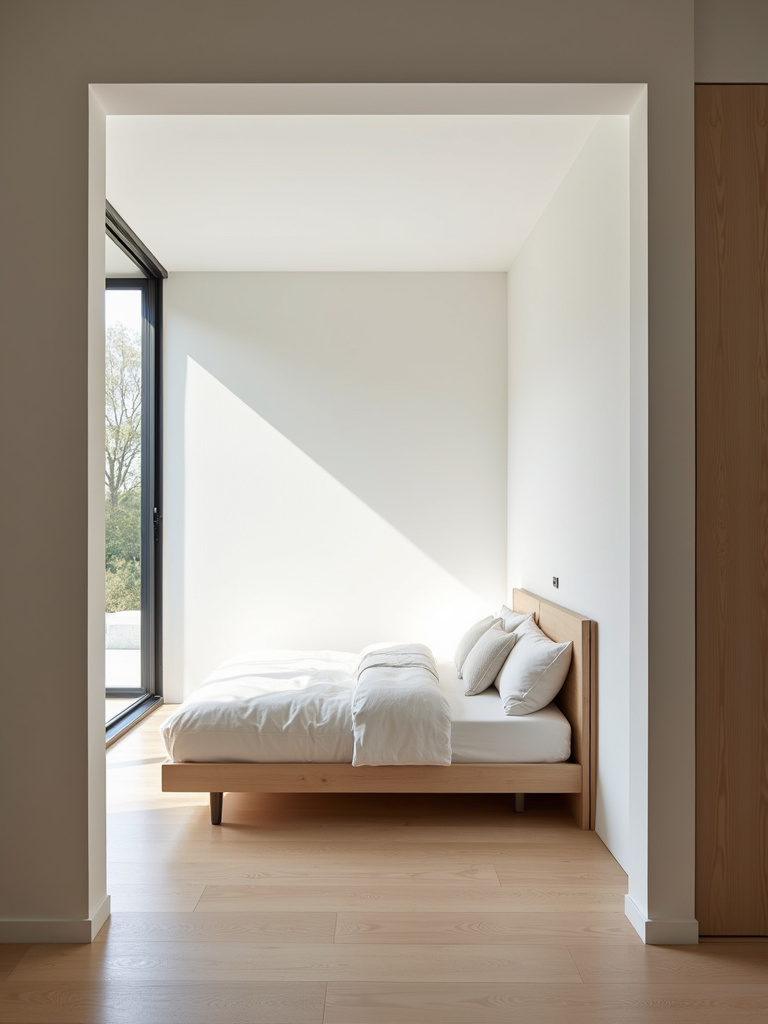
Drawing from the ancient wisdom of Vastu Shastra, which aligns seamlessly with contemporary design principles, position your bed so you can view the entrance without being directly aligned with it. This placement fosters a sense of safety and encourages positive energy circulation. Ensure there is at least 75 centimeters (approximately 2.5 feet) of clearance on either side to facilitate ease of movement and balanced energy.
- Accurately measure your bedroom and draft a detailed floor plan
- Identify all doors, windows, and power outlets
- Test various bed placements on paper before committing
- Observe natural light patterns throughout the day
Next, let’s delve into innovative alternatives to traditional nightstands that can infuse your space with personality.
2. Innovative Nightstand Alternatives to Elevate Your Space
While classic nightstands serve their purpose, they can sometimes lack character. In my projects, I often introduce unique pieces that tell a story-such as a reclaimed teakwood crate reminiscent of a coastal cottage or a minimalist floating shelf that complements a sleek, modern aesthetic.
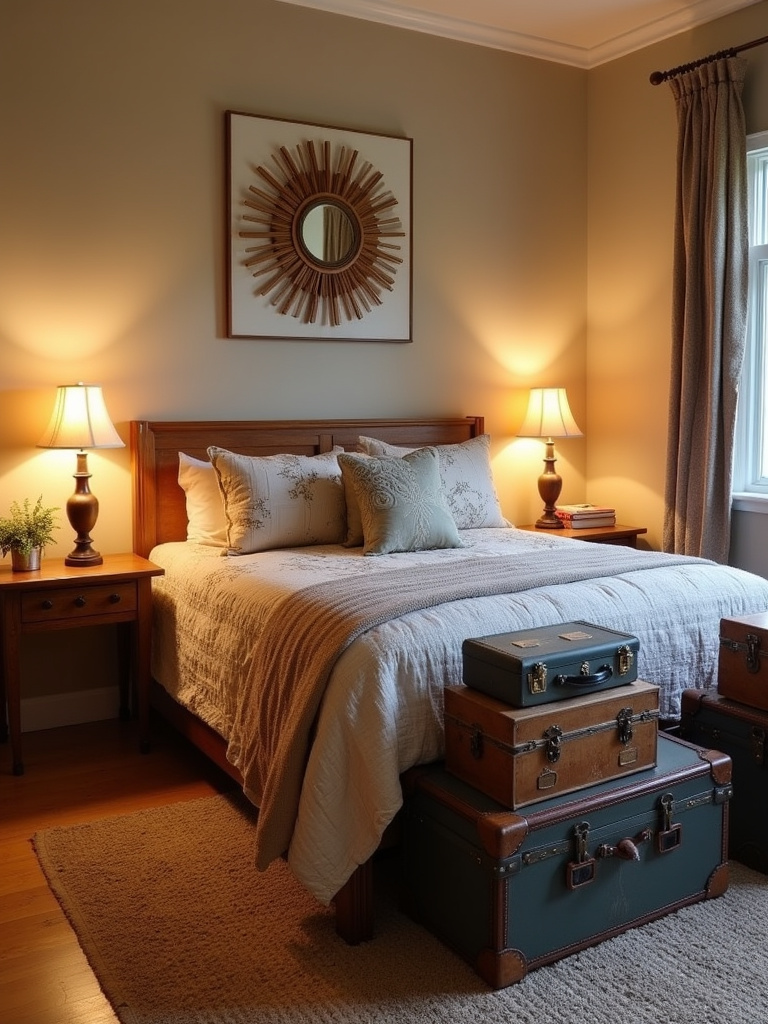
Consider these space-conscious and stylish options:
- Floating shelves with concealed supports
- Repurposed antique trunks or suitcases
- Wall-mounted drawer units
- Slender console tables
- Hand-carved wooden stools
These choices not only optimize space but also add visual intrigue and a personal touch-key ingredients for a thoughtfully designed bedroom.
Moving forward, let’s examine how to position your dresser for both style and practicality.
3. Optimal Dresser Placement for Function and Flow
The dresser acts as a quiet custodian of your wardrobe, and its location can significantly influence your bedroom’s layout. In compact rooms, I often suggest integrating dressers within walk-in closets or opting for tall, narrow designs to conserve floor space. This strategy preserves the room’s calm atmosphere while keeping storage within easy reach.
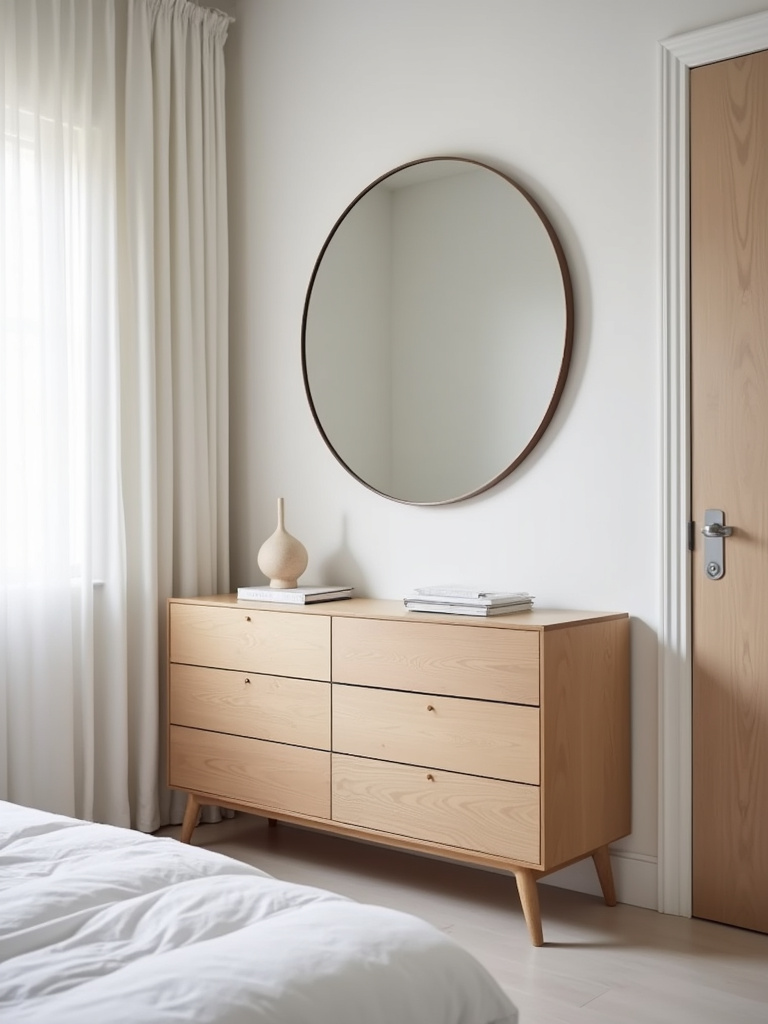
When arranging your dresser, keep these considerations in mind:
- Maintain clear traffic pathways
- Allow sufficient space for drawer operation
- Position mirrors thoughtfully for functionality and light
- Ensure harmony with surrounding furniture
Your dresser and bed should complement each other, much like a well-rehearsed duet.
Next, let’s explore how wardrobes can enhance storage without compromising your room’s aesthetic.
4. Seamless Wardrobe Integration: Maximizing Storage Elegantly
Modern wardrobes must transcend mere clothing storage; they should blend effortlessly into your bedroom’s design while optimizing space. Inspired by the efficient use of space in traditional Japanese interiors, I recommend wardrobes that utilize every inch without sacrificing style.
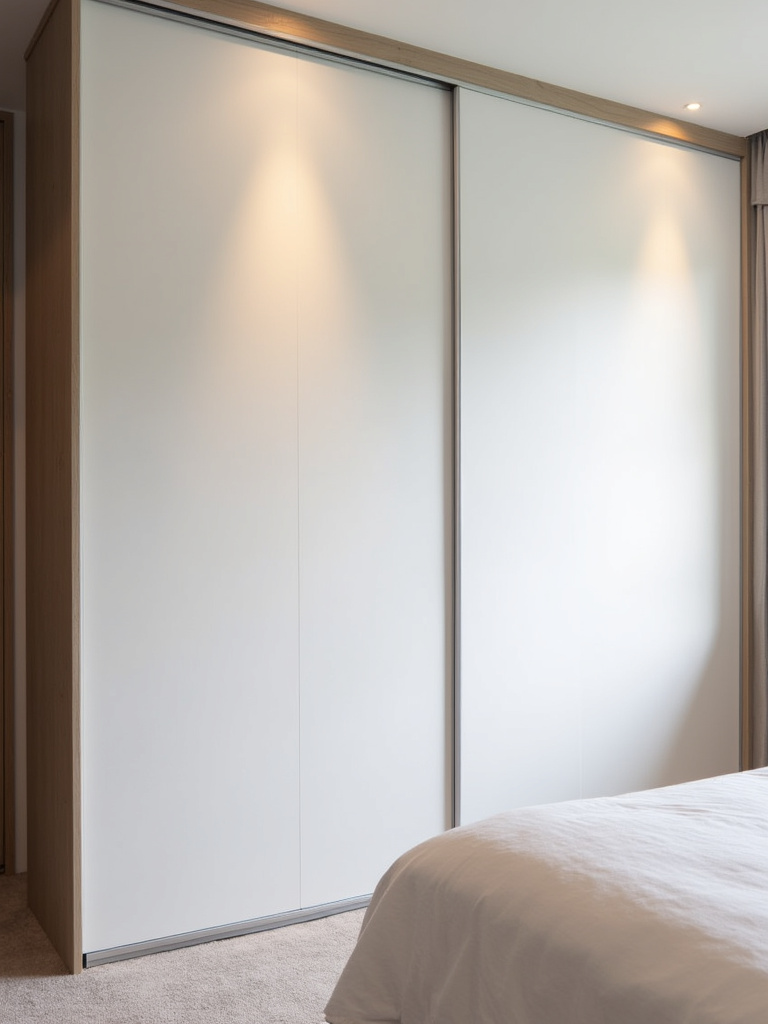
Consider these features for an integrated wardrobe:
- Mirrored doors to amplify light and spatial perception
- Built-in LED lighting for enhanced visibility
- Pull-out organizers for accessories
- Floor-to-ceiling designs to utilize vertical space
- Sliding doors to save room
Choose a wardrobe that feels like an inherent part of your bedroom, not an afterthought.
Now, let’s add a touch of elegance and utility with a well-chosen bedroom bench.
5. Bedroom Benches: Combining Style and Practicality
A thoughtfully placed bench can elevate your bedroom from merely functional to exquisitely curated. I often incorporate upholstered benches featuring vibrant Indian block prints or sleek contemporary designs, tailored to the room’s overall vibe.
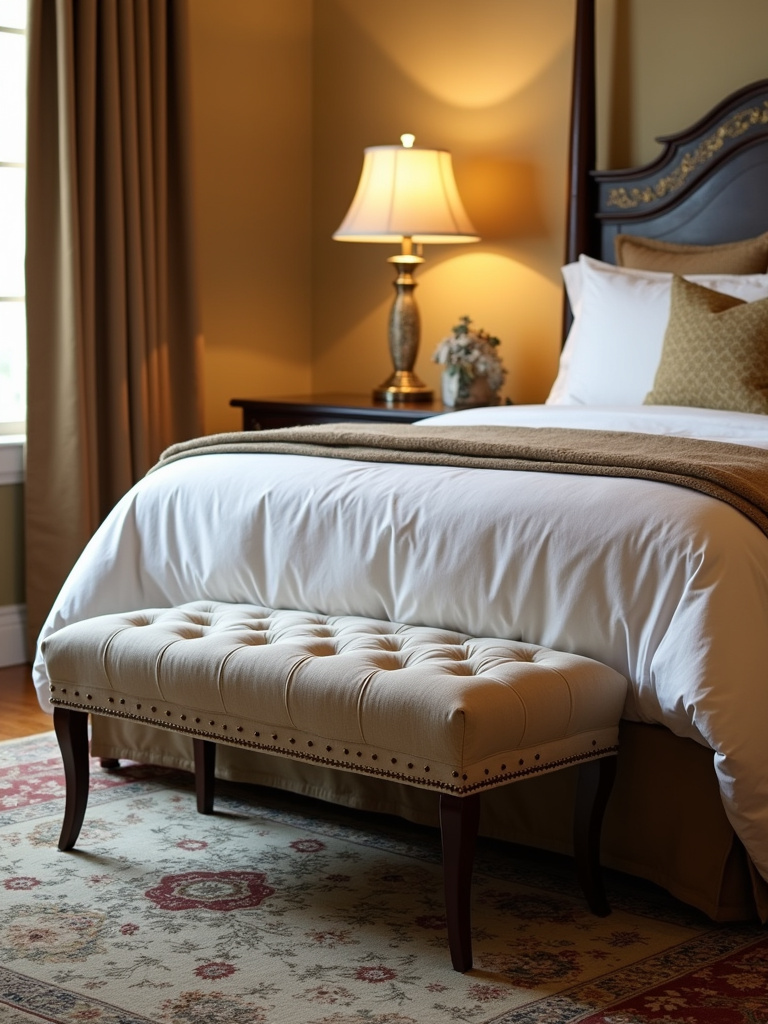
The ideal bench offers multiple advantages:
- Extra seating for dressing or relaxing
- Storage for blankets or seasonal items
- A visual anchor at the bed’s foot
- A convenient spot for placing clothes or bags
- Enhances overall room balance
When selecting a bench, weigh both its utility and aesthetic contribution.
Let’s now focus on maximizing small bedrooms without compromising on style or comfort.
6. Maximizing Small Bedrooms: Big Style in Compact Spaces
Limited square footage shouldn’t limit your design ambitions. Some of my most rewarding projects involve transforming small bedrooms into elegant retreats. The secret lies in vertical thinking and choosing multifunctional furniture.
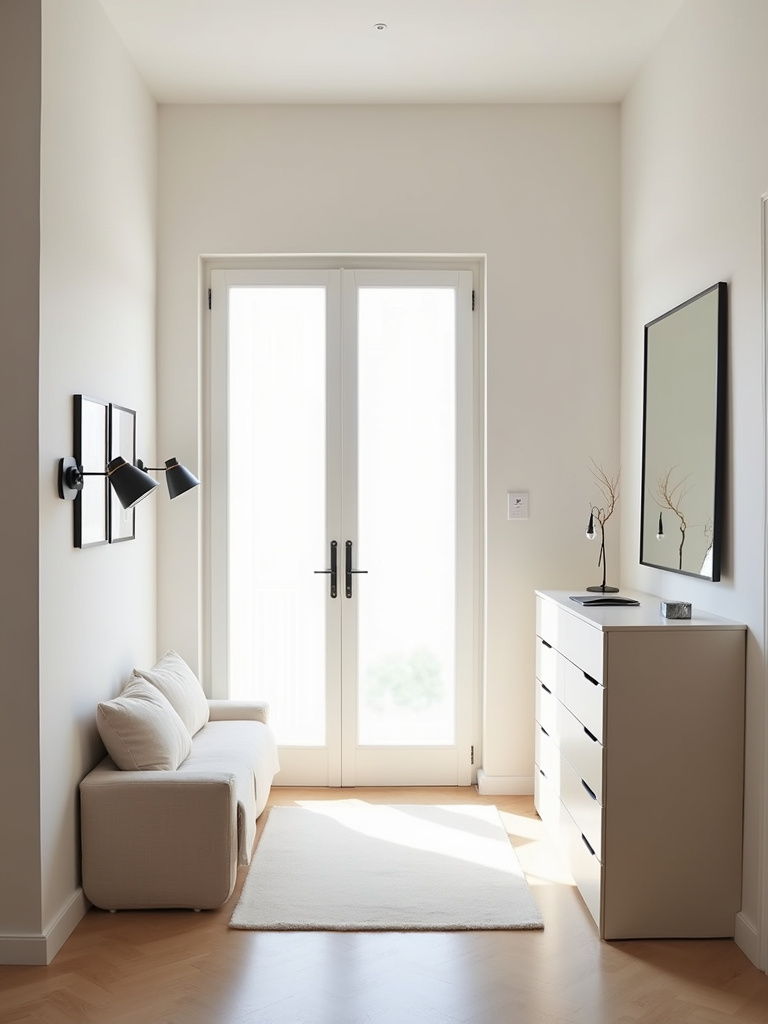
Key tactics for small bedrooms include:
- Wall-mounted lighting to free up surfaces
- Furniture with integrated storage compartments
- Mirrors to visually expand the space
- Light color schemes to enhance openness
- Utilizing vertical storage solutions
A well-designed small bedroom can feel more luxurious than a poorly planned large one.
Next, let’s transform neglected corners into charming, functional areas.
7. Transforming Bedroom Corners into Functional Features
Often overlooked, bedroom corners offer untapped potential. Inspired by the intricate corner designs in South Asian architecture, I help clients convert these spaces into functional focal points that enrich the room’s layout.
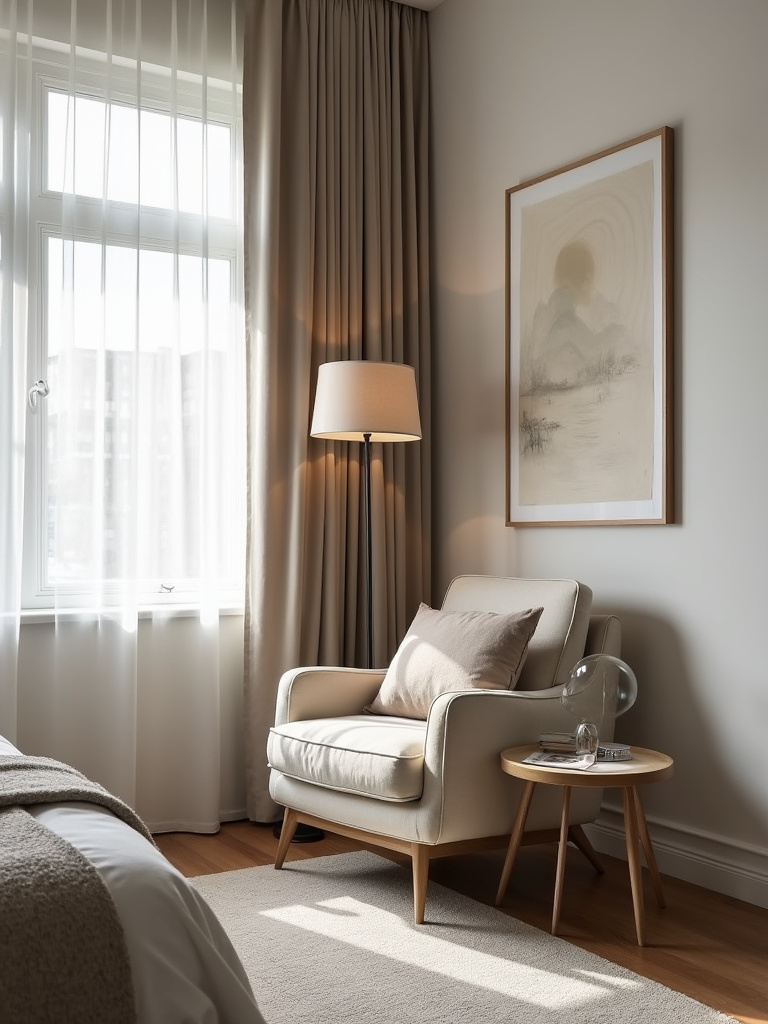
Creative corner ideas include:
- Cozy reading nooks with plush armchairs
- Corner shelving for books and décor
- Vanity stations with ample lighting
- Meditation zones with floor cushions
- Indoor plant corners with proper illumination
Make these corners feel intentional and integral to your design.
Let’s explore how vertical storage can revolutionize your bedroom’s organization.
8. Vertical Storage Innovations for Clutter-Free Bedrooms
When floor space is limited, walls become invaluable. Drawing from traditional South Asian storage concepts like the almari, reimagined with modern flair, I create elegant vertical storage solutions that enhance your bedroom’s layout.
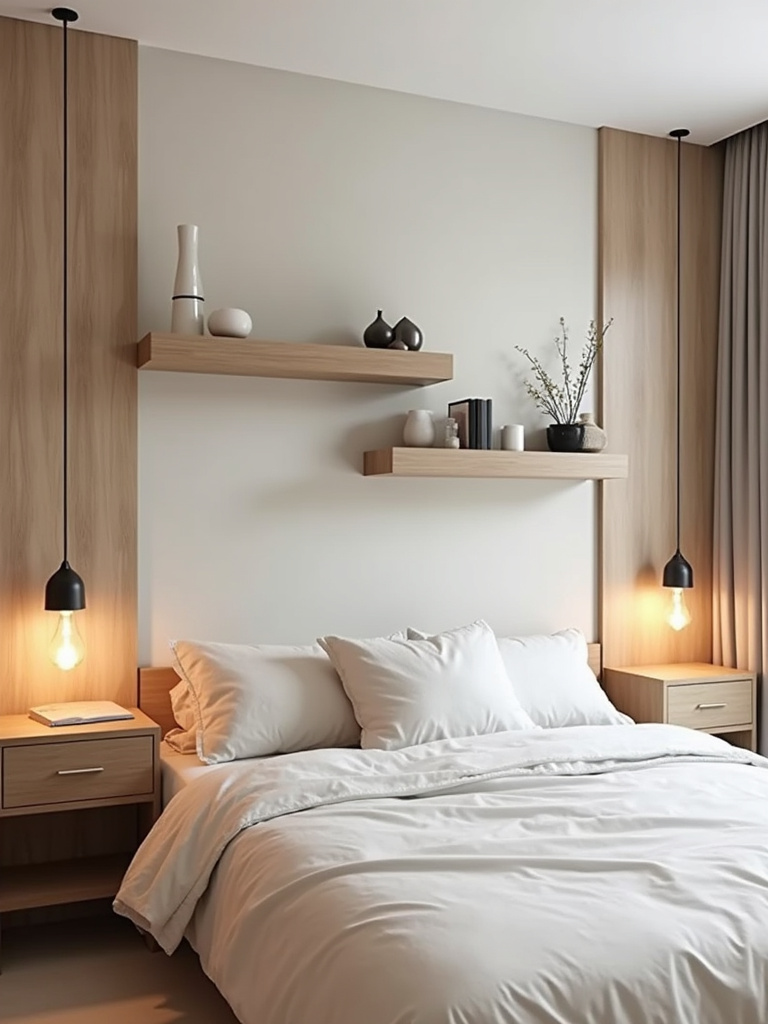
Maximize vertical space with:
- Floating shelves of varying lengths
- Wall-mounted cabinets with concealed storage
- Hanging organizers for accessories
- Built-in niches for display and storage
- Modular wall systems adaptable to your needs
Vertical storage keeps floors open while offering ample organization.
Next, discover how the right rug can unify your bedroom design.
9. Rug Placement Techniques to Anchor Your Bedroom
A carefully chosen rug does more than add warmth; it anchors your bedroom’s furniture arrangement and fosters visual cohesion. Like a mandala on the floor, a rug defines and unites the space with intention.
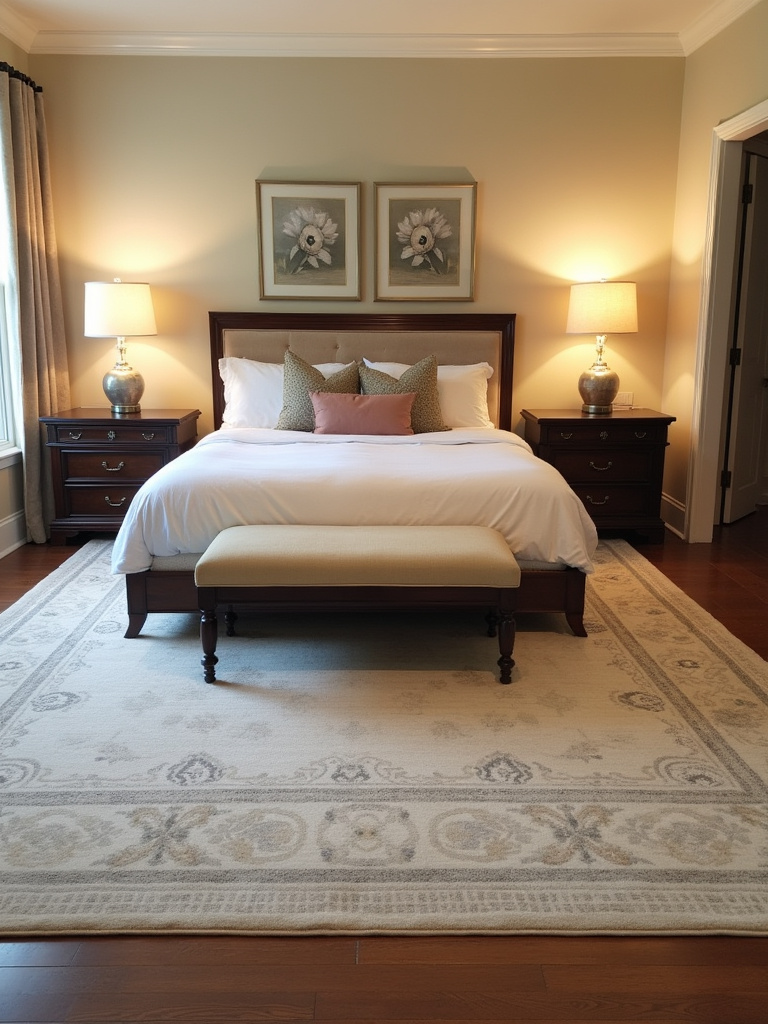
Keep these rug placement tips in mind:
- Extend the rug at least 60cm beyond the bed’s edges
- Select a size that unifies your furniture grouping
- Layer rugs for texture and depth
- Align patterns with the room’s focal points
- Consider traffic flow when positioning
The right rug transforms your bedroom into a cohesive retreat.
Now, let’s explore how mirrors can expand your space and enhance light.
10. Mirror Placement Strategies to Enhance Space and Light
Mirrors act as portals to expanded dimensions within your bedroom layout. In South Asian design traditions, mirrors are not only functional but also tools to amplify space and direct energy. Thoughtful mirror placement can turn even a modest room into a bright, airy haven.
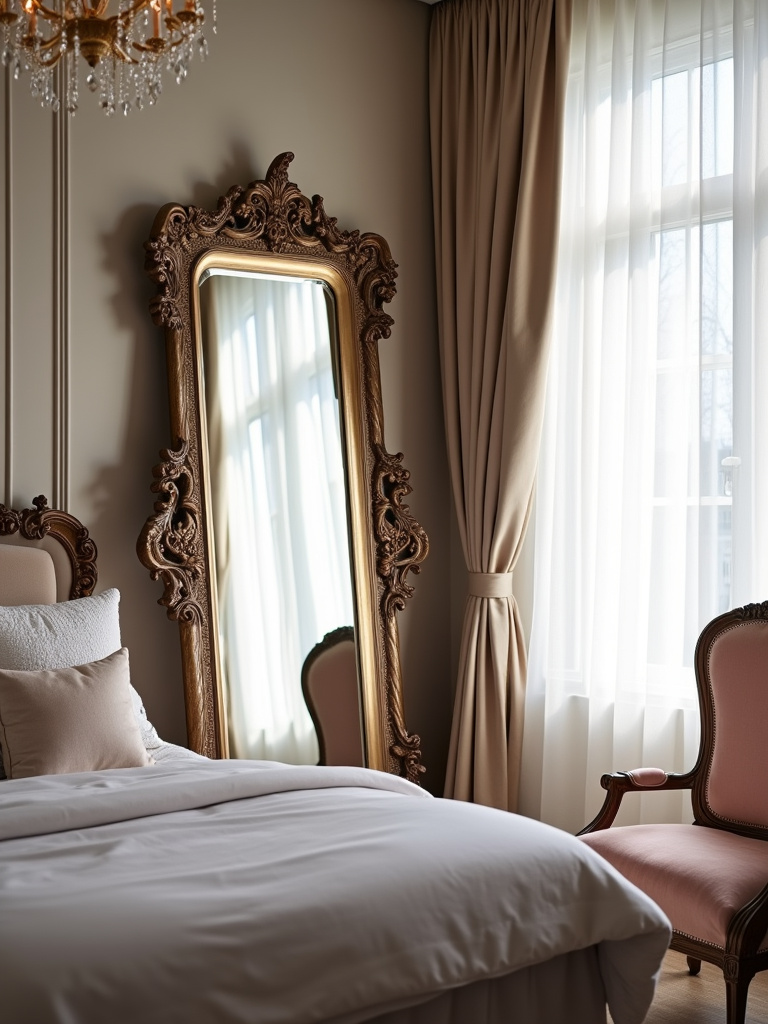
Enhance your space with these mirror placement ideas:
- Place mirrors opposite windows to reflect natural light
- Use full-length mirrors to add depth
- Install mirrored closet doors for elegance and function
- Create gallery walls with decorative mirrors
- Be mindful of reflected views to avoid clutter
Balance is key to avoiding visual overload.
Next, let’s discuss how layered lighting can elevate your bedroom ambiance.
11. Layered Lighting Techniques for a Versatile Bedroom
Lighting should adapt to the diverse activities your bedroom hosts. Inspired by the interplay of light in traditional South Asian courtyards, I design lighting schemes that transition smoothly from energizing mornings to relaxing evenings.
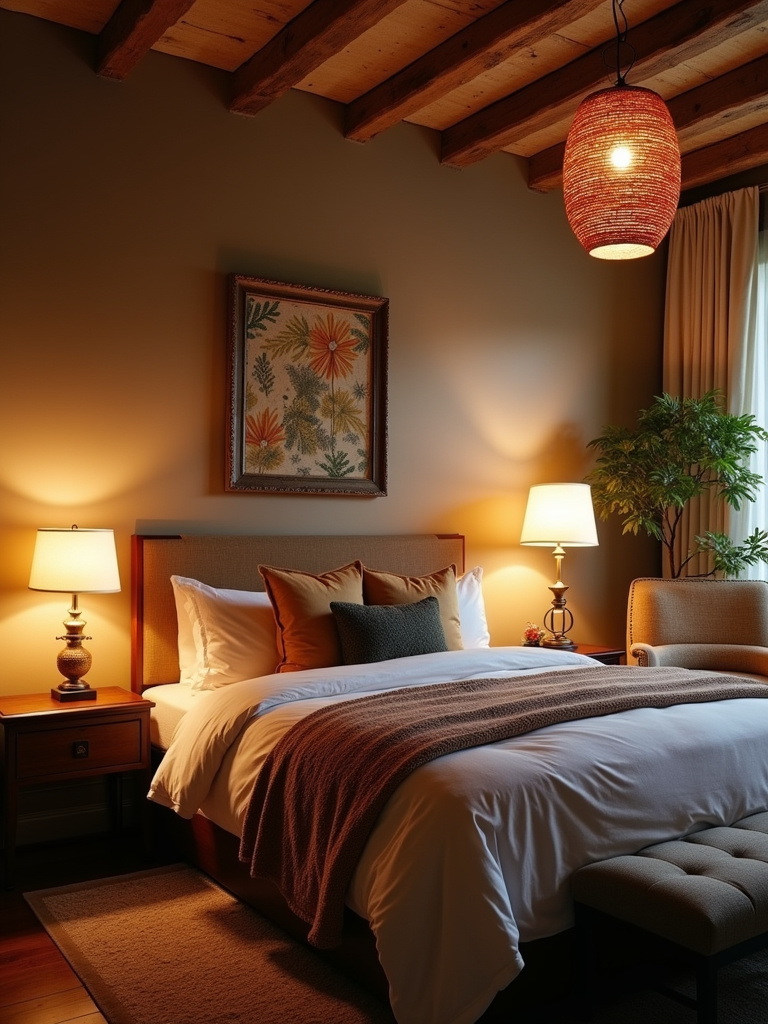
Incorporate these lighting layers:
- Ambient lighting for overall brightness
- Task lighting for reading and dressing
- Accent lighting to set mood
- Decorative fixtures for style
- Maximize natural light during the day
A flexible lighting plan enhances both function and atmosphere.
Let’s explore how decluttering can foster tranquility in your bedroom.
12. Decluttering for a Peaceful Bedroom Environment
Both modern design and traditional South Asian philosophies emphasize the importance of clutter-free spaces for mental clarity and restful sleep. A successful bedroom layout begins with thoughtful editing-removing items that do not serve your space physically or energetically.
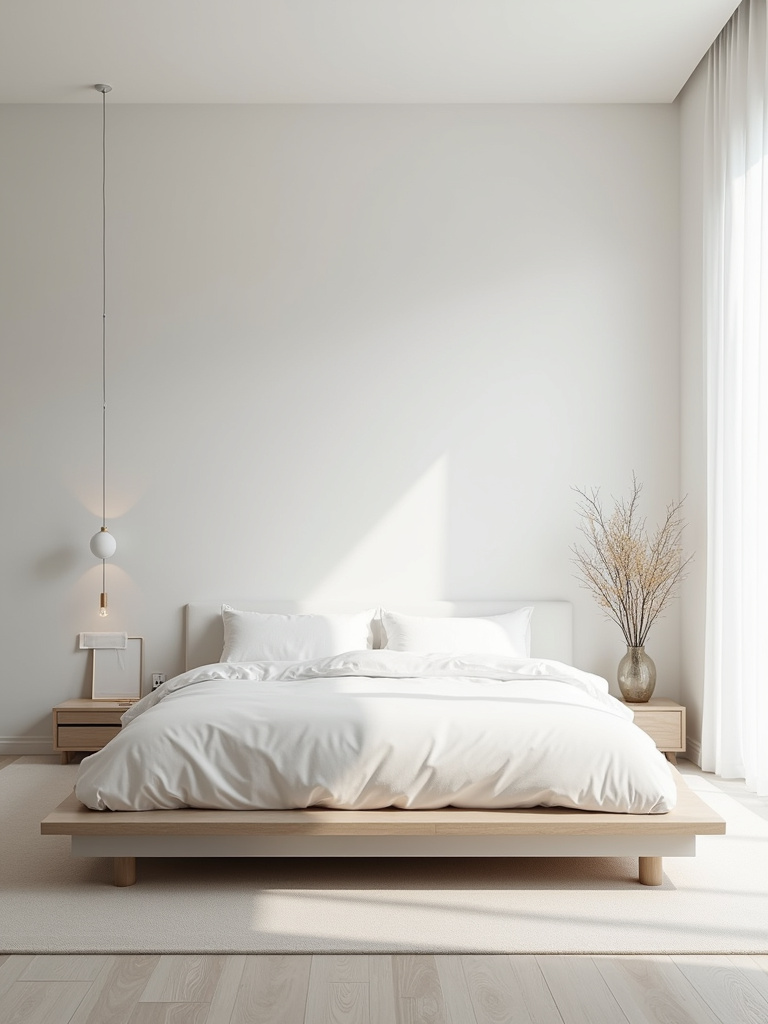
Adopt these decluttering habits:
- Keep surfaces clear and minimal
- Opt for furniture with concealed storage
- Maintain organized closets
- Designate specific spots for daily essentials
- Regularly reassess and edit belongings
With less clutter, each piece in your room can truly shine.
Next, let’s examine how proper scaling creates balance in your bedroom.
13. Scaling for Balance: Achieving Perfect Proportions
Just as classical Indian architecture relies on precise measurements, a harmonious bedroom layout depends on furniture scaled appropriately to the room. Each item should relate proportionally to others, avoiding overcrowding or emptiness.
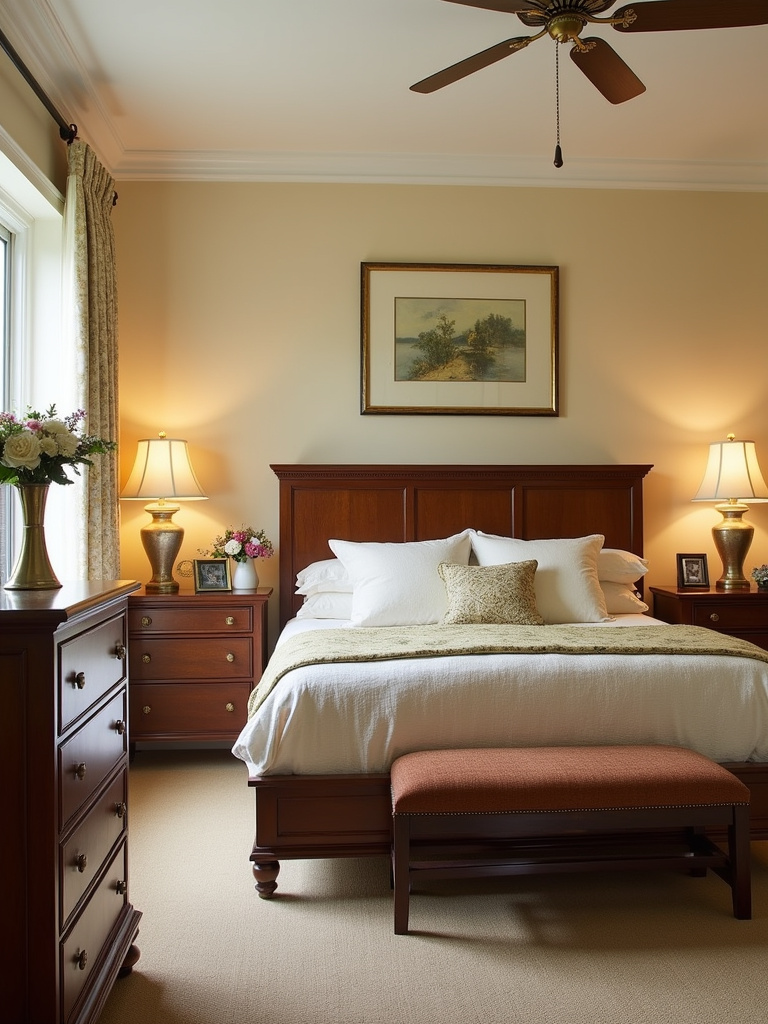
Keep these scaling principles in mind:
- Match furniture size to room dimensions
- Consider ceiling height when selecting pieces
- Allow sufficient negative space
- Balance visual weight throughout the room
- Scale artwork and accessories accordingly
Proper scaling fosters a calm, orderly environment.
Let’s now focus on creating smooth traffic flow within your bedroom.
14. Optimizing Traffic Flow for Effortless Movement
Your bedroom’s layout should facilitate natural, unimpeded movement. Inspired by the fluidity of classical Indian dance, I design spaces where pathways flow seamlessly, supporting your daily routines.
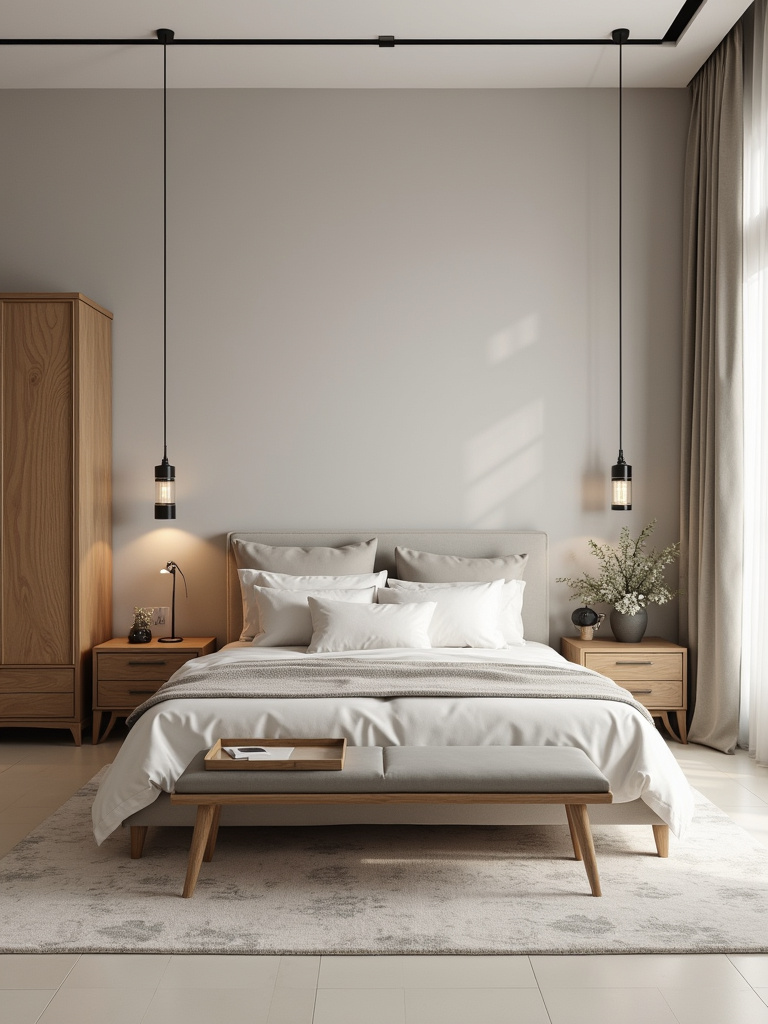
Enhance flow with these tips:
- Maintain at least 90cm clearance for main pathways
- Ensure clear access to key areas
- Arrange furniture to support natural movement
- Account for door swing space
- Provide comfortable access to the bed
When flow is optimized, daily activities feel effortless and graceful.
Next, let’s discuss how to create a captivating focal point in your bedroom.
15. Designing a Captivating Focal Point
Every compelling design tells a story, and your bedroom’s focal point is the narrative’s starting place. Whether it’s a bold headboard inspired by traditional jali patterns or a striking contemporary artwork, your focal point anchors the room and sets its tone.
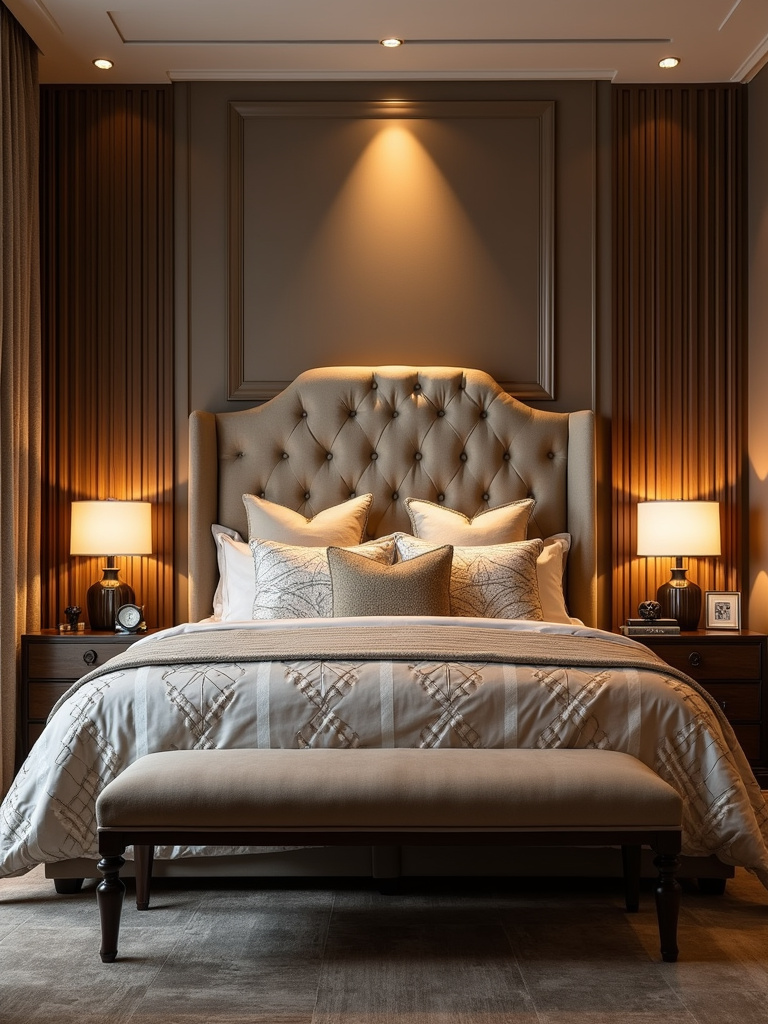
Consider these focal point options:
- Statement headboards
- Luxurious window treatments
- Artistic wall installations
- Architectural details
- Elegant lighting fixtures
Your focal point should draw attention while harmonizing with the overall design.
Let’s explore how zoning can make your bedroom multifunctional.
16. Multifunctional Zoning: Creating Distinct Areas
Modern bedrooms often serve multiple roles while remaining restful retreats. Inspired by the versatile rooms in traditional South Asian homes, zoning your bedroom furniture layout allows for various activities within one space.
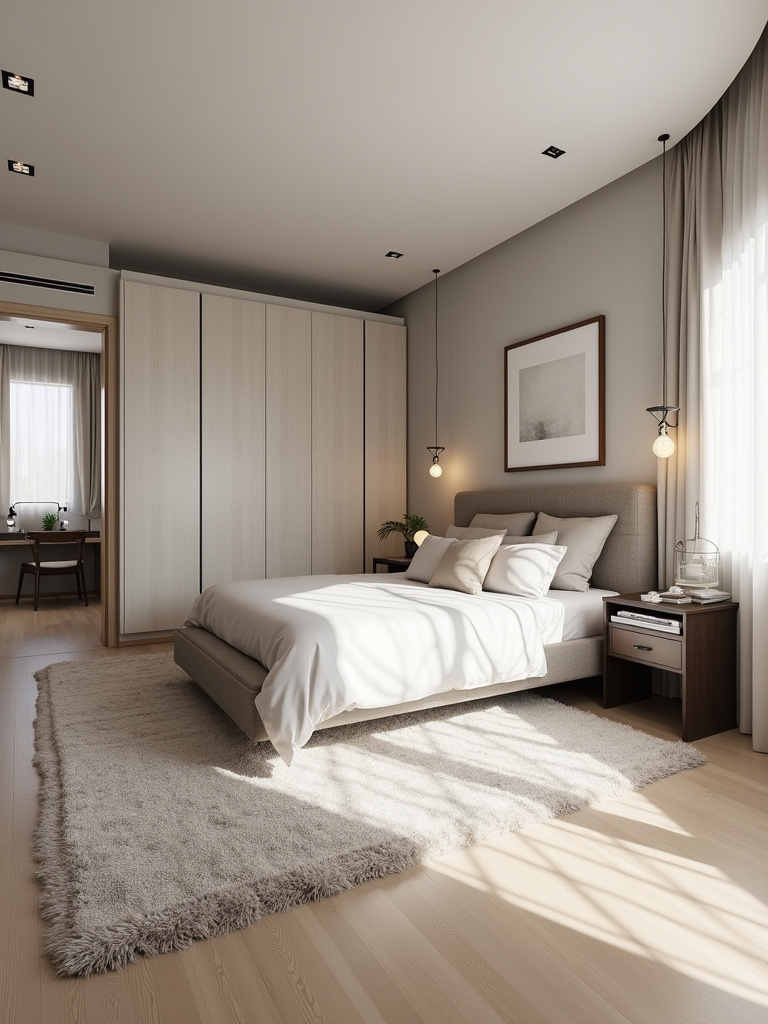
Use these zoning techniques:
- Define areas with rugs
- Incorporate subtle room dividers
- Arrange furniture to create boundaries
- Vary lighting for different zones
- Maintain visual flow between zones
Distinct zones should blend naturally for a cohesive feel.
Next, let’s embrace minimalist serenity in your bedroom design.
17. Minimalist Bedroom Serenity: Intentional Simplicity
Minimalism is not emptiness but purposeful design. I merge contemporary minimalist aesthetics with the tranquil simplicity of traditional South Asian interiors to craft bedroom layouts that feel peaceful and intentional.
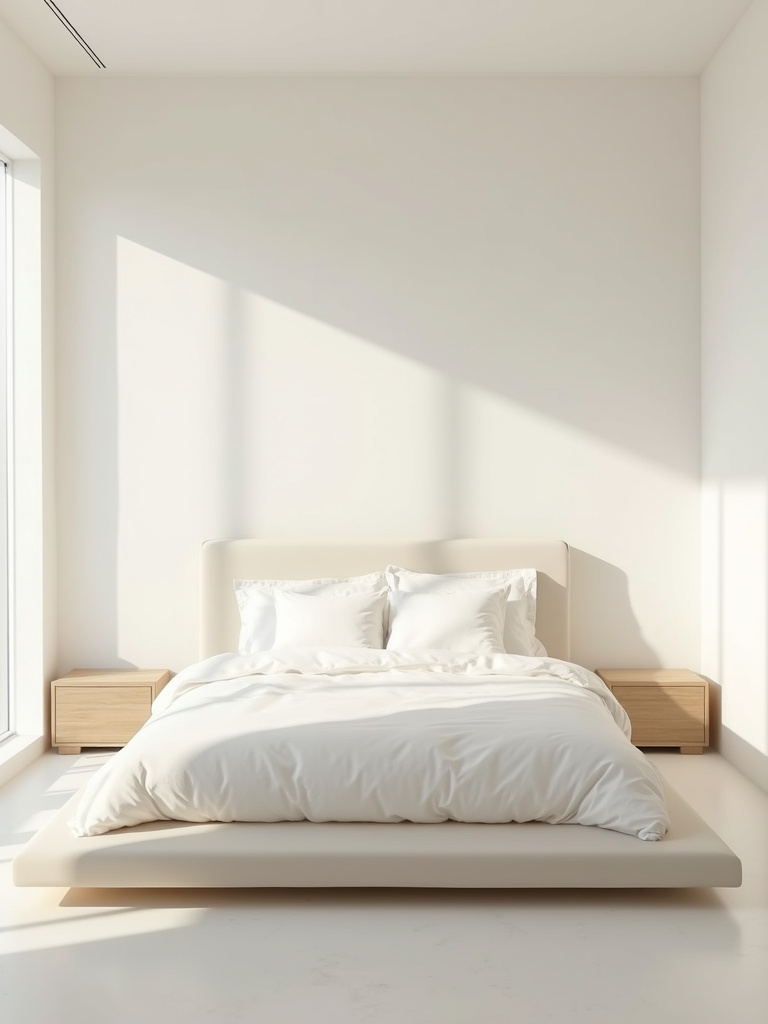
Key minimalist elements include:
- Low-profile platform beds
- Furniture with clean lines
- Concealed storage solutions
- Neutral color schemes
- Carefully selected accessories
Minimalism creates calm through thoughtful reduction.
Now, let’s add warmth and comfort without sacrificing elegance.
18. Cozy Bedroom Comfort: Balancing Warmth and Style
While minimalism offers tranquility, many desire the warmth reminiscent of traditional South Asian homes. Your bedroom layout should blend style with comfort, crafting a space that feels like a welcoming embrace after a long day.
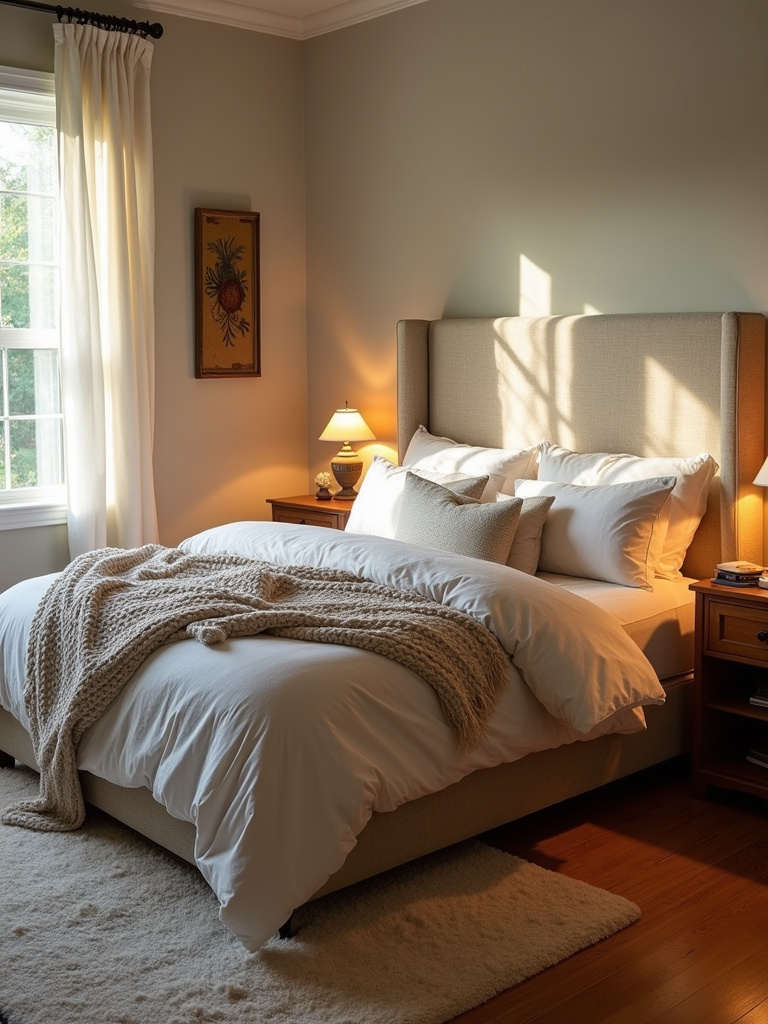
Layer these elements for comfort:
- Soft textures in bedding and rugs
- Warm, ambient lighting
- Comfortable seating areas
- Natural materials and finishes
- Personalized accessories
Comfort and sophistication can coexist beautifully.
Ready to infuse your bedroom with subtle luxury?
19. Luxury in the Details: Elevating Your Bedroom
Luxury is about elevating every detail thoughtfully. Inspired by the grandeur of Rajasthan’s palaces, I help clients create bedrooms that feel lavish yet refined.
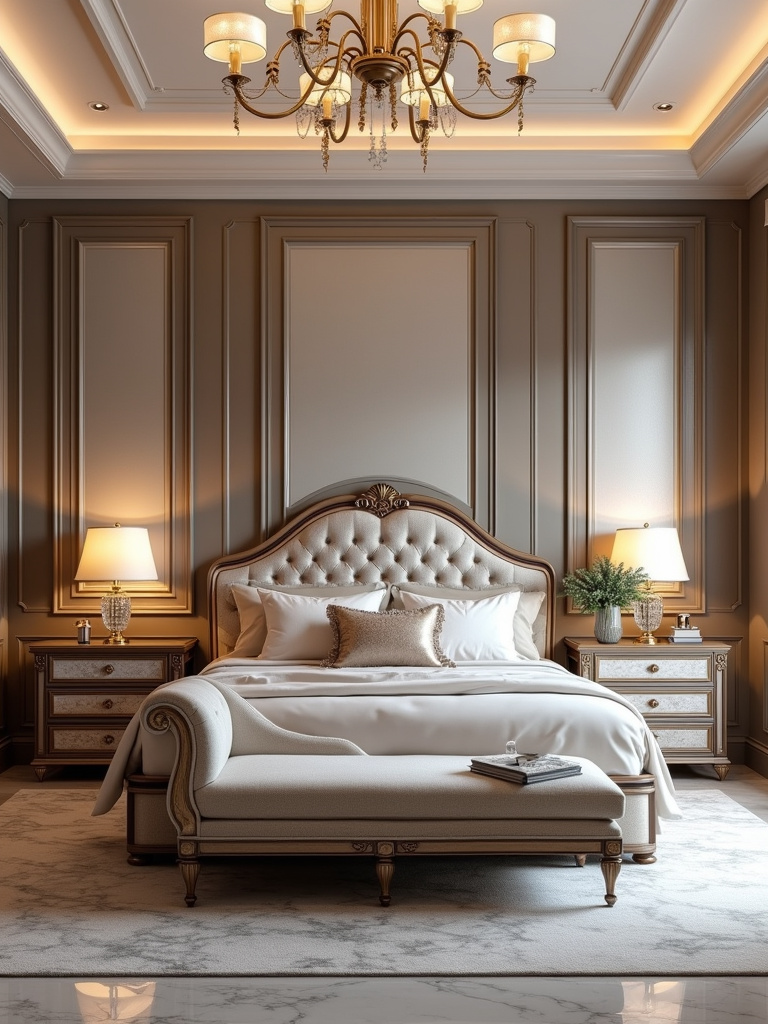
Incorporate luxury through:
- Premium materials and finishes
- Custom upholstered furniture
- Elegant lighting fixtures
- Refined architectural accents
- Curated art and décor
Strive for understated opulence that feels inviting.
Next, let’s explore the magic of modern design.
20. Modern Bedroom Design: Timeless Sophistication
Modern bedroom layouts go beyond sleek lines; they create spaces that are both contemporary and enduring. I often blend modern design with subtle cultural motifs to craft unique, personalized bedrooms.
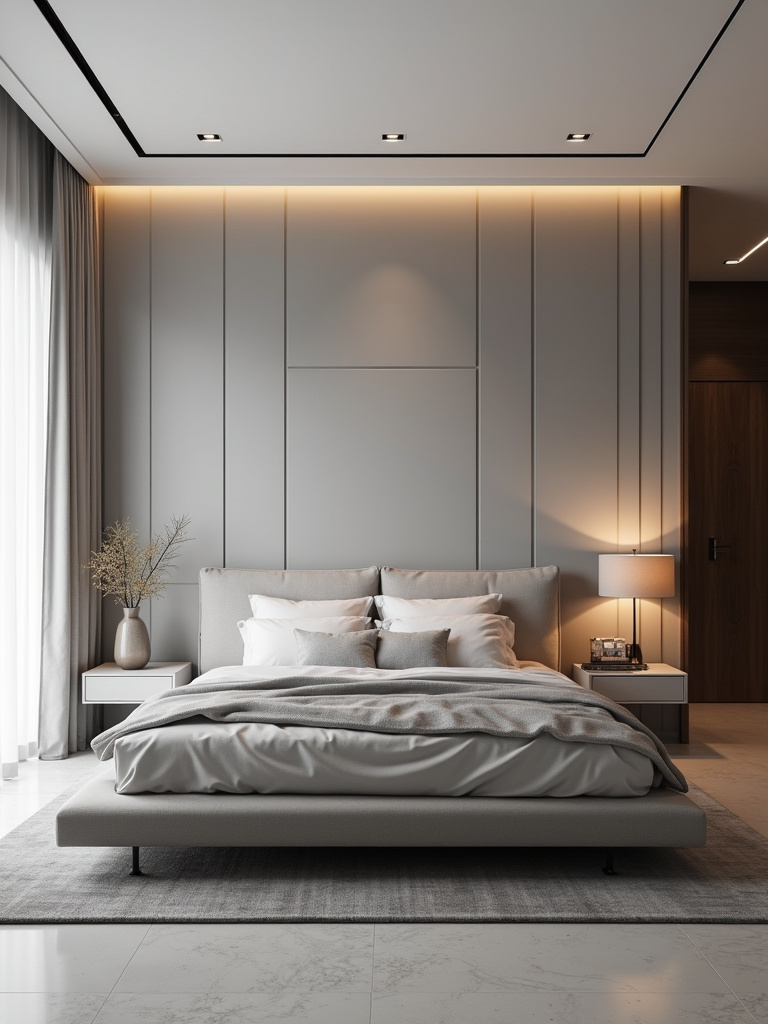
Key modern design features include:
- Streamlined furniture silhouettes
- Geometric patterns and shapes
- Mixed materials
- Strategic use of negative space
- Integrated technology
Modern design should feel fresh yet welcoming.
Let’s see how natural light can transform your bedroom ambiance.
21. Maximizing Natural Light to Energize Your Bedroom
Light breathes life into any room and should be treated as a vital design element. Inspired by the dynamic light play in South Asian courtyards, I emphasize maximizing natural light to create vibrant, ever-changing spaces.

Enhance natural light with:
- Thoughtful furniture placement
- Reflective surfaces
- Layered window treatments
- Glass or translucent décor elements
- Minimized window obstructions
Natural light invigorates and uplifts your space.
Next, let’s discuss maintaining spaciousness and balance.
22. Maintaining Space and Balance for a Relaxing Bedroom
Negative space is as crucial as furniture in bedroom design. Like the meticulous layout of a Mughal garden, each element should have breathing room while maintaining harmony with its surroundings.
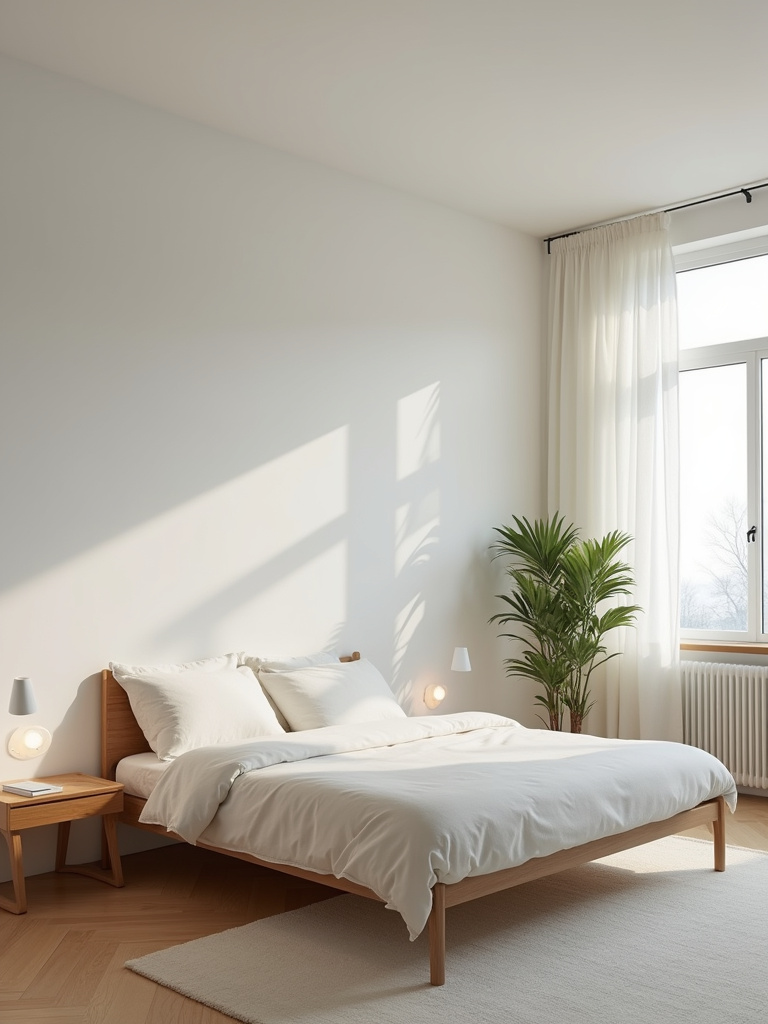
Achieve balance through:
- Selective furniture choices
- Proportional arrangements
- Thoughtful traffic flow
- Even distribution of visual weight
- Intentional focal points
Sometimes, less truly is more.
Finally, let’s cover practical considerations for everyday use.
23. Practical Bedroom Layout Tips for Daily Ease
The ultimate test of any bedroom layout is its functionality in daily life. Inspired by the thoughtful design of traditional South Asian homes, every element should facilitate smooth, intuitive movement.
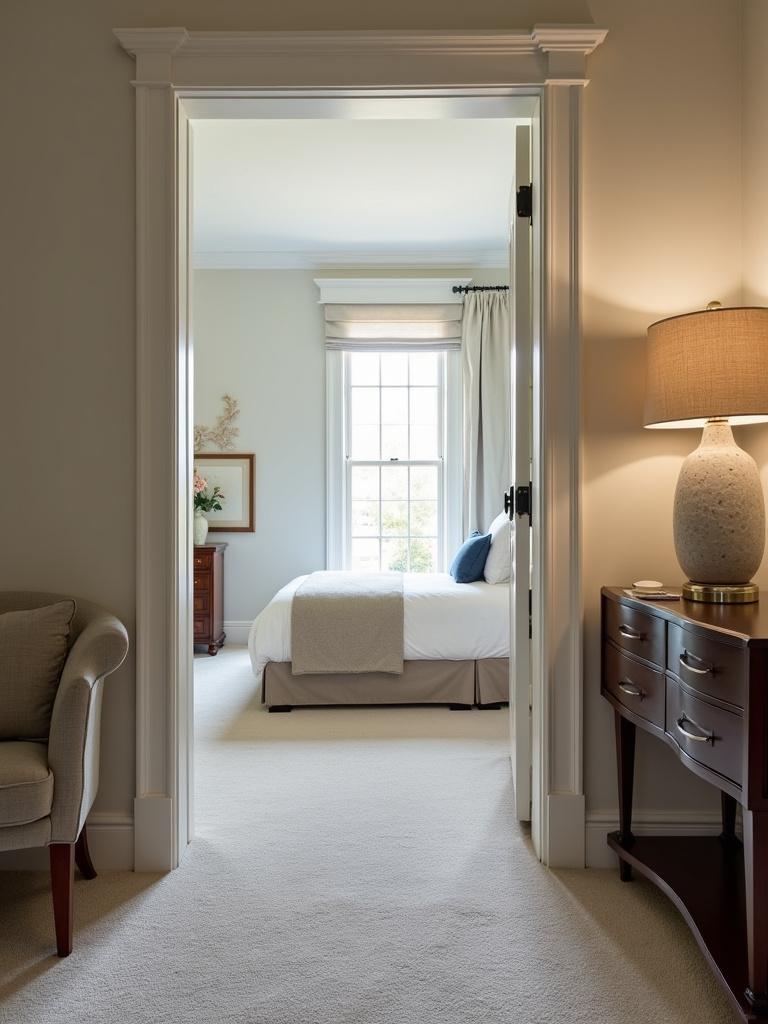
Keep these practical tips in mind:
- Allow clearance for door swings
- Ensure easy access to drawers and cabinets
- Maintain adequate pathway widths
- Keep storage accessible
- Plan for emergency exits
Your bedroom should work with you, not against you.
Conclusion: Designing Your Ideal Bedroom Sanctuary
Your bedroom is more than furniture-it’s a personal refuge reflecting your style and supporting your lifestyle. By thoughtfully arranging furniture, prioritizing flow, and balancing aesthetics with practicality, you can create a space that truly feels like home.
Remember these guiding principles:
- Begin with a clear, detailed plan
- Focus on function and natural flow
- Incorporate personal touches
- Maintain balance and proportion
- Allow your space to evolve over time
Whether you live in a compact city apartment or a spacious master suite, these strategies will help you craft a bedroom that is both beautiful and functional. The perfect layout welcomes you with peace and comfort the moment you enter.
Ready to start your bedroom transformation? Begin with the area that inspires you most and let your space grow organically. After all, the best designs evolve with us, adapting to our needs while preserving their core beauty and utility.