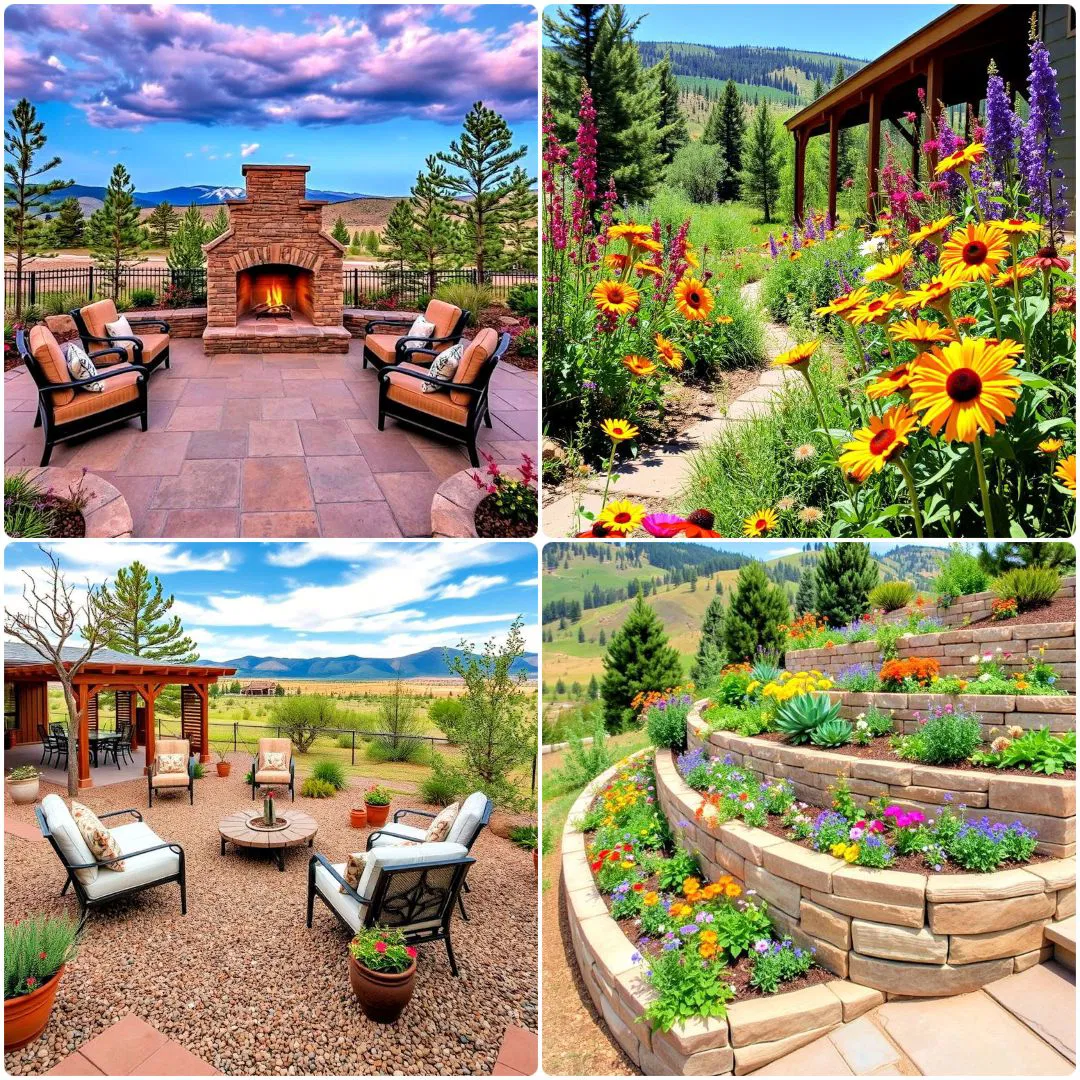
Colorado’s striking terrain, characterized by towering peaks, expansive dry plains, and flourishing wildflower fields, provides a rich canvas for designing outdoor environments that are both stunning and practical. By thoughtfully addressing the state’s distinctive climate and topography, homeowners can develop landscapes that harmonize with the natural surroundings. These 25 innovative Colorado landscaping ideas emphasize sustainable, low-maintenance solutions that celebrate the region’s inherent beauty while enhancing the functionality and charm of any property. From water-wise xeriscaping to vibrant native wildflower gardens, these concepts will guide you in cultivating a resilient and attractive yard tailored to Colorado’s environment.
1. Embracing Water-Wise Xeriscaping with Indigenous Flora
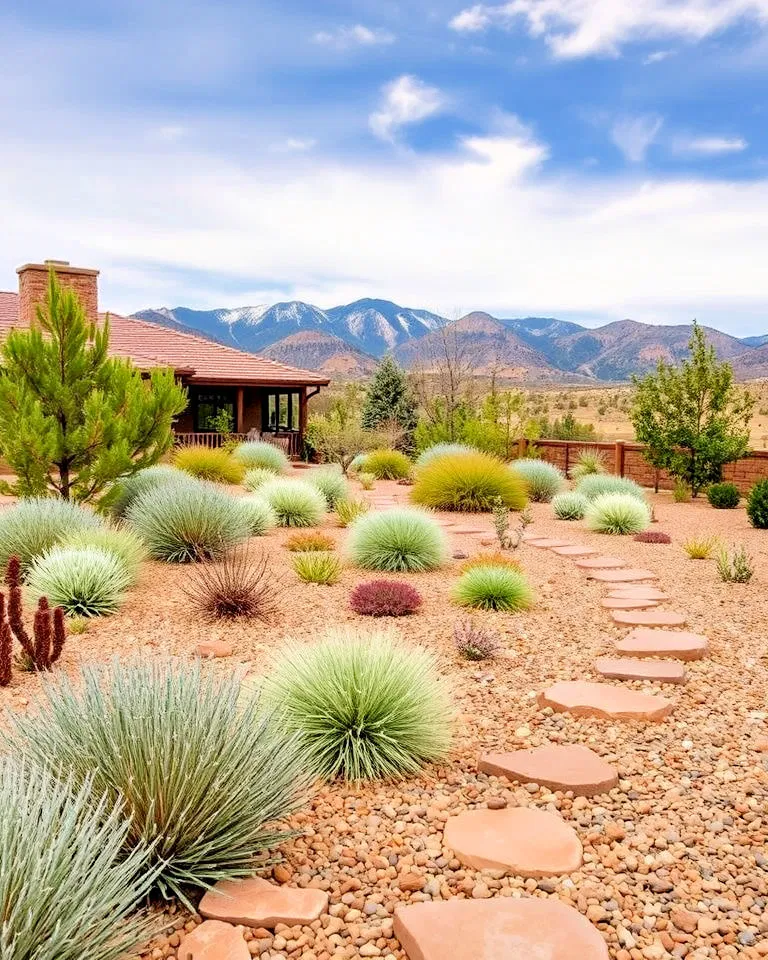
Given Colorado’s semi-arid climate, xeriscaping stands out as an eco-conscious and visually appealing landscaping approach. Incorporate drought-tolerant species such as sagebrush, yucca, and blue fescue to significantly cut down on irrigation needs without compromising on aesthetics. Complement these plants with textural elements like gravel, river stones, or decomposed granite to add depth and contrast. This sustainable landscaping technique thrives naturally in Colorado’s environment, offering year-round interest with minimal upkeep.
2. Multi-Level Garden Terraces for Sloped Properties
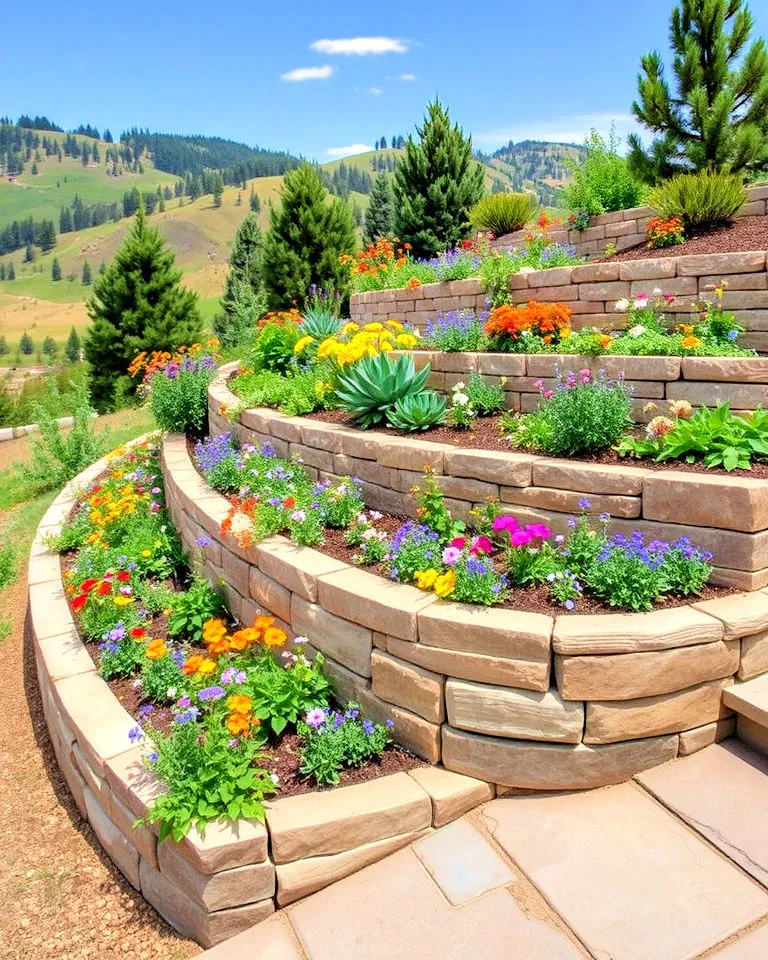
Colorado’s rolling hills provide an excellent opportunity to incorporate tiered garden beds, which add both visual interest and practical benefits. Constructed from natural stone or reclaimed timber, these terraces help control erosion while creating dedicated spaces for cultivating flowers, vegetables, or native plants. Layering vibrant wildflowers with lush greenery produces a cascading effect that complements the natural slope, delivering a refined and functional landscape design.
3. Natural Stone Flagstone Pathways
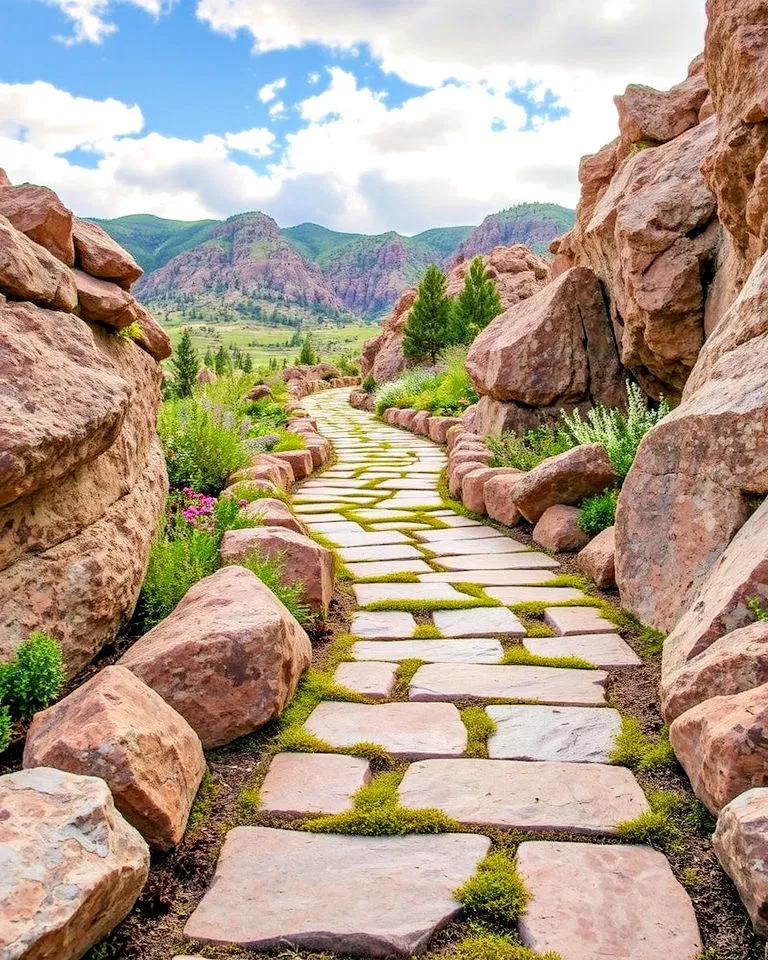
Flagstone walkways, crafted from durable materials like sandstone or slate, offer a charming and practical way to navigate rugged landscapes. Integrate ground covers such as creeping thyme or moss between the stones to soften the hardscape and enhance the natural feel. These pathways are perfect for linking garden areas or leading to patios, blending utility with rustic elegance.
4. Mountain-Inspired Alpine Rock Gardens
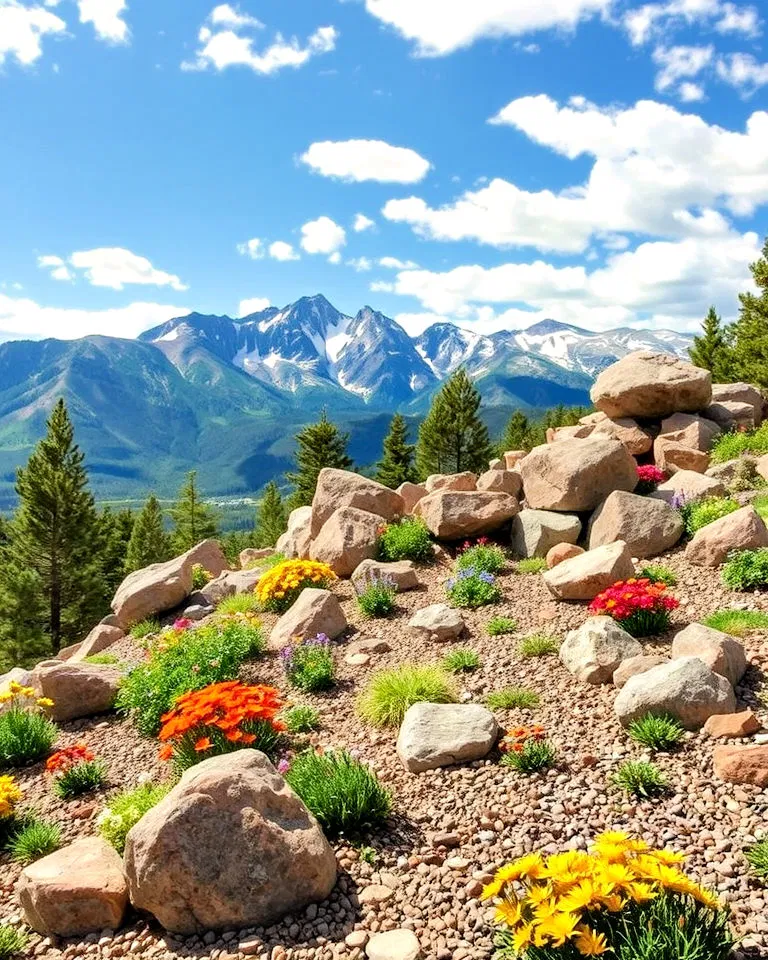
Celebrate Colorado’s alpine heritage by designing rock gardens that replicate high-elevation ecosystems. Utilize a mix of boulders, gravel, and resilient alpine plants like columbines and sedums to create a balanced and textured landscape. Arranging rocks of various sizes adds depth, while seasonal blooms inject bursts of color. This low-maintenance garden style thrives in Colorado’s climate and complements its rugged mountain scenery.
5. Cozy Fire Pit Areas Enhanced with Natural Elements
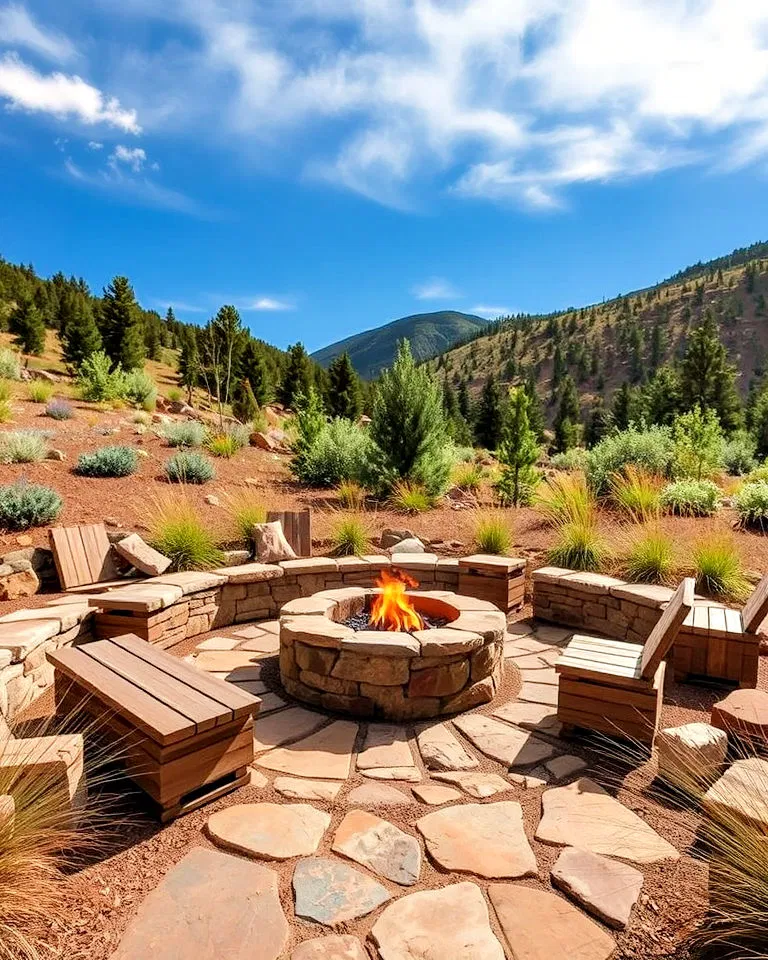
Under Colorado’s expansive skies, a fire pit encircled by natural stone creates a warm and inviting gathering spot. Construct the pit using boulders or stacked stones that blend seamlessly with the environment, and furnish the area with wooden or metal seating for comfort. Surround the space with native grasses or low-growing shrubs to add texture and enhance the cozy atmosphere, perfect for crisp mountain evenings.
6. Native Wildflower Meadows to Boost Biodiversity
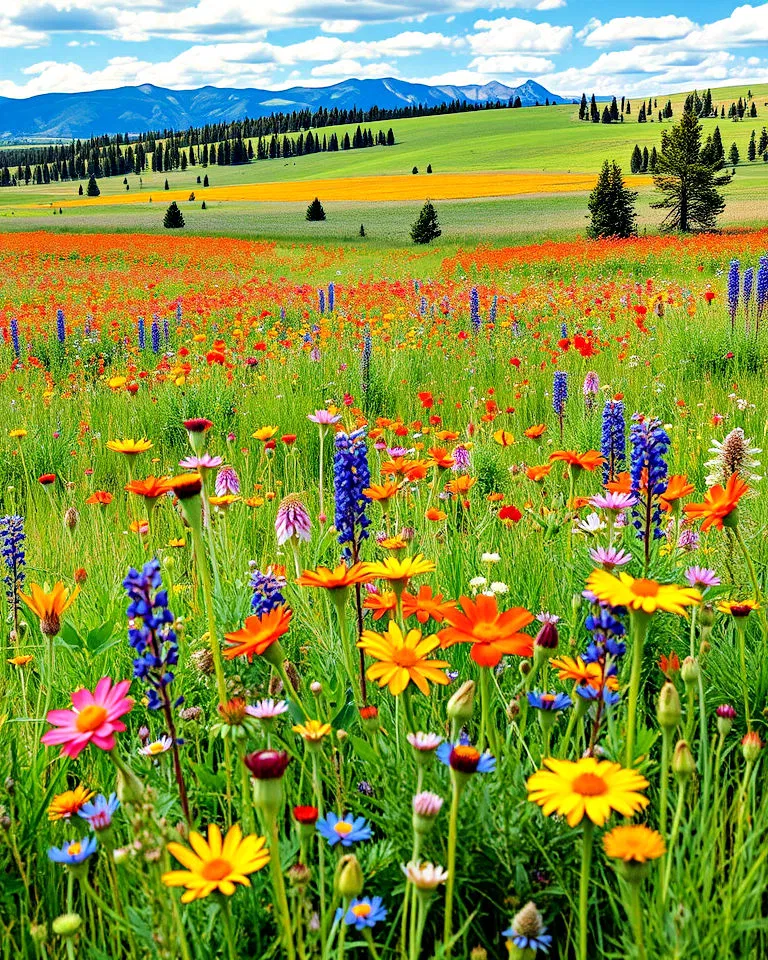
Transform open spaces into colorful wildflower meadows featuring native species such as blue columbines, sunflowers, and Indian paintbrush. These meadows attract essential pollinators like bees and butterflies, enriching local ecosystems while providing a dynamic, low-maintenance display of seasonal hues. Ideal for expansive properties, wildflower meadows blend effortlessly with Colorado’s natural landscape.
7. Durable Retaining Walls Using Local Stone
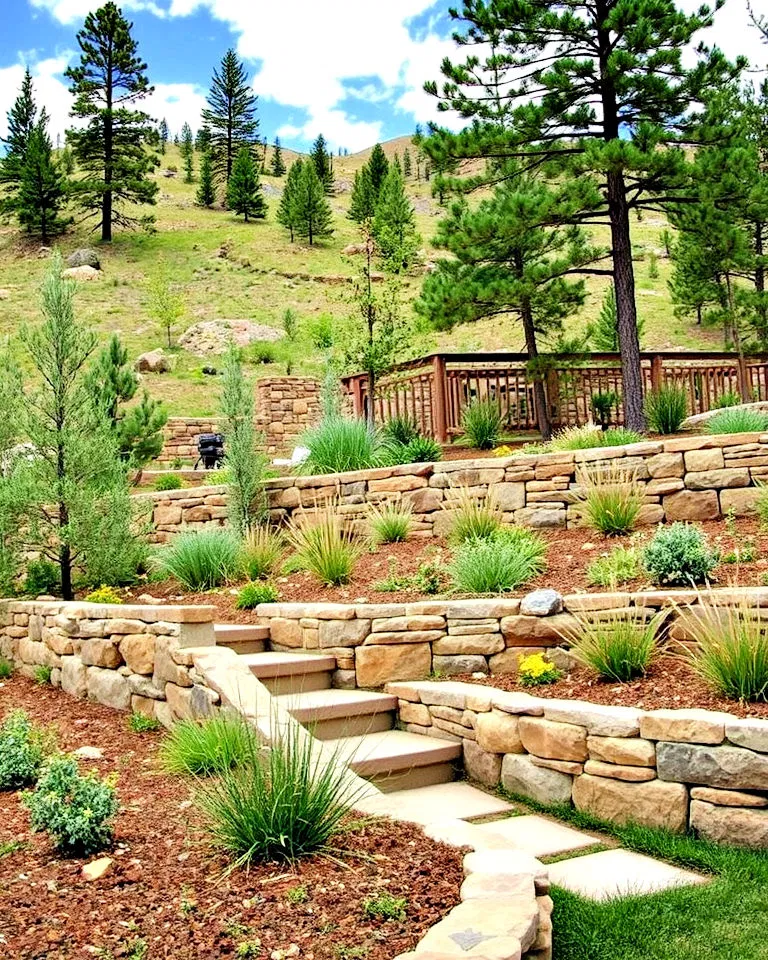
On sloped terrains, retaining walls built from native stone provide essential erosion control while adding architectural interest. Plant drought-tolerant species like junipers or ornamental grasses along the walls to soften their appearance and integrate them into the landscape. This timeless design offers both strength and aesthetic appeal, perfectly suited to Colorado’s rugged environment.
8. Aspen Groves for Stunning Seasonal Color
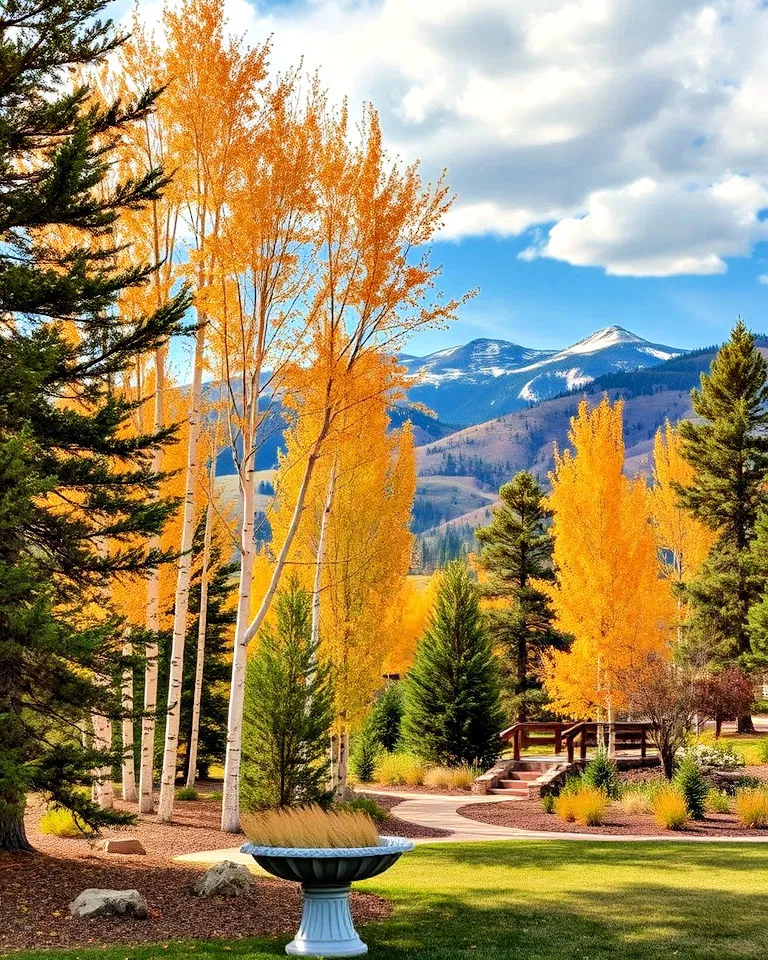
Planting clusters of aspen trees adds a signature Colorado touch, especially with their brilliant autumn foliage. These trees flourish in high-altitude conditions and create a natural forest ambiance that provides shade and enhances the mountain aesthetic of your property.
9. Rustic Gravel Driveways with Defined Edging
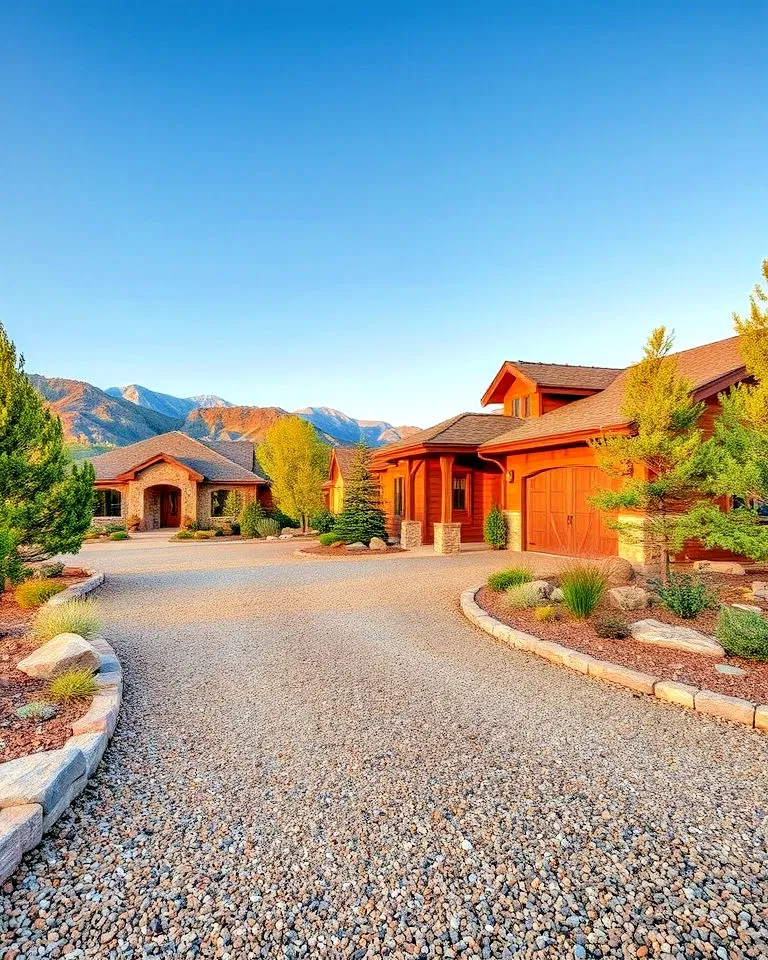
Gravel driveways, using materials like pea gravel or crushed granite, offer a durable and rustic solution for Colorado homes, especially ranches or cabins. Edging the driveway with native plants or stone borders enhances the look while providing practical benefits against weathering and erosion.
10. Serene Water Features Accented with Boulders
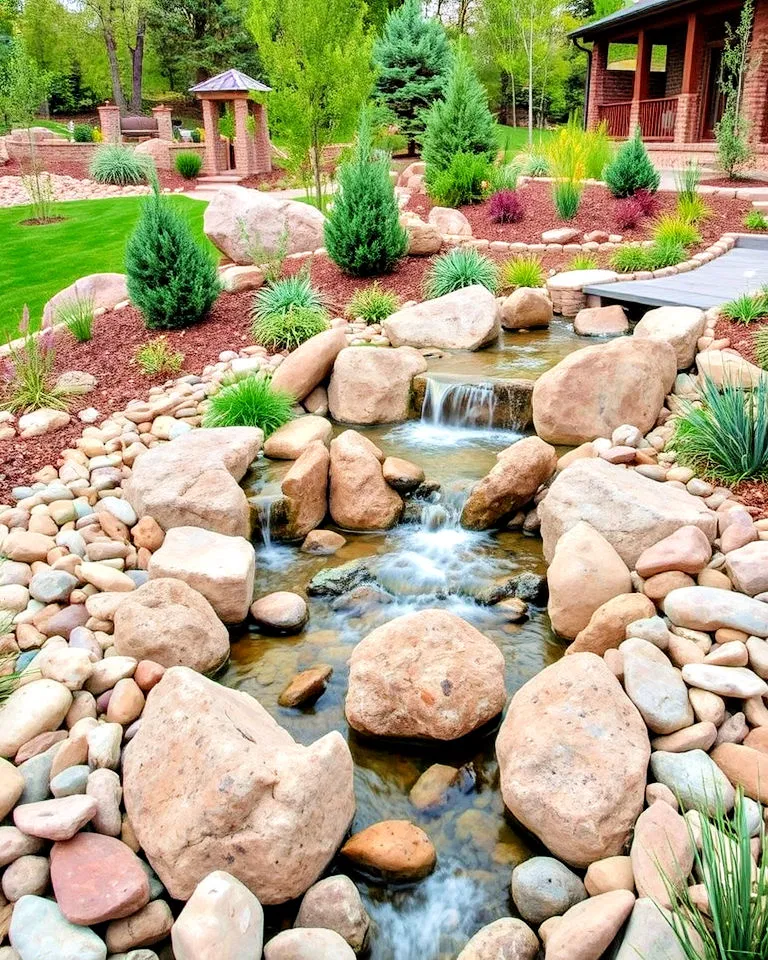
Incorporate tranquil water elements such as small streams or cascading fountains enhanced with boulders to evoke Colorado’s natural waterways. Surround these features with river rocks and native plants to create a cohesive and calming outdoor retreat that attracts local wildlife and enriches the sensory experience.
11. Shaded Outdoor Living Areas with Pergolas
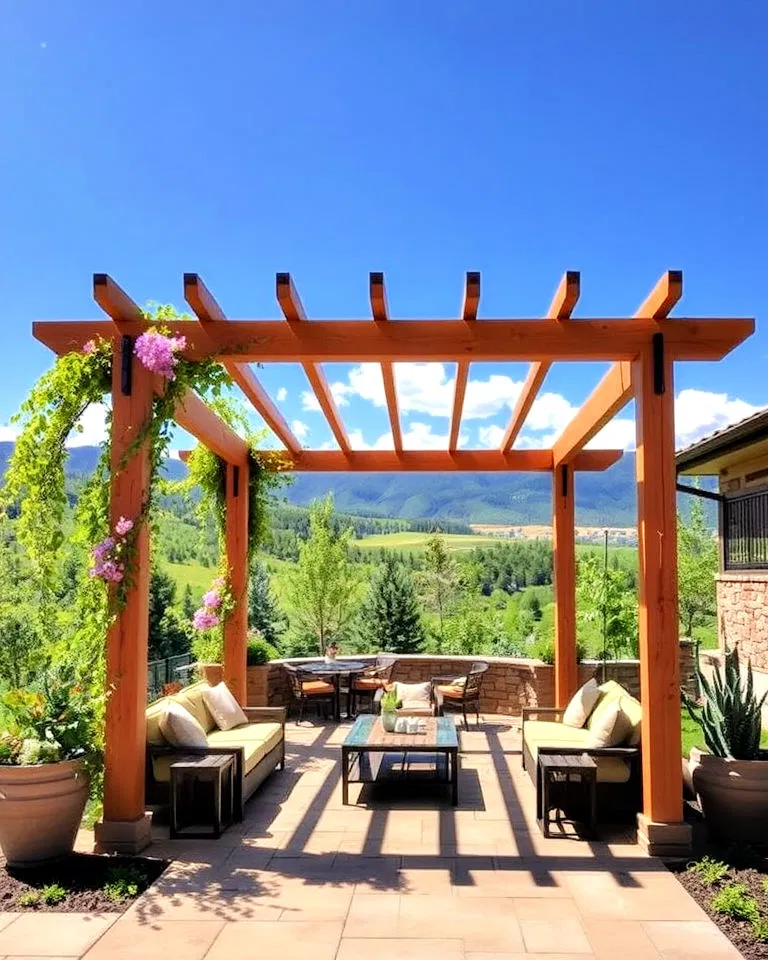
Construct pergolas from natural wood to provide shade and architectural interest in sunny Colorado yards. Enhance these structures with climbing vines like clematis or wisteria for seasonal greenery and flowers. Furnish the shaded area with comfortable outdoor seating or dining sets to create inviting spaces for relaxation and entertaining.
12. Eco-Friendly Wild Grass Lawns
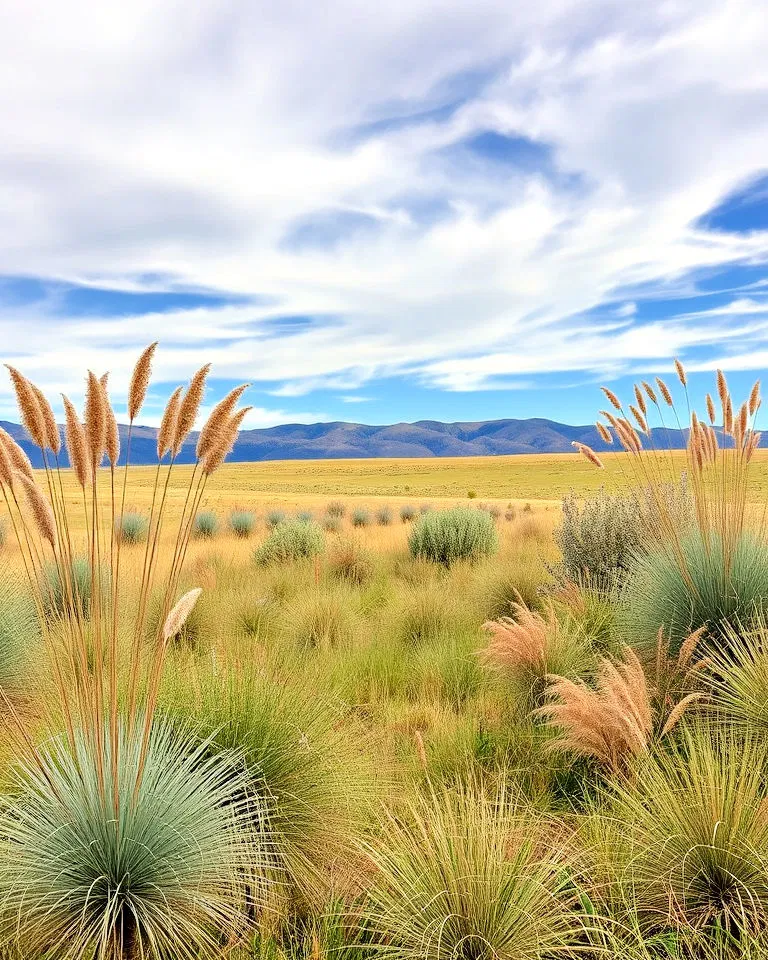
Replace traditional turf with native wild grasses such as blue grama and switchgrass to create a sustainable, low-maintenance lawn alternative. These grasses are drought-resistant and adapt well to Colorado’s climate, adding natural movement and texture that evoke the state’s open landscapes.
13. Functional and Decorative Dry Creek Beds

Dry creek beds constructed from river rocks and gravel serve as both drainage solutions and striking landscape features. Designed to emulate natural streams, they help manage runoff while adding sculptural interest. Flank these beds with native plants like yucca or sagebrush to blend them seamlessly into the environment.
14. Structured Borders with Native Shrubs
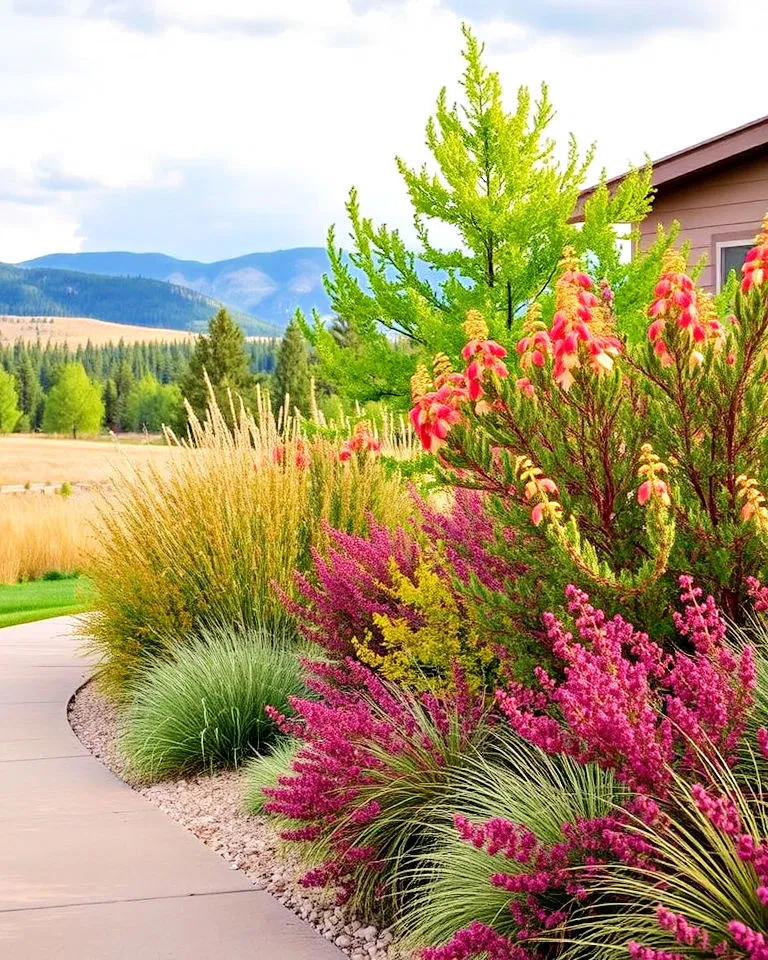
Define walkways or property edges with native shrubs such as serviceberry and mountain mahogany. These plants provide year-round texture and greenery, with seasonal flowers adding visual interest. Layering shrubs with smaller plants or grasses creates a rich, wildlife-friendly habitat and a polished landscape edge.
15. Boulder Highlights to Enhance Garden Beds
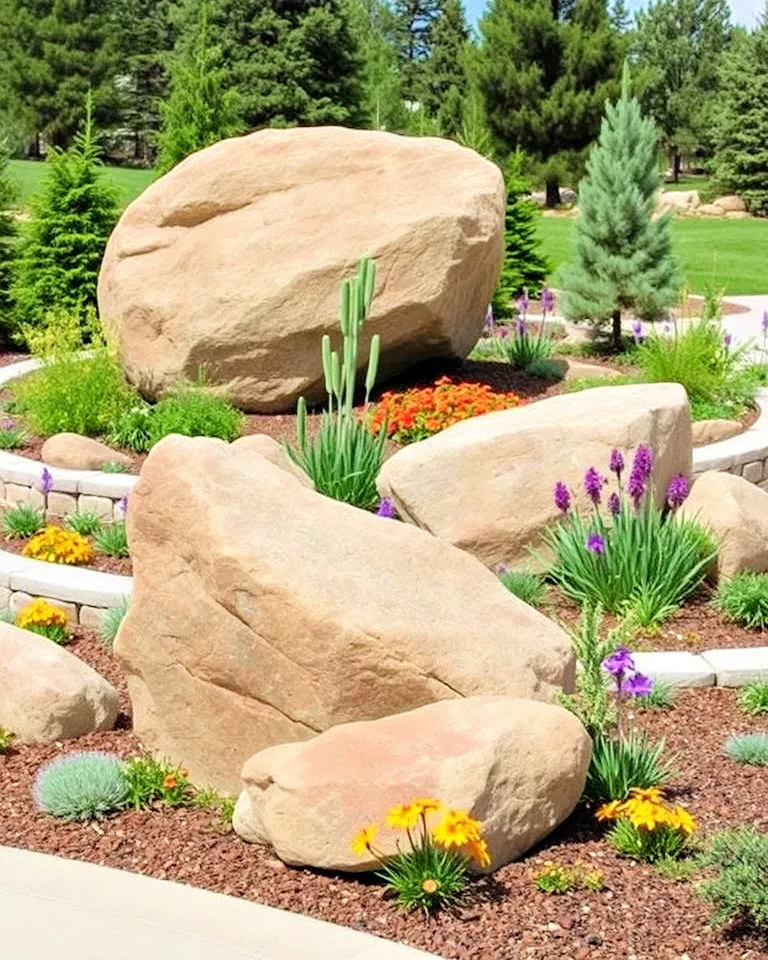
Integrate large boulders within garden beds to echo Colorado’s rugged landscape. Use these stones as natural focal points or to delineate spaces, surrounded by hardy plants like columbines or penstemons. The interplay between stone and vegetation creates a balanced and authentic outdoor environment.
16. Seasonal Planters Featuring Local Plant Varieties
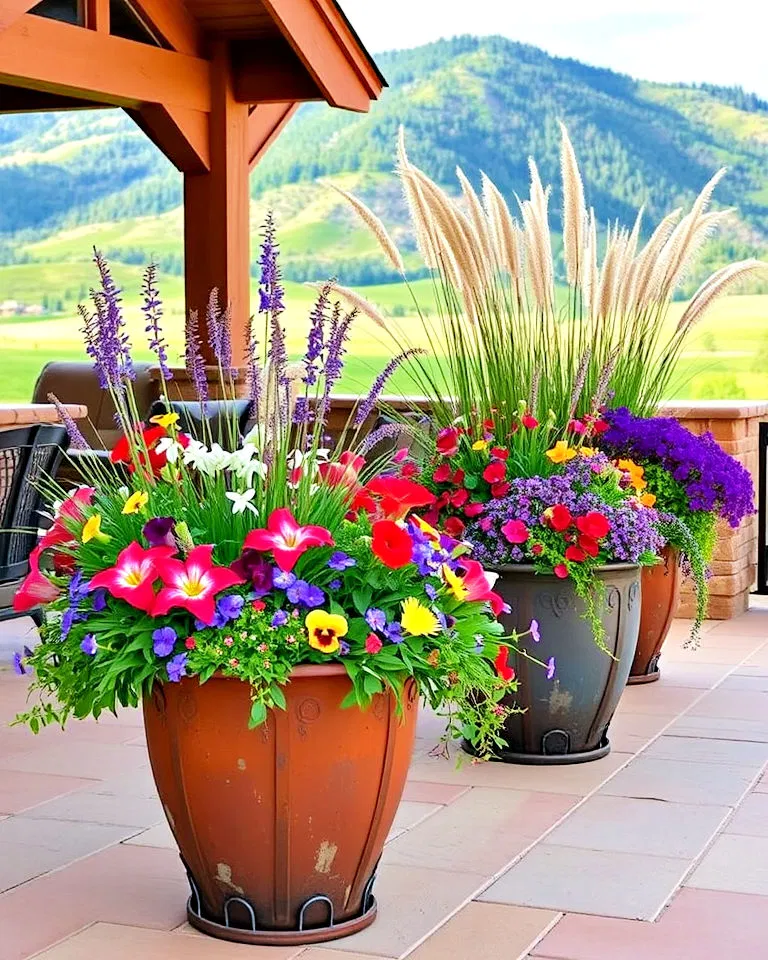
Enhance patios or entryways with large containers filled with native flowers and grasses. Choose rustic materials like terracotta or weathered metal to complement Colorado’s aesthetic. Rotate plant selections seasonally-such as pansies in spring and asters in autumn-to maintain a fresh and engaging display throughout the year.
17. Rustic Wooden Fencing to Define Spaces
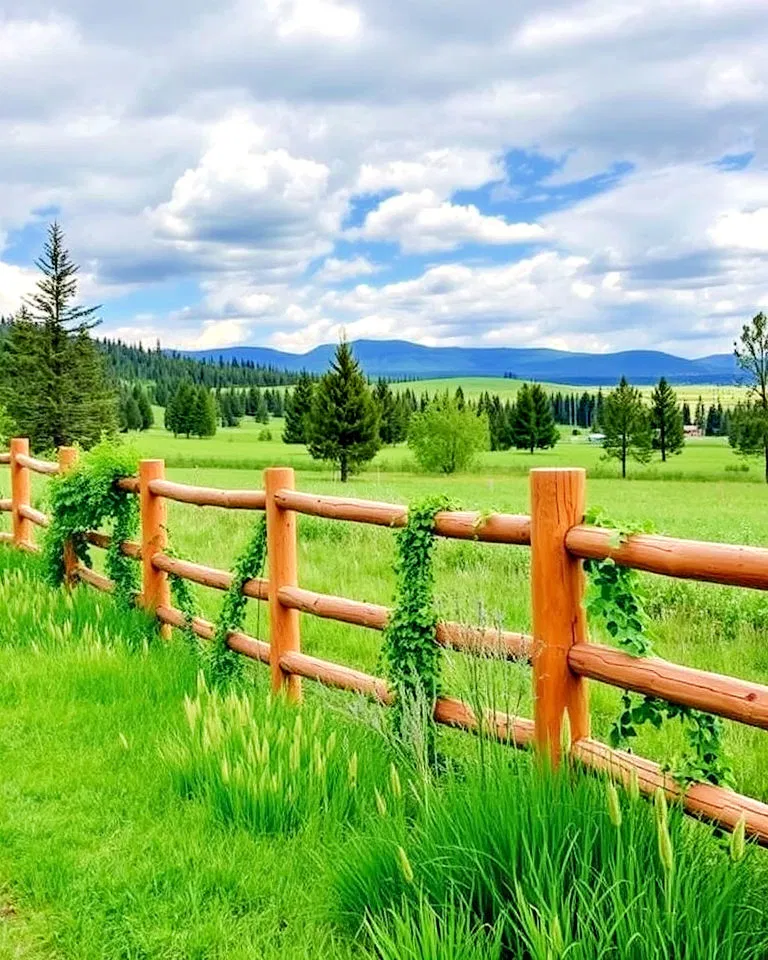
Use rustic fencing styles such as split-rail or log fences to frame garden areas or mark property lines. Encourage climbing plants like ivy or hops to grow along the fence, softening its appearance and integrating it into the natural surroundings. This approach adds both charm and durability to your outdoor space.
18. Inviting Stone Patio Fireplaces
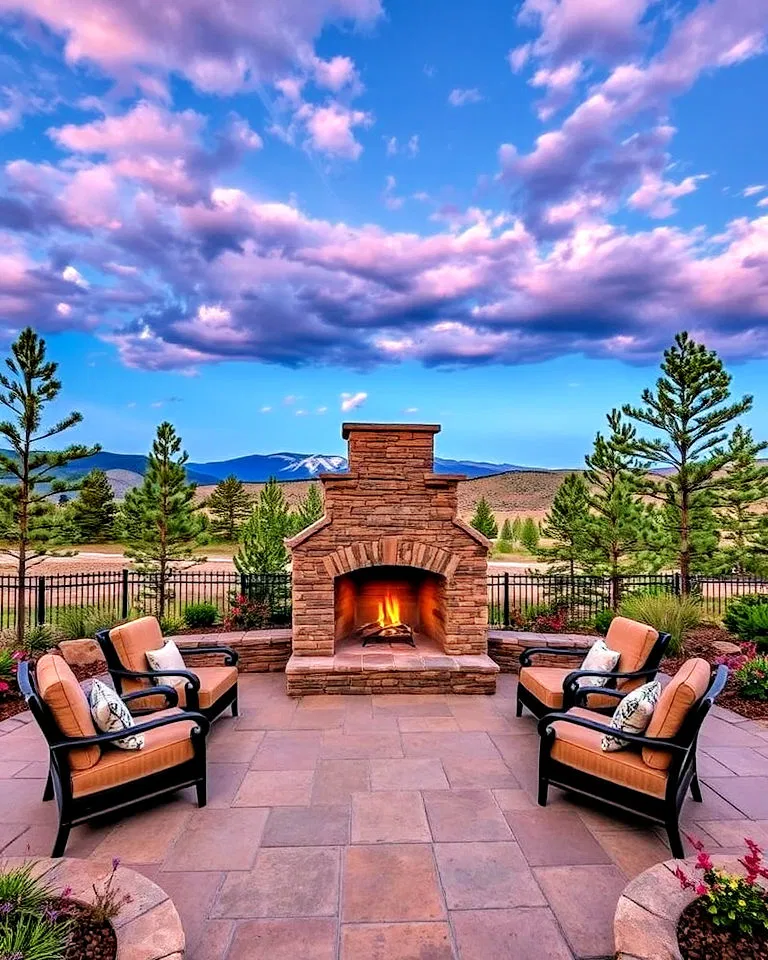
A stone or brick patio fireplace serves as a warm and welcoming centerpiece for outdoor gatherings. Surround the fireplace with comfortable seating and native plantings to create a cozy retreat that extends your living space into the outdoors, perfect for enjoying cool Colorado nights.
19. Pollinator-Friendly Gardens to Support Wildlife
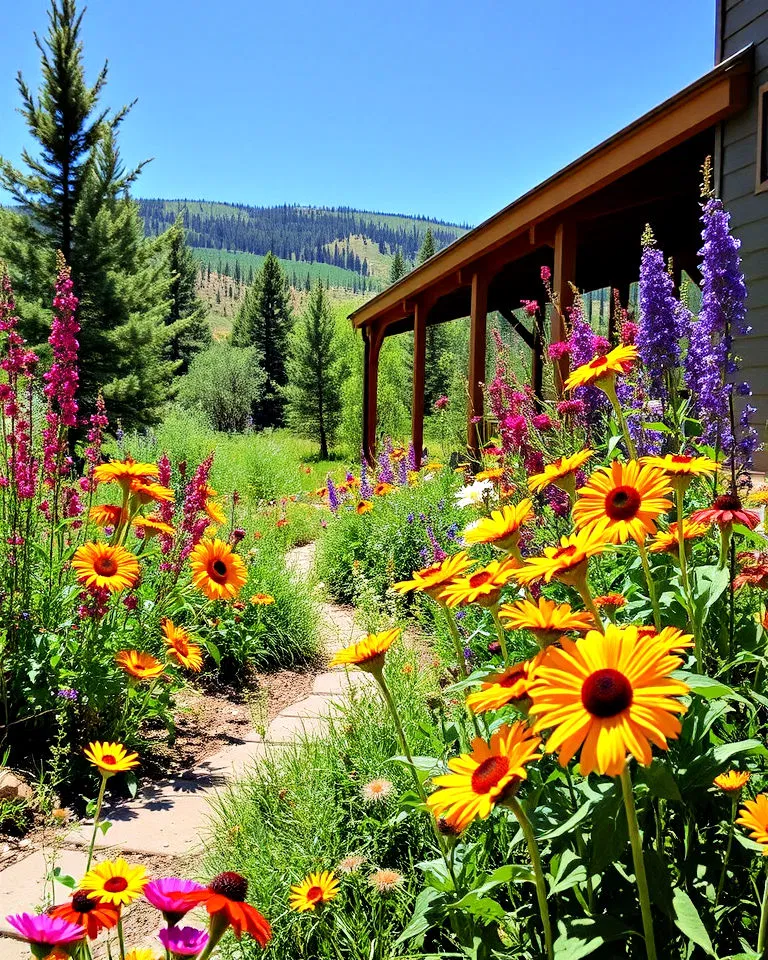
Create vibrant pollinator gardens filled with native wildflowers such as bee balm, milkweed, and sunflowers to attract bees, butterflies, and birds. Planting in clusters and ensuring blooms throughout the growing season fosters biodiversity and adds lively color to your landscape.
20. Low-Maintenance Rock Mulch for Soil Health
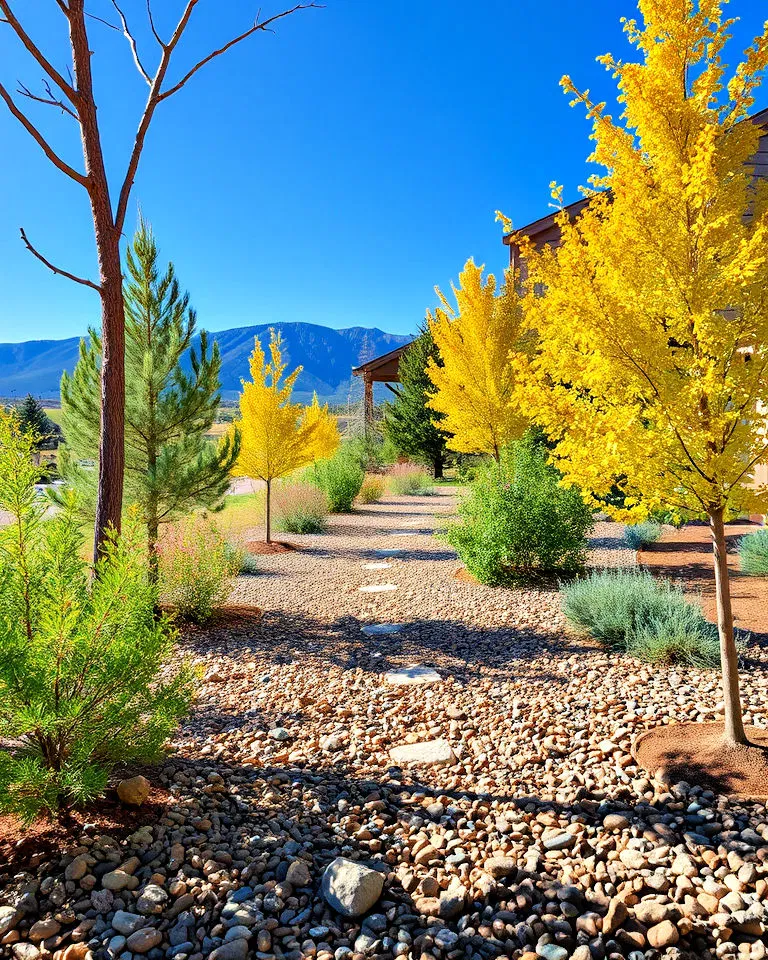
Use rock mulch such as river stones or crushed granite beneath trees, shrubs, or pathways as a durable alternative to organic mulch. This method helps retain soil moisture, suppress weeds, and reduces maintenance, perfectly suited to Colorado’s rugged landscapes.
21. Strategic Shade Trees to Cool Outdoor Spaces
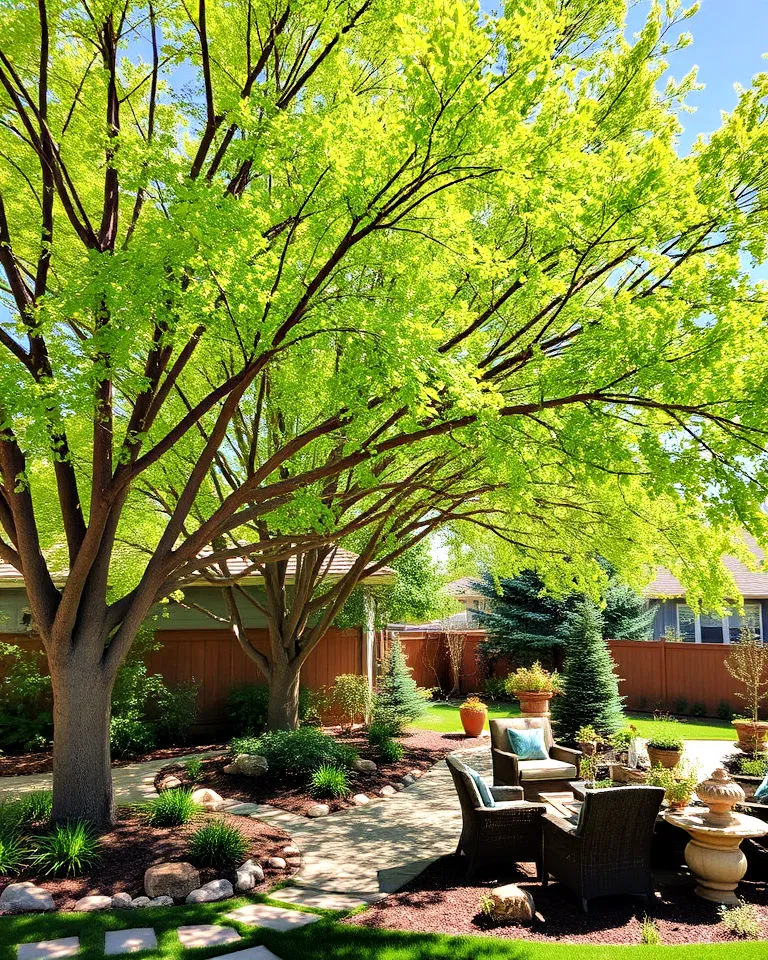
Plant shade trees like cottonwoods or maples near patios, seating areas, or driveways to provide natural cooling and visual appeal. These trees not only enhance comfort during hot summers but also contribute to energy savings by shading your home.
22. Gravel Patios for Functional Outdoor Living

Gravel patios made from pea gravel or crushed granite offer a low-maintenance, attractive surface ideal for outdoor living. Furnish these areas with comfortable seating and potted plants to create inviting spaces for socializing or relaxing under Colorado’s open skies.
23. Evergreen Hedges for Privacy and Year-Round Greenery
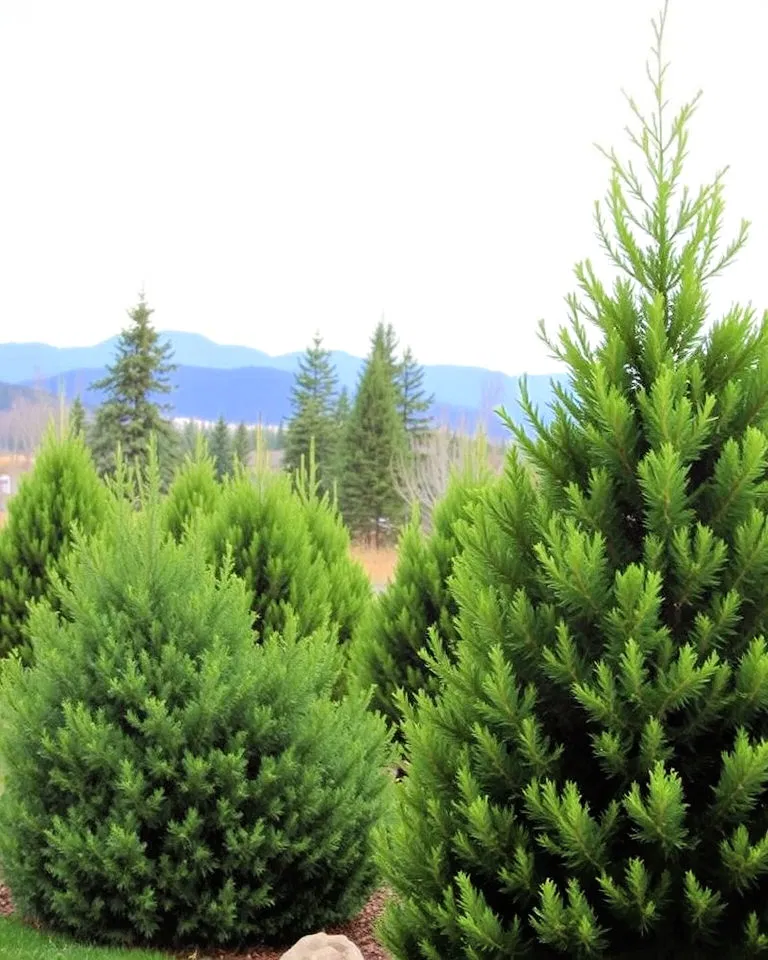
Utilize evergreen shrubs such as junipers or spruces to create natural privacy screens that maintain their foliage throughout the year. These hardy plants thrive in Colorado’s climate and require minimal upkeep, making them an excellent choice for defining spaces and blocking unwanted views.
24. Eco-Conscious Natural Retention Ponds
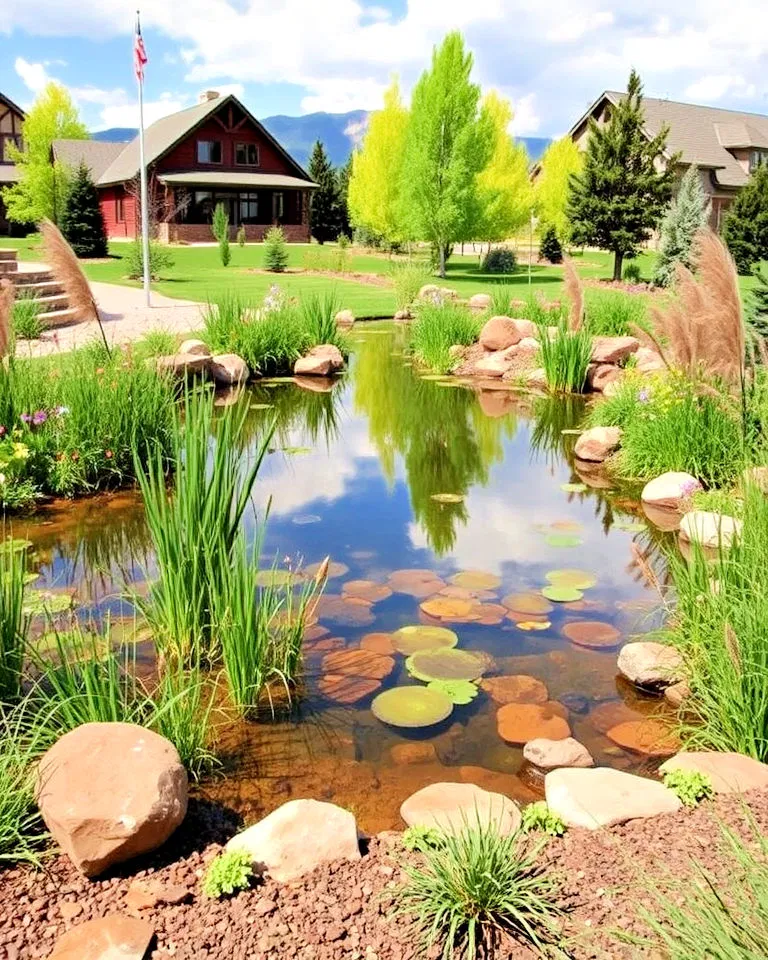
On larger properties, natural retention ponds serve dual purposes: enhancing landscape beauty and managing stormwater runoff. Encircled by native plants like cattails and wildflowers, these ponds support local wildlife and create peaceful focal points that align with Colorado’s environmental ethos.
25. Ambient Outdoor Lighting Integrated with Boulder Features
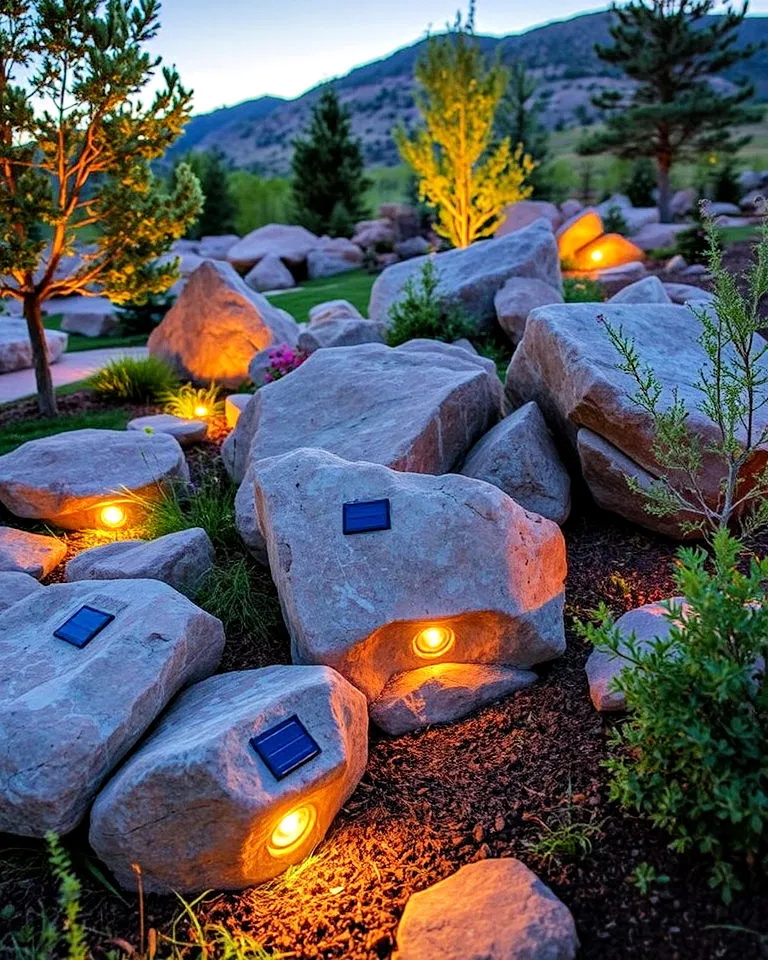
Incorporate solar-powered lighting fixtures nestled within or near natural boulders to illuminate pathways, patios, or garden areas subtly. This approach enhances safety and usability after dark while preserving the rustic, rugged charm characteristic of Colorado’s outdoor spaces.
Final Thoughts
Whether you’re aiming for a drought-resilient xeriscape, a tranquil dry creek bed, or a lively pollinator garden, landscaping in Colorado offers a harmonious blend of beauty and practicality. By integrating natural materials like stone and gravel alongside native plants, you create outdoor spaces that flourish in the local climate with minimal upkeep. These thoughtfully curated ideas celebrate Colorado’s rugged allure and commitment to sustainability, empowering you to transform your property into a breathtaking, eco-friendly haven perfectly suited to the region’s unique environment.
Essential Insights
- Tailor Designs to Colorado’s Climate: Prioritize drought-tolerant plants, xeriscaping, and water-efficient landscaping to adapt to the state’s dry and fluctuating weather patterns.
- Incorporate Natural Elements: Use native stones, gravel, and wood to create durable, low-maintenance landscapes that resonate with Colorado’s rugged terrain.
- Promote Native Plantings: Select indigenous flowers, grasses, and shrubs to boost biodiversity, support pollinators, and ensure thriving landscapes.
- Design Multi-Functional Spaces: Combine aesthetic appeal with practicality through features like fire pits, tiered beds, and outdoor living areas.
- Adopt Sustainable Practices: Utilize rock mulch, dry creek beds, and wild grasses to conserve water and foster environmental health.
- Ensure Year-Round Interest: Include plants and trees that provide seasonal color and texture, such as aspens and evergreens.
- Blend Design with Nature: Create seamless transitions between your yard and the natural surroundings using wildflower meadows and pollinator gardens.
Next Steps to Transform Your Landscape
- Assess Your Site: Analyze your property’s climate, soil, and layout to identify suitable landscaping strategies.
- Choose Key Features: Select a combination of functional and decorative elements like fire pits, pathways, and pollinator-friendly plants.
- Develop a Comprehensive Plan: Sketch a layout that integrates native materials, plants, and sustainable features for a cohesive design.
- Implement High-Impact Projects First: Start with initiatives such as xeriscaping or pathway installation to quickly enhance your yard.
- Consult Local Professionals: Collaborate with landscape designers knowledgeable about Colorado’s environment to optimize plant choices and design.
- Maintain Regularly: Keep your landscape healthy and attractive through consistent watering, pruning, and care.
- Refresh Seasonally: Update planters, wildflower beds, and greenery to sustain vibrancy throughout the year.