Discover the Hottest Home Decorating Trends: Stylish Ideas to Transform Your Space

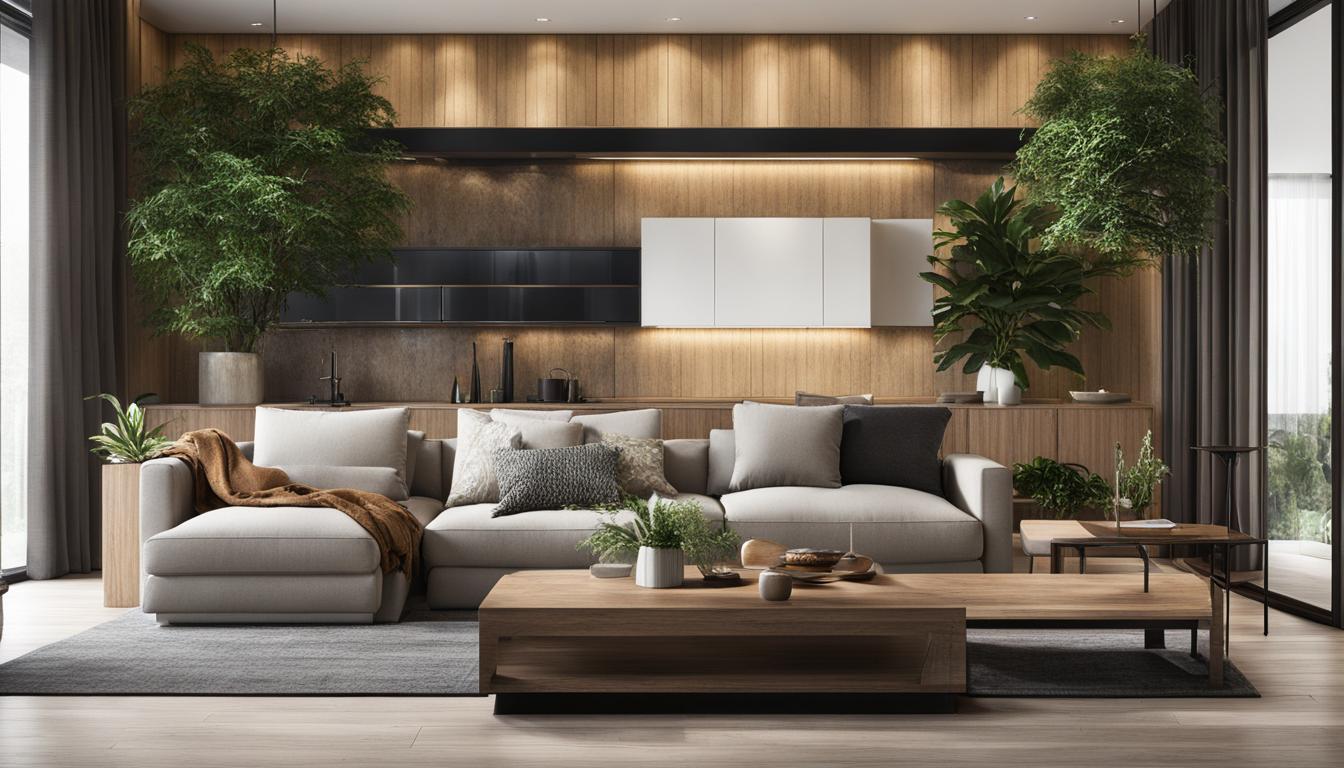
As a passionate devotee of home styling, I have dedicated extensive time to investigating various home decorating styles and analyzing the nuances of emerging interior design trends. This exploration has revealed a vibrant and ever-changing world of home decor trends that continuously transform the spaces we call home. Drawing inspiration from diverse cultural and artistic influences, I am particularly fascinated by the blend of timeless interior design concepts with innovative home decor ideas, creating environments that are not only visually stunning but also deeply personal. This guide on the best home interior design aims to inspire fellow enthusiasts to harmonize classic and contemporary elements, emphasizing the fluidity and adaptability of modern home decor.
Essential Insights
- Keeping abreast of current home decor trends is vital for crafting stylish and relevant interiors.
- Combining various trending interior design styles enables the creation of unique and enduring living spaces.
- The influence of classic interior design remains a cornerstone in shaping modern aesthetics.
- Innovative modern home decor ideas foster creativity and enhance functional living.
- Choosing the best home interior design involves balancing personal preferences with broad appeal.
- Adopting contemporary home decor promotes a versatile and evolving approach to interior styling.
Decoding Interior Design Aesthetics
Exploring the vast spectrum of interior design styles reveals a world rich with diverse and popular interior design styles. This diversity empowers homeowners and design lovers alike to select elements that truly reflect their personal stories. The abundance of design styles furniture and popular decorating styles available today offers endless opportunities for self-expression.
One striking example is the luxurious contemporary style, which features sleek furnishings and avant-garde lighting, crafting spaces that feel both fresh and timeless. Conversely, traditional designs rooted in 18th and 19th-century European elegance continue to captivate with their intricate motifs and sumptuous textures, representing some of the most popular interior design styles historically.
Thanks to digital innovations, interactive style quizzes and online design consultations have become invaluable tools for navigating the myriad of popular home decorating styles. These resources help individuals identify the styles that best resonate with their unique tastes, making the world of popular decorating styles more accessible than ever.
- Contemporary: Polished, elegant, and refined spaces
- Traditional: Timeless decor honoring historical grandeur
- Minimalist: Clean, functional, and uncluttered design
- Bohemian: Vibrant, eclectic, and free-spirited
- Mid-Century Modern: Classic forms with organic influences
Delving deeper, I realize that interior design transcends mere aesthetics-it is a personal signature and lifestyle. Whether through carefully chosen design styles furniture or thoughtfully selected color schemes and textures, every choice shapes environments that mirror our identities and enhance our daily experiences.
Transitional Design: Bridging Classic and Contemporary
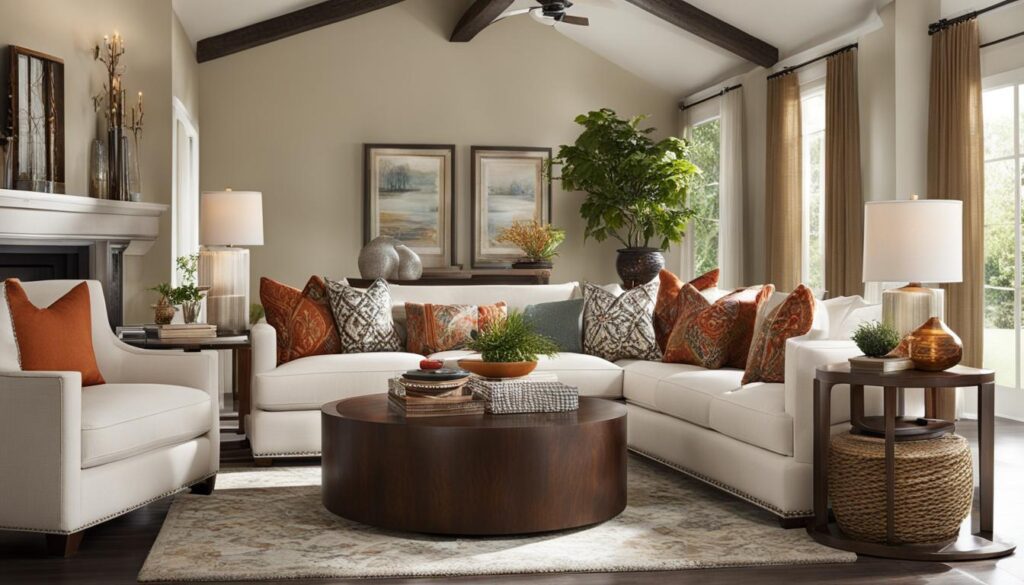
Having immersed myself in home aesthetics, I’ve observed how transitional interior design has become a favored choice among homeowners nationwide. This style elegantly merges the warmth of traditional interiors with the sleekness of modern design, offering a subtle sophistication and a flexible color palette that appeals to a wide range of tastes without overwhelming the senses.
Why Transitional Style Charms
In my experience with popular home design, transitional style stands out for its masterful fusion of eras. It combines the inviting warmth of classic decor with the clean lines of contemporary design, resulting in a balanced elegance that is both comfortable and visually engaging. Its adaptability makes it one of the most sought-after popular home decor styles today.
Curating Accessories in Transitional Spaces
When accessorizing transitional interiors, I advocate for a focus on quality rather than quantity. Selecting a few impactful pieces-such as striking artwork or a cherished heirloom-can unify the room beautifully. This minimalist yet intentional approach ensures each item contributes meaningfully to the harmonious aesthetic characteristic of this modern interior design style.
Balancing Masculine and Feminine Elements
The charm of transitional decor lies in its blend of masculine and feminine features. Robust materials like leather and wood are softened by plush textiles, creating a curated environment that appeals universally. Through my design journey, I’ve seen how this duality crafts a timeless ambiance that balances strength with delicacy.
- Combining materials such as steel and rattan for tactile contrast
- Utilizing muted color schemes to ensure lasting appeal
- Playing with scale to harmonize traditional and modern furnishings
Transitional design’s understated elegance stems from its ability to merge two worlds while honoring individuality, allowing homes to be both visually captivating and emotionally resonant-a true testament to the enduring power of transitional interior design.
Enduring Charm of Traditional Interior Design
Exploring traditional interior design reveals a style steeped in history and grandeur. Originating from the rich cultural heritage of England and France, traditional decor celebrates the opulence of bygone eras. Every element in traditional home decor tells a story of European elegance and timeless sophistication.
Masterful Woodwork and Patterns
My admiration for craftsmanship is heightened by the intricate woodwork that defines this style. Dark, elaborately carved wooden furniture evokes aristocratic refinement, while classic patterns-such as damask, florals, stripes, and plaids-interweave to enrich the visual tapestry of traditional interior design.
Luxurious Textiles and Fabrics
Luxury in traditional interiors is expressed through sumptuous fabrics. Velvet curtains and silk upholstery serve as hallmarks of elegance, complemented by pure linen that adds texture and depth. These materials collectively imbue traditional home decor with a sense of richness and comfort.
Symmetry and Balance in Design
Symmetry is a defining feature of traditional interiors. The deliberate placement of paired furniture and decor elements creates a harmonious and balanced environment. This orderly arrangement satisfies my preference for a refined aesthetic, showcasing the graceful discipline inherent in traditional interior design.
Essence of Modern Interior Design
Diving into modern interior design styles, I recognize their roots in the early to mid-20th century’s innovative spirit. Modern design emphasizes simplicity, functionality, and the seamless integration of form and purpose. The modern decor style harmonizes architectural elements with decorative accents, creating spaces that are both visually appealing and emblematic of contemporary design.
Core Features of Modern Design
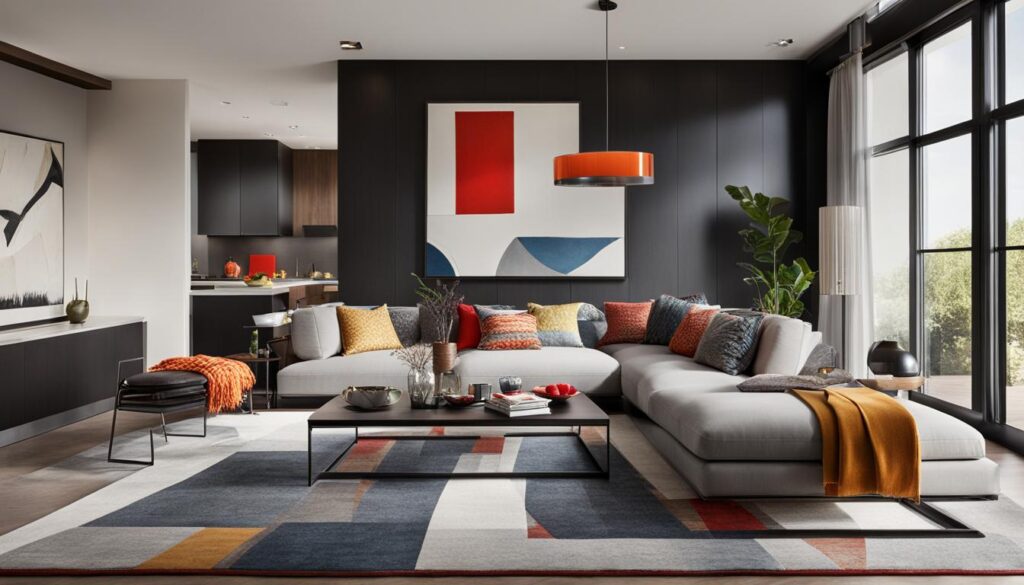
The hallmark of modern design lies in its clean lines and uncluttered spaces. Smooth surfaces and fluid architectural forms dominate, with materials like metal, chrome, and glass playing key roles. These elements not only enhance visual appeal but also embody the modern decor style philosophy where simplicity and utility reign supreme.
Modern Furniture Principles
Modern furniture prioritizes practicality without compromising style. Sleek, low-profile pieces are designed to serve functional needs while complementing the overall design language. This balance of form and function is central to the modern design ethos.
Injecting Color into Neutral Spaces
Within modern interior design styles, neutral palettes provide a versatile backdrop for vibrant accents. Strategic pops of color-whether through a statement piece or curated accessories-infuse energy and personality, weaving dynamic threads into the fabric of modern interiors.
Eclectic Design: A Global Fusion of Styles
As an advocate for eclectic interior design, I emphasize that this style is far from random. It requires a thoughtful understanding of how diverse design styles furniture and decor elements can blend to create a cohesive, culturally rich environment. Eclectic design celebrates diversity and personal storytelling within a space.
Balance is key in eclectic decor. The interplay of colors and textures creates spaces that are both lively and serene. I enjoy pairing vintage treasures with contemporary art, crafting interiors that narrate journeys of travel and experience.
- Layering antique rugs over modern hardwood floors for contrast
- Mixing classic furniture shapes with avant-garde accents
- Incorporating globally inspired decor to evoke worldly charm
Eclectic style thrives on personalization, merging old and new, bold and subtle. It invites cultural dialogues into the home, making eclectic interior design a creative and meaningful expression of individuality.
For instance, a family heirloom chandelier can harmonize with a contemporary sculpture, provided the curation is intentional. This approach enriches the space with stories and significance, elevating eclectic interior design to an art form celebrating uniqueness.
Contemporary Design: Embracing Change and Innovation
Exploring contemporary interior design reveals a style defined by its responsiveness to current trends and innovations. It blends aesthetics with functionality, creating spaces that are both stylish and comfortable. The contemporary home decor style is distinguished by its adaptability, making it a favorite for those seeking a fresh yet timeless look.
Distinctive Features of Contemporary Design
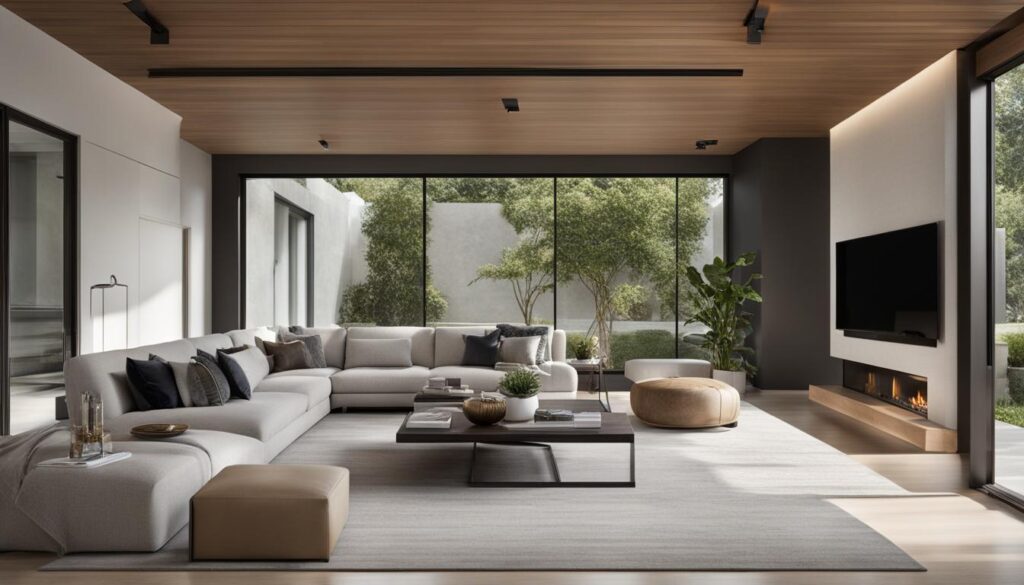
Contemporary interiors are marked by their sleek, minimalist appearance. They avoid excessive ornamentation, favoring simple color schemes and open layouts. This uncluttered approach not only enhances aesthetics but also promotes a lifestyle centered on clarity and ease.
Furniture and Lighting in Contemporary Spaces
Furniture in contemporary home decor is characterized by clean lines and exposed legs, which create an airy atmosphere. Lighting fixtures serve dual roles as functional necessities and artistic focal points, blending ambient and accent illumination to highlight the homeowner’s style.
Texture Mixing for Depth
Combining soft textiles with harder materials like metal and glass adds tactile richness to contemporary rooms. This interplay of textures enhances sensory appeal, contributing to the refined luxury many seek in a luxury modern interior.
Minimalist Decor: The Power of Simplicity and Function
My journey into minimalist home decor revealed that simplicity can transform a home into a peaceful retreat. This minimalistic decorating style values uncluttered spaces and a neutral palette, punctuated by subtle color accents that enliven without overwhelming.
Minimalism is more than a design choice-it’s a lifestyle emphasizing purpose, quality, and clarity. Every item in a minimalist space serves a function, fostering both physical and mental order. Inspired by Japanese design principles, which emphasize nature and essentialism, I’ve embraced this approach wholeheartedly.
Innovative storage solutions, such as multifunctional furniture, help maintain a clutter-free environment, enhancing the serene charm of minimalist home decor. From streamlined furnishings to understated art, minimalism elevates both style and daily living.
- Neutral tones enriched with texture
- Hidden storage integrated into stylish furniture
- Strategic pops of color for subtle vibrancy
- Utilization of empty space as a design element
- Incorporation of natural materials and abundant light
Ultimately, embracing minimalism has been transformative, proving that the essence of a home lies in thoughtfully curated space rather than excess.
Mid-Century Modern: Timeless Design Endurance
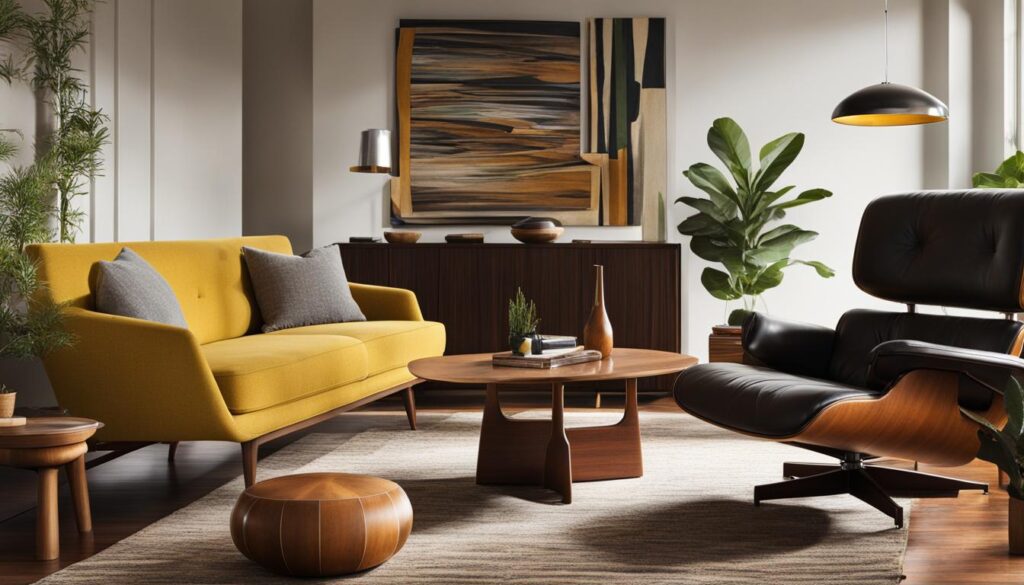
Reflecting on mid century modern interior design, I am continually impressed by its lasting popularity among popular home design styles. Its ability to transcend time underscores its place within classic interior design. The style’s hallmark is the fusion of organic shapes with clean lines, creating a timeless appeal that resonates with those who appreciate understated elegance paired with modern practicality.
- Streamlined furniture showcasing expert craftsmanship
- Blending traditional woods with modern materials like metal and glass
- Maximizing natural light and open layouts for seamless flow
My admiration extends beyond aesthetics to the philosophy of purposeful living that mid century modern embodies. As sustainability gains importance, this style’s timelessness and adaptability make it increasingly relevant, proving that good design only improves with age.
Bohemian Design: Vibrant Freedom and Creativity
Immersed in bohemian interior design, I appreciate its spirited and eclectic nature. Unlike rigid traditional styles, boho-chic embraces a playful mix of patterns, colors, and textures, inviting personal expression and breaking conventional design rules.
Layering Patterns for Boho Style
The essence of boho-chic lies in layering diverse patterns and textures. From tribal cushions on classic sofas to Moroccan rugs underfoot, bohemian interiors tell stories of adventure and passion through vibrant tapestries and plush throws.
Nature and Eclecticism in Boho
Nature plays a vital role in bohemian decor. Houseplants symbolize growth and vitality, often displayed in hanging pots or macramé holders. Natural materials like rattan and wood reflect boho’s reverence for the environment, infusing spaces with organic energy.
Freedom in Boho Arrangement
Bohemian design celebrates creative freedom, eschewing symmetry for a curated collection of global artifacts and sentimental items. Each piece-from an Eastern lantern to a vintage trunk-adds to a rich narrative, making every corner an invitation to explore.
Scandinavian Design: Where Simplicity Meets Functionality
Exploring Scandinavian interior design reveals a style that honors minimalism and practicality. Known for clean lines and subtle elegance, it creates serene spaces dominated by whites and soft neutrals, fostering a sense of openness and warmth.
Natural Materials in Scandinavian Design
Wood is central to Scandinavian aesthetics, used extensively in furniture and decor. Woods like pine, ash, and beech introduce organic warmth that complements the cool, minimalist palette, enhancing the minimalist decorating style with natural charm.
Hygge and Lagom Philosophies
The Danish concept of hygge (coziness) and the Swedish idea of lagom (balance) deeply influence Scandinavian design. These philosophies promote well-being and moderation, reflected in every element of functional home design.
Blending Scandinavian with Other Styles
Scandinavian design’s versatility allows it to blend seamlessly with other decor styles. Whether paired with modern or ornate elements, it maintains its identity, offering a unique perspective where function meets elegance.
Personalizing Spaces with Japandi and Boho Influences
In personalizing interiors, I am drawn to the Japandi style, which harmoniously combines Japanese minimalism with Scandinavian coziness. This fusion creates tranquil, modern spaces that balance simplicity and warmth.
Conversely, boho interior design offers a vibrant, eclectic mix of textures and colors, infusing spaces with personality and creative freedom. By blending Japandi and boho elements, I craft environments that are both contemporary and deeply personal.
- Select sleek, neutral-toned furniture from the Japandi palette
- Incorporate boho accents like colorful pillows, patterned rugs, and macramé wall art
- Use natural materials such as wood and stone to maintain a connection with nature
- Add plants to bring freshness and vitality
- Create focal points with meaningful statement pieces
This fusion results in a space that is stylish, contemporary, and uniquely mine, exemplifying the best of modern home decorating trends.
Neo-Sensibilities: Reimagining Classic Design
In today’s design landscape, there is a growing trend to blend historical charm with contemporary design trends. This fusion respects classic aesthetics while revitalizing them with modern sensibilities.
Earth Tones in Contemporary Design
Integrating earth tones into contemporary interiors creates a calming, natural backdrop that unifies diverse design elements. This palette fosters a connection to nature, transforming homes into serene sanctuaries.
Rise of Neo-Brutalism
Neo-brutalism reinterprets the raw, bold forms of mid-century Brutalism with added warmth and texture. This softened approach makes the style more inviting and livable, blending rugged aesthetics with comfort.
Sustainable Design Movement
As awareness of environmental impact grows, many are shifting away from “fast furniture” toward sustainable, durable choices. This philosophy of buying less but better aligns with a responsible, eco-conscious lifestyle, influencing sustainable interior choices that prioritize longevity and minimal waste.
Final Thoughts
Surveying the evolving world of home decor, it’s clear that the fusion of innovative trendy interior design styles with enduring traditions shapes the best interior design for house today. This blend injects fresh energy while honoring classic elegance, inspiring creativity and personal expression in our living spaces.
From the rugged charm of industrial home decor to the eco-conscious ethos driving new design philosophies, there is a distinct movement toward interiors that are both beautiful and mindful. This journey encourages embracing a variety of popular home decor styles, each offering unique stories and opportunities to personalize our homes.
In this dynamic era, the possibilities for crafting spaces that reflect individuality, comfort, and style are vast. Whether you prefer a sleek minimalist apartment, a cozy boho-chic retreat, or a functional Scandinavian-inspired home, the potential to create a space that truly feels like yours is boundless.
FAQ
What defines the style of decorating a home in trending interior design?
Trending interior design styles are characterized by their ability to adapt to modern lifestyles, incorporating innovative materials, technologies, and sustainable practices. They blend aesthetics with functionality, reflect cultural shifts, and emphasize comfort and personal expression.
How do I identify the best home interior design for my space?
The best home interior design aligns with your personal style, functional needs, and the architectural features of your home. Exploring various styles, prioritizing comfort and aesthetics, and consulting with design professionals can help create a cohesive and personalized space.
Can you mix classic interior design with modern home decor ideas?
Definitely! Combining classic and modern elements results in a transitional style that balances timeless elegance with contemporary simplicity. This fusion creates versatile, sophisticated spaces that remain stylish over time.
What separates contemporary home decor from other modern interior design styles?
Contemporary home decor reflects current trends and is constantly evolving, often mixing textures and materials with a neutral palette. In contrast, modern design refers to a specific historical period with defined characteristics. Contemporary design is more fluid and adaptable.
What furniture exemplifies the popular decorating style of transitional interior design?
Transitional interior design features furniture that bridges traditional and contemporary styles. Look for pieces with clean lines, minimal ornamentation, plush fabrics, and mixed finishes like wood and metal, combining comfort with understated elegance.
What are the hallmarks of minimalist decorating style?
Minimalist decorating style is defined by simplicity, uncluttered spaces, clean lines, and a monochromatic palette with thoughtful texture contrasts. It emphasizes functionality and the philosophy that every item should have a purpose, creating open, serene environments.
How does Scandinavian interior design incorporate nature?
Scandinavian interior design integrates nature through natural materials like wood, wool, and linen, abundant natural light, plants, organic shapes, and a muted color palette inspired by Nordic landscapes, creating calm and inviting spaces.
What is Japandi and how does it differ from traditional Japanese or Scandinavian styles?
Japandi is a hybrid style combining the minimalist, functional aspects of Scandinavian design with the refined simplicity and tranquility of Japanese aesthetics. It blends Nordic warmth with Japanese Zen calm, creating balanced, harmonious interiors distinct from either traditional style alone.
What is neo-brutalism in interior design, and how is it implemented?
Neo-brutalism is a contemporary take on Brutalist design, featuring bold, raw architectural forms softened with warm textures and natural materials. It uses monochromatic, earthy tones to create spaces that are both striking and inviting.
Can you explain the increasing popularity of environmentally conscious design in home decor?
Environmentally conscious design is rising due to greater awareness of sustainability and environmental impact. Consumers favor durable, eco-friendly materials, reject fast furniture, and seek designs that promote energy efficiency and reduce waste, aligning decor choices with responsible living.
For those interested in exploring home decor trends, modern home decor ideas, or classic interior design, Amazon offers a wide selection of inspiring products to help bring these styles to life.