The kitchen often becomes a hub of disorder-crowded counters, jam-packed cabinets, and a jumble of mismatched gadgets can turn this vital space from a haven into a source of daily tension. Now, envision entering your kitchen and instantly feeling a soothing sense of order and tranquility.
This is the essence of minimalist kitchen design-not a cold, barren room, but a carefully curated environment that balances aesthetic calm with practical efficiency. Drawing from my experience designing tropical modern interiors where indoor and outdoor elements blend effortlessly, I’ve found that minimalism thrives even in lively, dynamic settings. The key is harmonizing simplicity with warmth, and utility with elegance.
Here, we delve into 22 innovative minimalist kitchen concepts that will reshape your culinary area into a serene, efficient retreat-where every item has its rightful place and design communicates through thoughtful simplicity rather than excess.
1. Embrace Clear Surfaces: Transform Your Countertops into Calm Zones
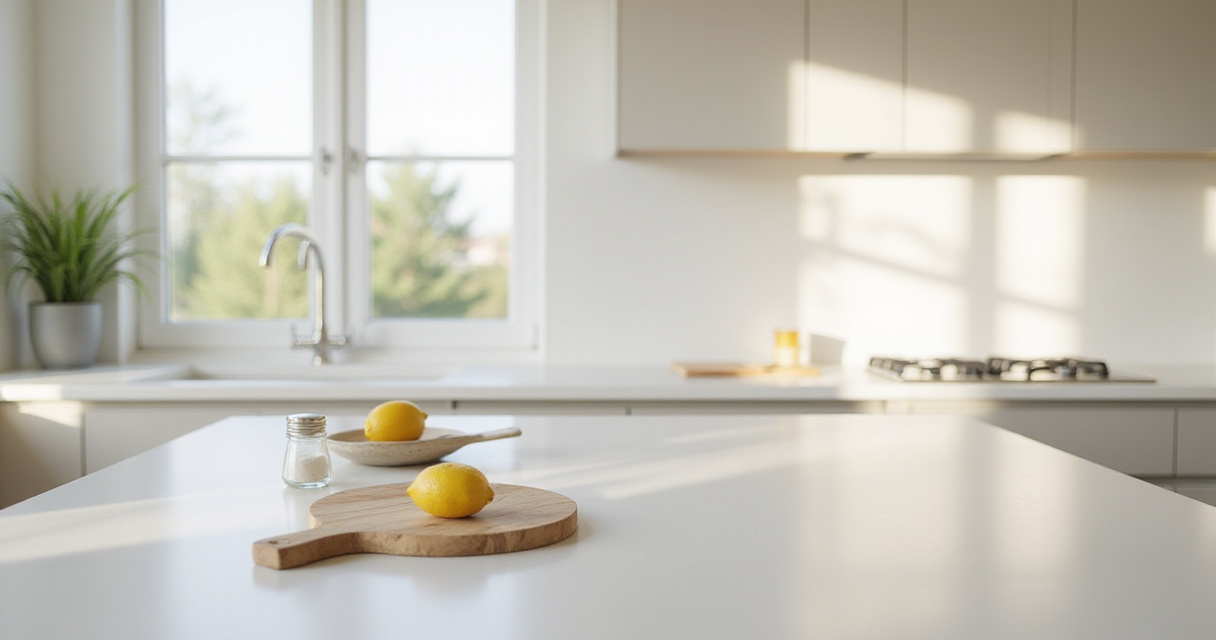
Your minimalist kitchen journey starts with the most visible surfaces-your countertops. These areas set the tone for the entire room. When cluttered with appliances, mail, or miscellaneous items, they create visual chaos and stress. Clearing these spaces is more than a design choice; it reshapes your kitchen experience.
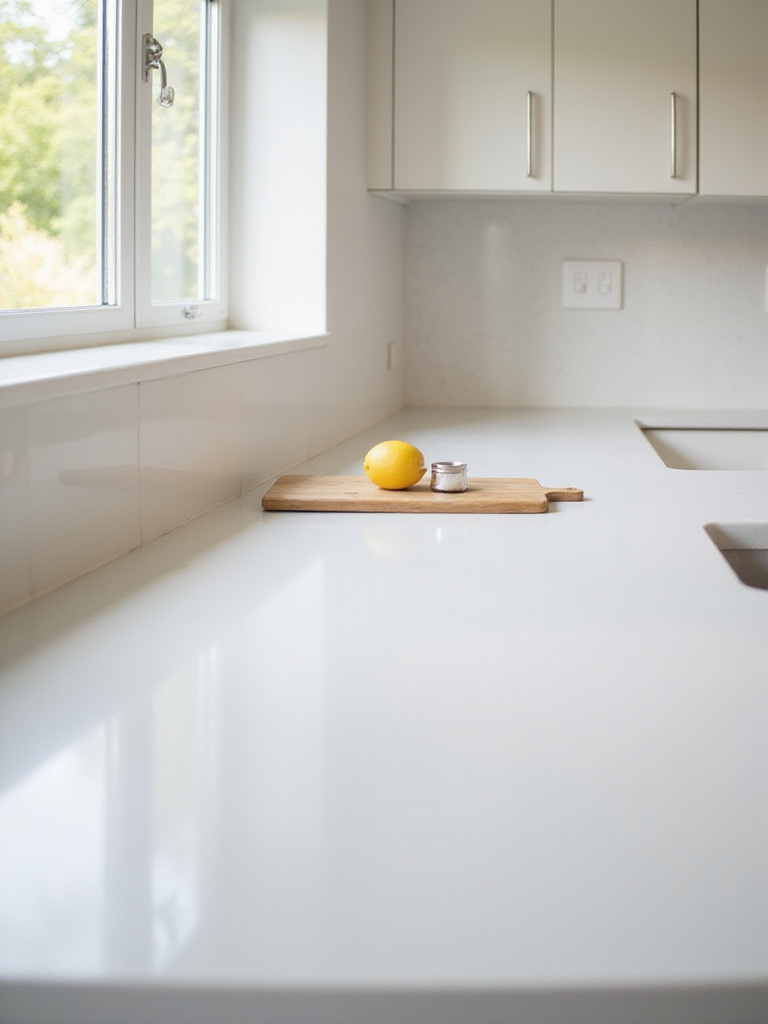
Research consistently links cluttered environments to elevated cortisol levels, the hormone associated with stress. By decluttering your counters, you create mental clarity alongside physical space. Begin by removing all items, then selectively return only daily essentials. Store or donate the rest to maintain a clean, functional surface.
“Your countertop is the stage for your kitchen’s narrative. Keep it uncluttered, and the story becomes one of peace, not pandemonium.”
Imagine morning sunlight casting gentle shadows over pristine surfaces instead of navigating around scattered objects. This openness not only enhances aesthetics but also streamlines cooking, allowing you to move freely and focus on your culinary creativity.
2. Concealed Storage: The Art of Hidden Organization
Minimalist kitchens thrive on the principle that not everything needs to be on display. Clever hidden storage solutions maintain sleek lines while enhancing functionality.
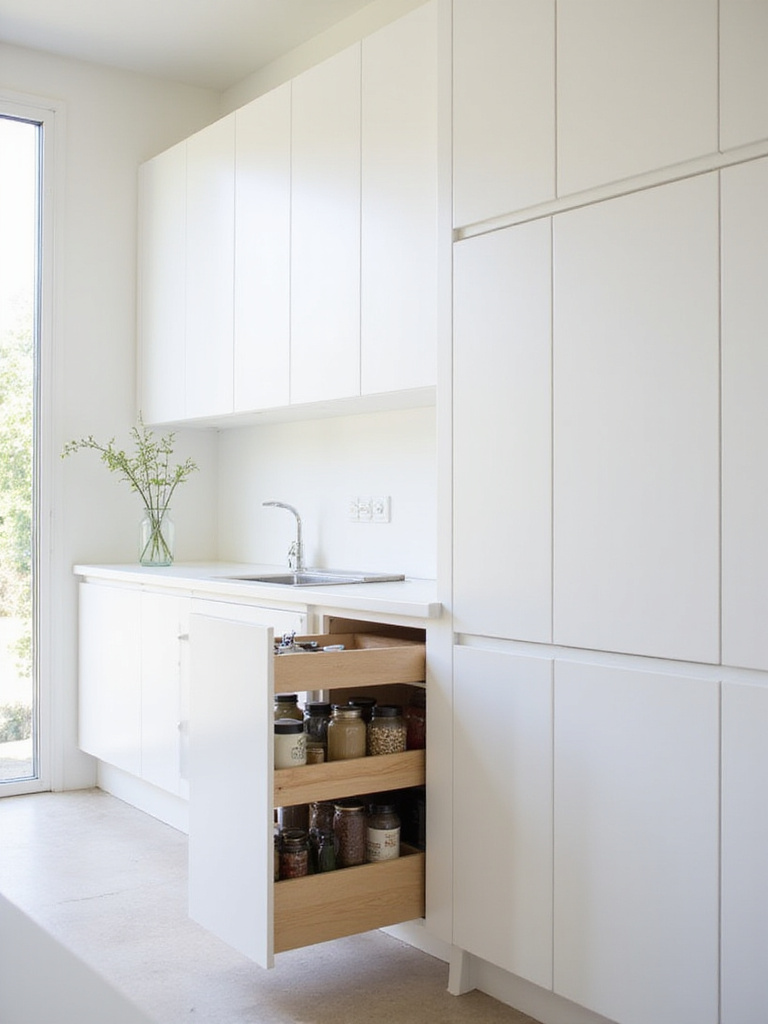
Thoughtful storage reduces waste by preventing duplicate purchases and unnecessary clutter. Consider vertical pull-out pantries, appliance garages that tuck away small devices, and nested drawer systems that maximize every inch. These features not only optimize space but also allow your kitchen’s architecture to shine.
- Incorporate toe-kick drawers for seldom-used items
- Use hydraulic lift-up doors for upper cabinets
- Install corner solutions like Le Mans shelves to utilize dead zones
- Opt for push-to-open or finger-pull hardware to maintain clean surfaces
As natural light fills your kitchen, these hidden compartments keep the focus on design rather than disorder.
3. Serene Shades: Harnessing Neutral Tones for a Soothing Kitchen
Minimalist kitchens communicate through subtle color palettes rather than stark whites alone. The most compelling designs use warm taupes, gentle grays, and earthy hues to add depth without overwhelming the senses.
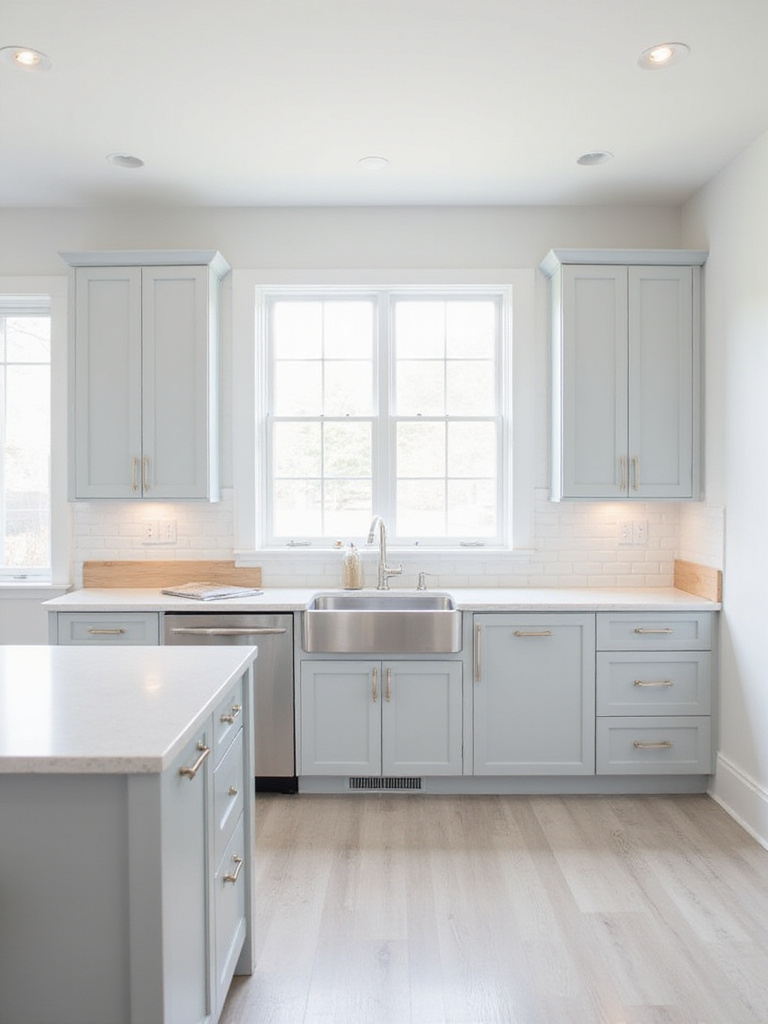
Inspired by natural elements like seagrass beige, driftwood gray, and coral stone cream, these tones create a tranquil backdrop where texture and light become the focal points. This nuanced palette invites the eye to rest, reducing visual noise and fostering calm.
“Color in a minimalist kitchen should be like the perfect ambient temperature-felt but not noticed, essential yet unobtrusive.”
Consider your kitchen’s orientation: warmer neutrals suit north-facing rooms with cooler light, while south-facing kitchens can embrace cooler shades without feeling sterile.
4. The Elegance of Clean Lines: Crafting Visual Flow Through Simplicity
Minimalist kitchens rely on precise craftsmanship-aligned cabinet fronts, seamless countertops, and consistent horizontal and vertical elements create a visual rhythm that soothes the eye.
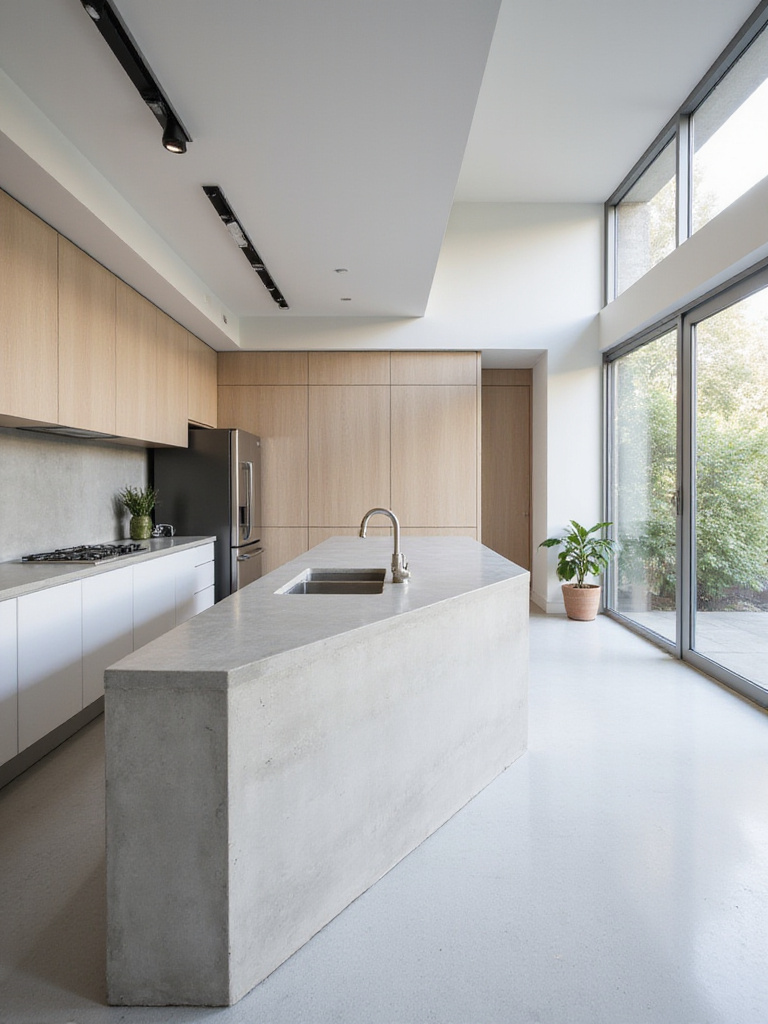
Balancing geometric precision with organic touches-like a softly curved faucet or natural wood grain-prevents the space from feeling cold. This interplay between order and nature adds character without clutter.
- Choose flat-panel cabinetry free of ornate details
- Align cabinet heights for continuous horizontal flow
- Select fixtures with simple geometric shapes
- Maintain uniform spacing for visual harmony
As evening light casts long shadows, these deliberate lines become the stars of your kitchen’s design story.
5. Sleek Appliances: Streamlining for Style and Sustainability
Modern minimalist kitchens benefit from appliances that combine understated design with energy efficiency and durability. These choices reduce environmental impact while enhancing the kitchen’s sleek aesthetic.

Look for appliances with intuitive controls, multi-functionality, and panel-ready designs that blend seamlessly with cabinetry. Induction cooktops, for example, offer a slim profile and superior energy savings. Smart appliances that adapt to your usage patterns further reduce waste and costs.
“The finest appliances in a minimalist kitchen perform flawlessly, quietly supporting your culinary endeavors without stealing the spotlight.”
Explore options like [energy-efficient induction cooktops](https://www.amazon.com/s?k=induction+cooktop&tag=storiest-20) and [panel-ready refrigerators](https://www.amazon.com/s?k=panel+ready+refrigerator&tag=storiest-20) to maintain a cohesive, eco-conscious kitchen.
6. Open Shelving: Display Essentials with Intentional Restraint
Open shelves offer a breath of fresh air compared to bulky upper cabinets, providing space to showcase carefully selected items that blend function with artistry.
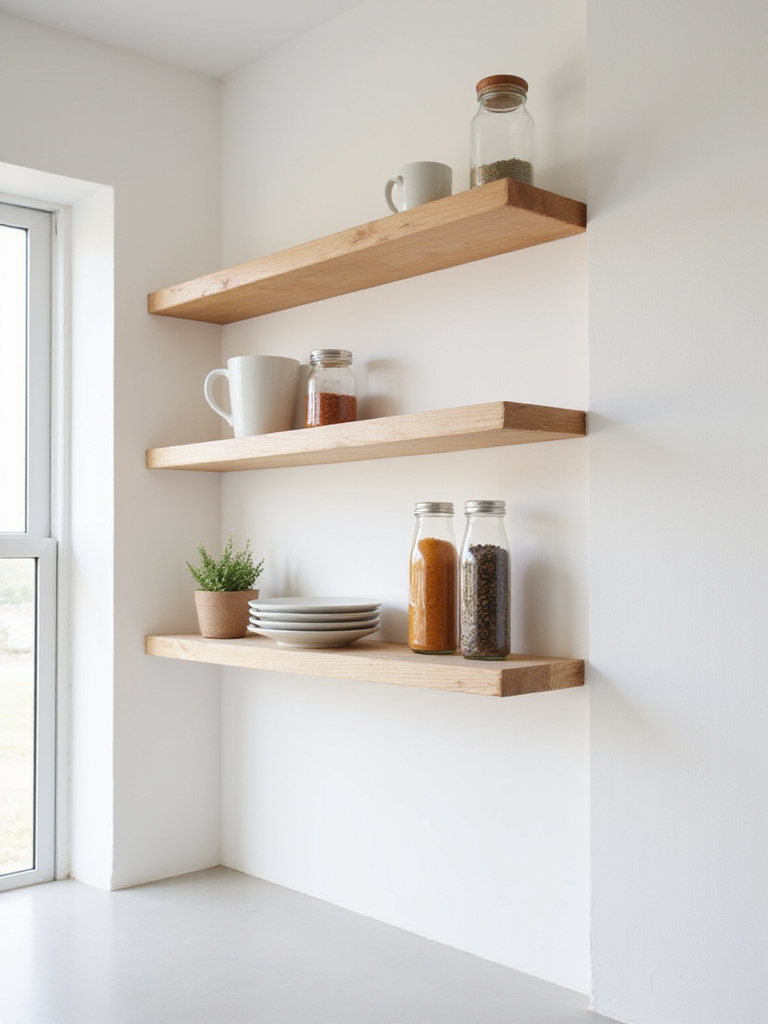
Curate your display by grouping similar items, leaving breathing room, and choosing pieces with harmonious colors or materials. Sustainable woods like bamboo or reclaimed timber add warmth while preserving clean lines.
- Cluster like items for visual unity
- Maintain negative space to avoid clutter
- Select complementary colors and textures
- Rotate seasonal items to refresh the look
Each object becomes a deliberate design element, elevating everyday kitchenware into a cohesive visual statement.
7. Layered Lighting: Crafting Ambiance Through Thoughtful Illumination
Lighting in minimalist kitchens transcends mere function, shaping mood and highlighting textures without adding visual noise.
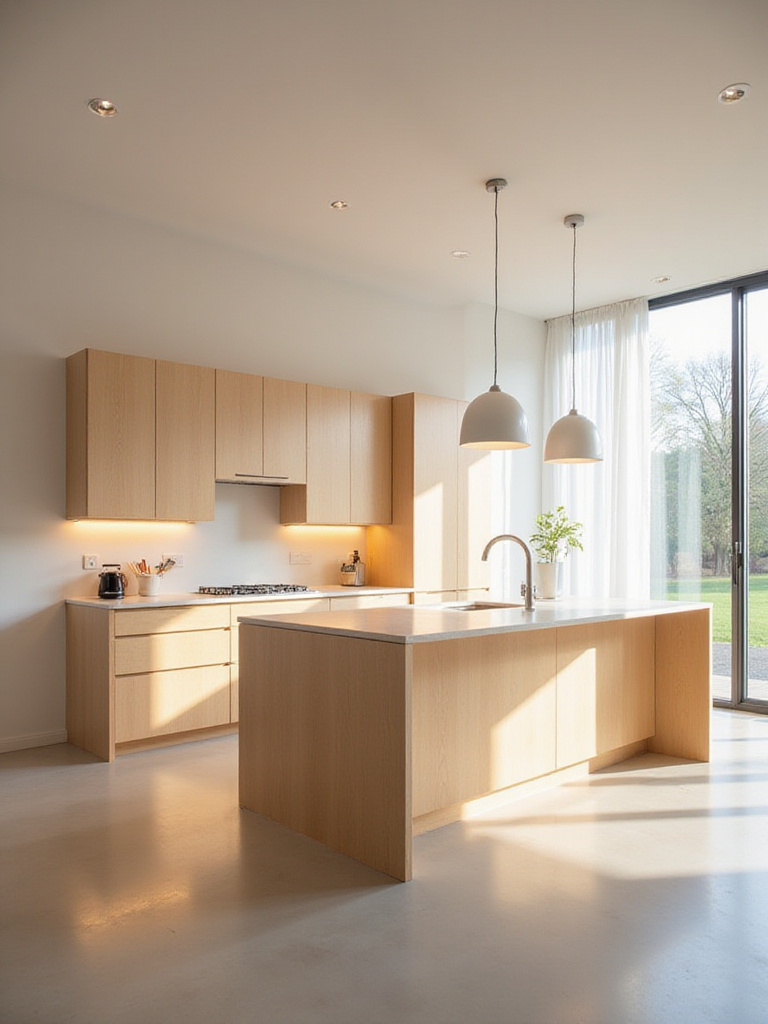
Combine recessed ambient lights with simple pendant fixtures over islands or dining areas. Under-cabinet lighting adds both practicality and a floating effect. Incorporate dimmers to adjust brightness from energizing mornings to relaxing evenings.
“Lighting in a minimalist kitchen should be as natural and unobtrusive as breathing-always present, perfectly tuned to your needs.”
By mimicking natural light patterns, your kitchen transitions seamlessly from day to night, preserving its tranquil atmosphere.
8. Functional Elegance: Select Decor That Serves Dual Purposes
In minimalist kitchens, decor should be both beautiful and practical, transforming everyday tools into design highlights.
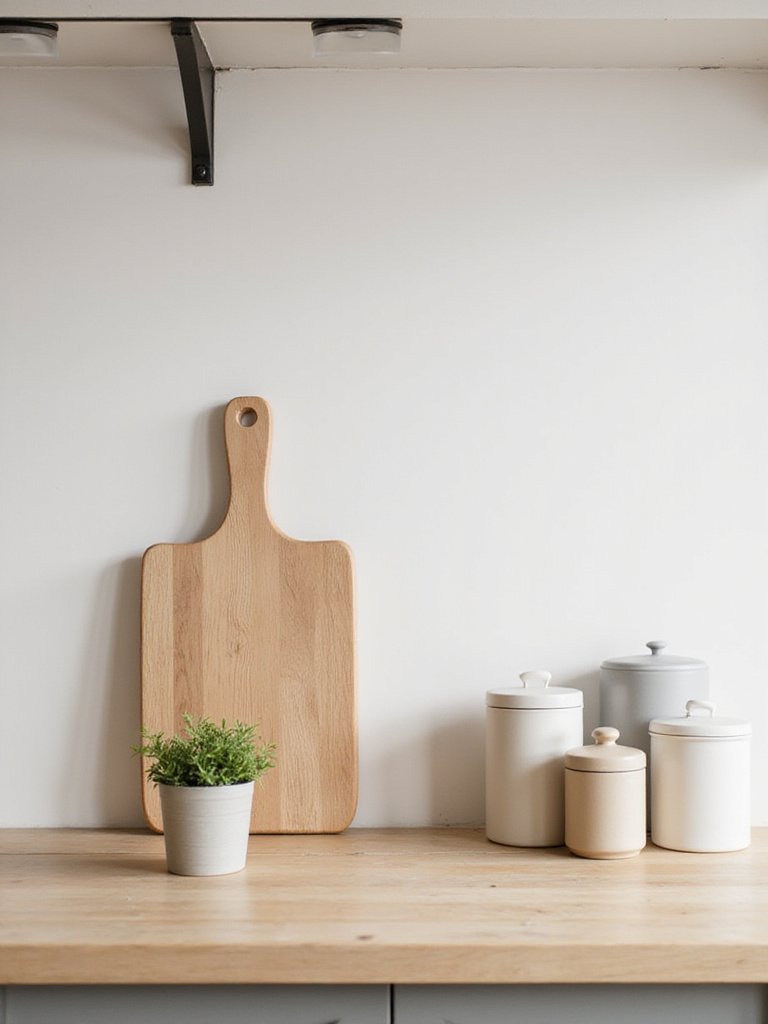
Examples include handcrafted wooden cutting boards that double as serving platters, hand-thrown ceramic bowls in neutral tones, and kitchen textiles that complement your color scheme. These items create harmony without sacrificing utility.
- Natural stone mortar and pestle as both tool and sculpture
- Copper or brass utensils that age gracefully
- Handwoven baskets adding texture and storage
- Glass containers that preserve freshness and display ingredients
By viewing your kitchen as a curated space where beauty meets function, you embody the true spirit of minimalist design.
9. Subtle Hardware: Choose Streamlined Fixtures for Visual Unity
Hardware in minimalist kitchens acts as understated punctuation-functional yet refined, enhancing the design without dominating it.
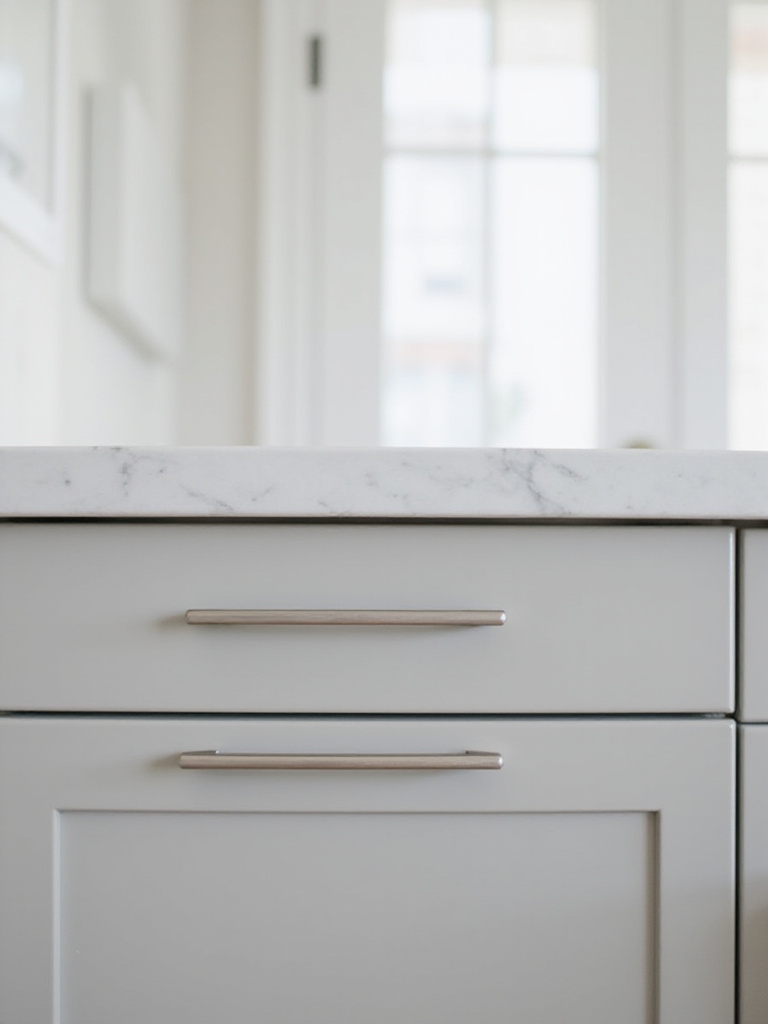
Consider natural materials like leather pulls that develop character, wooden knobs for warmth, or integrated handles milled into cabinetry for a seamless look. Consistency across all hardware choices is essential to maintain harmony.
“Hardware in a minimalist kitchen is like the perfect seasoning-enhancing the experience without drawing attention.”
Opt for durable, sustainably sourced materials to support both aesthetic and environmental goals.
10. Pantry Perfection: Use Matching Containers for Organized Elegance
Uniform jars and containers transform pantry chaos into a visually pleasing, efficient system.
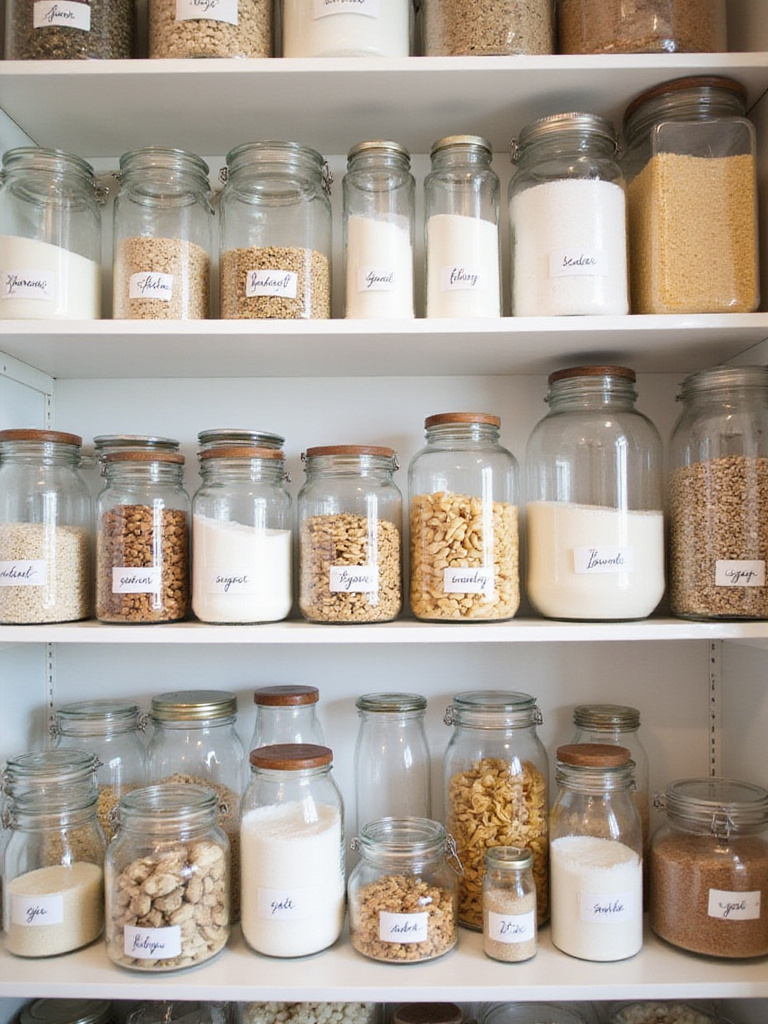
Clear glass containers allow quick inventory checks, reducing waste and unnecessary purchases. Amber glass protects light-sensitive ingredients, while wooden lids add warmth. Label consistently and choose stackable designs to maximize space.
- Match container sizes to your cooking habits
- Use cohesive labeling styles
- Group similar ingredients together
- Stack containers to optimize vertical space
This methodical approach enhances both form and function, embodying minimalist kitchen principles.
11. Vertical Vision: Maximize Space with Tall Storage Solutions
Utilizing vertical space is a sustainable way to expand storage without enlarging your kitchen footprint.
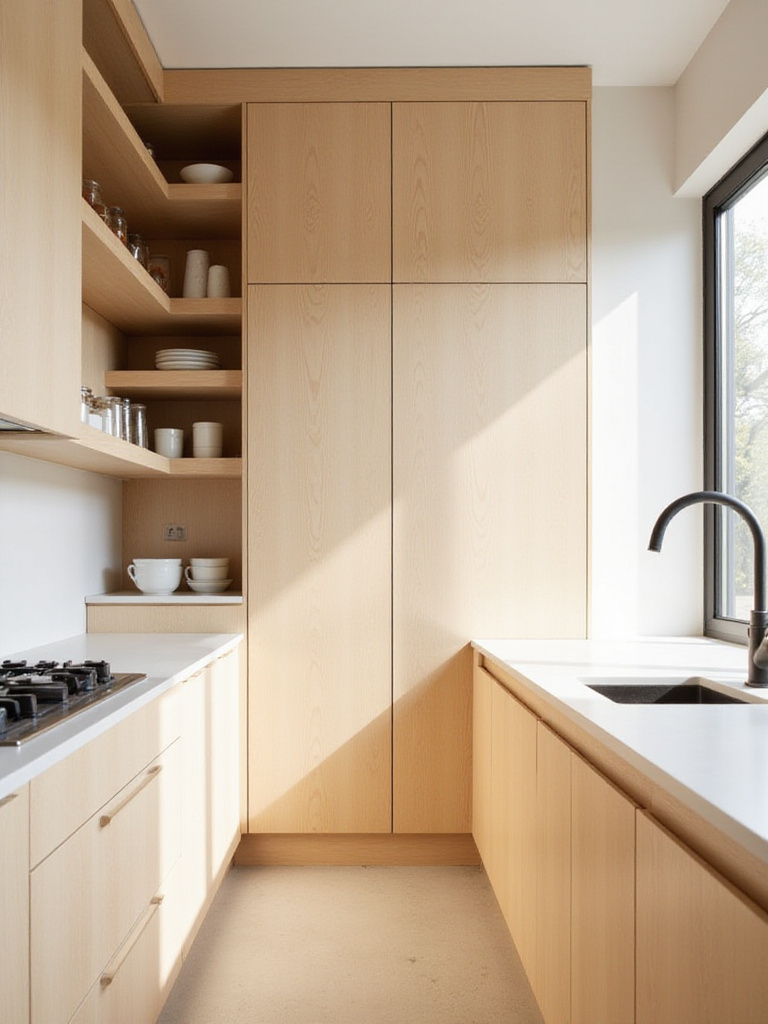
Floor-to-ceiling cabinets eliminate dust traps, magnetic knife strips free up counters, and vertical dividers organize baking sheets and cutting boards. Even cabinet sides can host slim pull-out pantries or towel racks. These strategies turn spatial constraints into design opportunities.
“Vertical thinking transforms kitchen limitations into elegant order.”
This three-dimensional approach aligns with contemporary minimalist ideals, enhancing both aesthetics and usability.
12. Multi-Functional Marvels: Furniture That Adapts to Your Needs
In compact kitchens, pieces that serve multiple purposes are invaluable, blending form and function seamlessly.
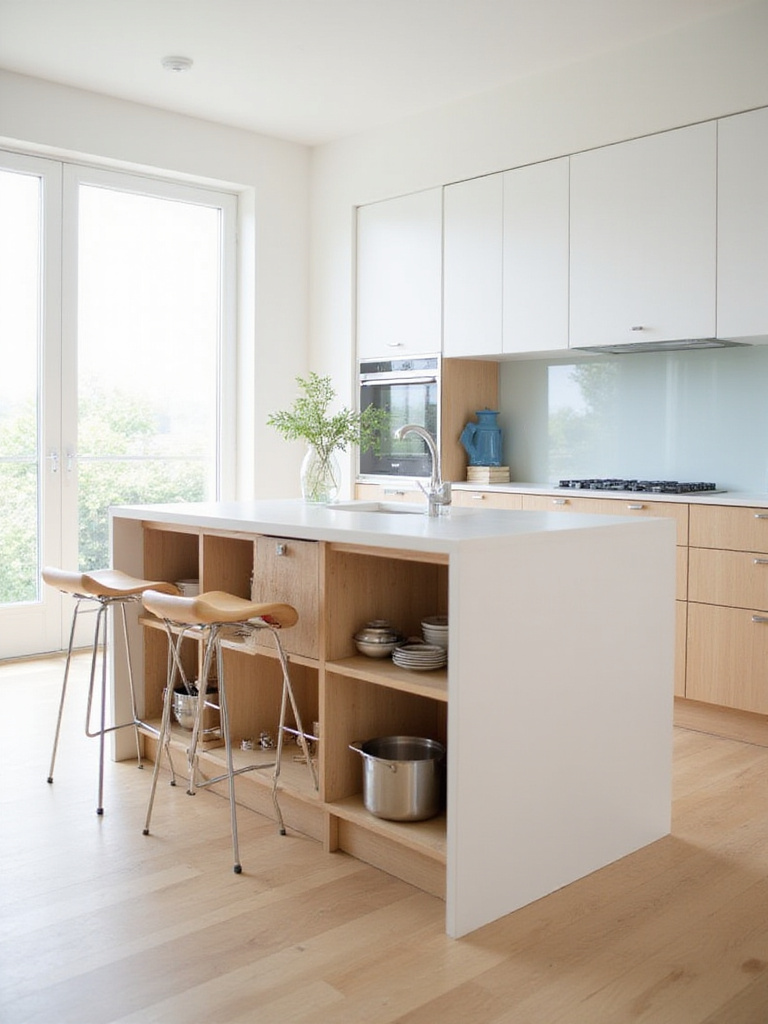
Examples include kitchen islands that double as dining tables, built-in benches with hidden storage, rolling carts for prep and serving, and fold-away wall tables. These adaptable elements reduce clutter and enhance flexibility without compromising minimalist aesthetics.
- Nesting tables for expandable dining
- Sink-overlapping cutting boards for extra prep space
- Adjustable-height surfaces for varied uses
- Modular seating arrangements
Each piece contributes to a cohesive, efficient kitchen that reflects minimalist values.
13. Organic Warmth: Integrate Natural Materials for Texture and Comfort
Minimalist kitchens need not feel sterile; natural materials introduce warmth and tactile richness while maintaining simplicity.
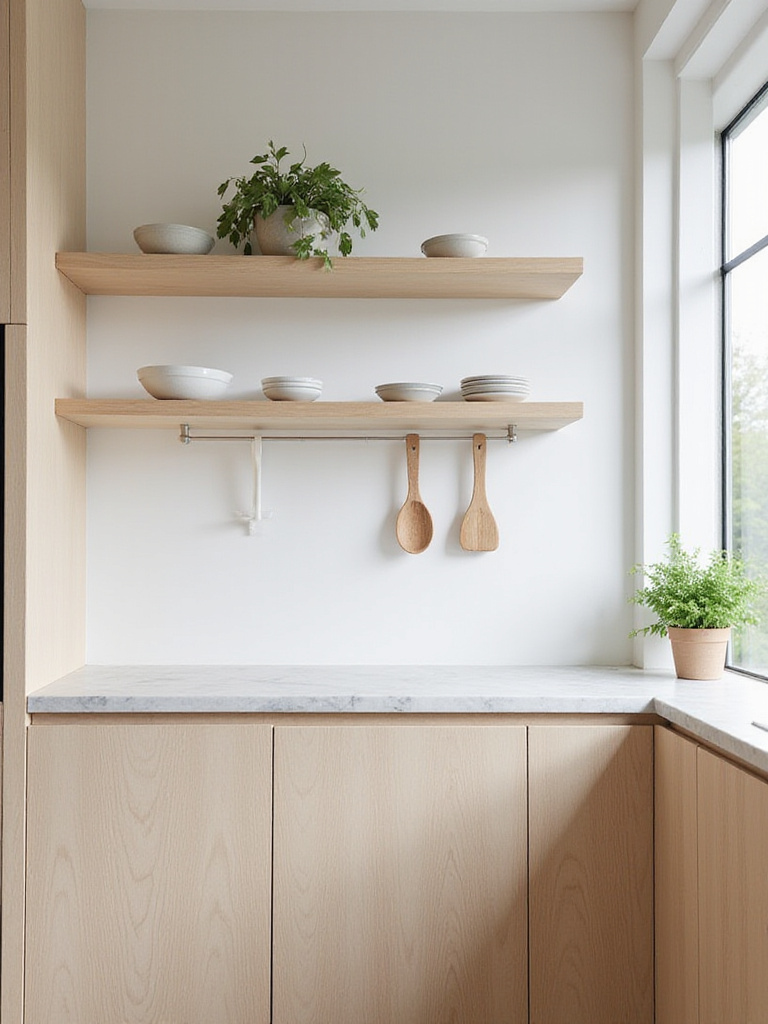
Incorporate FSC-certified woods, subtle-veined natural stones, handwoven neutral textiles, cork, or rattan. These materials age gracefully, developing character and supporting sustainable design through durability and responsible sourcing.
“Natural materials in a minimalist kitchen are like trusted companions-growing more beautiful and meaningful with time.”
This biophilic approach connects you to nature, enhancing well-being and aesthetic harmony.
14. Statement Lighting: Elevate Minimalism with Sculptural Fixtures
Lighting often serves as the primary decorative element in minimalist kitchens, combining form and function with restraint.
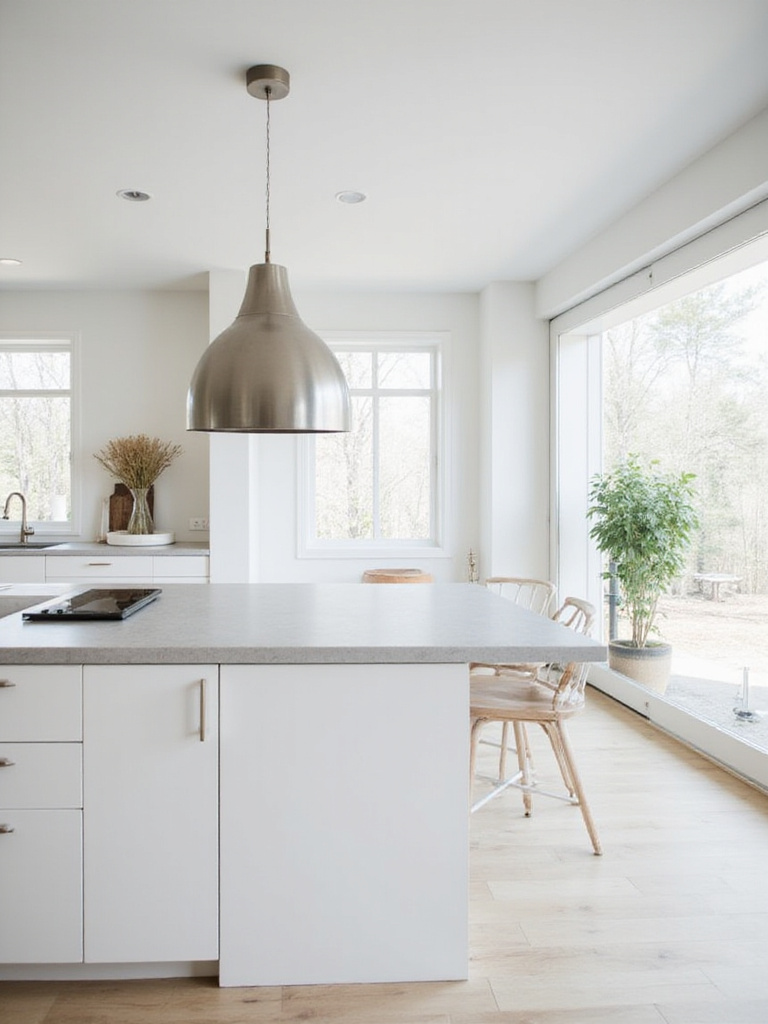
Choose fixtures with clean silhouettes inspired by natural shapes-globe pendants at varying heights, linear suspensions echoing island lines, or a bold oversized piece that anchors the room. Materials like handblown glass, brushed metal, or natural fibers add subtle texture without clutter.
- Place lighting to balance function and visual focus
- Opt for dimmable fixtures for mood flexibility
- Match fixture scale to room size
- Invest in durable, timeless designs
Architectural minimalism paired with thoughtful lighting creates focal points that enhance serenity.
15. Intelligent Storage: Streamline Workflow with Smart Solutions
Smart storage transforms kitchens by anticipating needs and optimizing accessibility, elevating both appearance and efficiency.
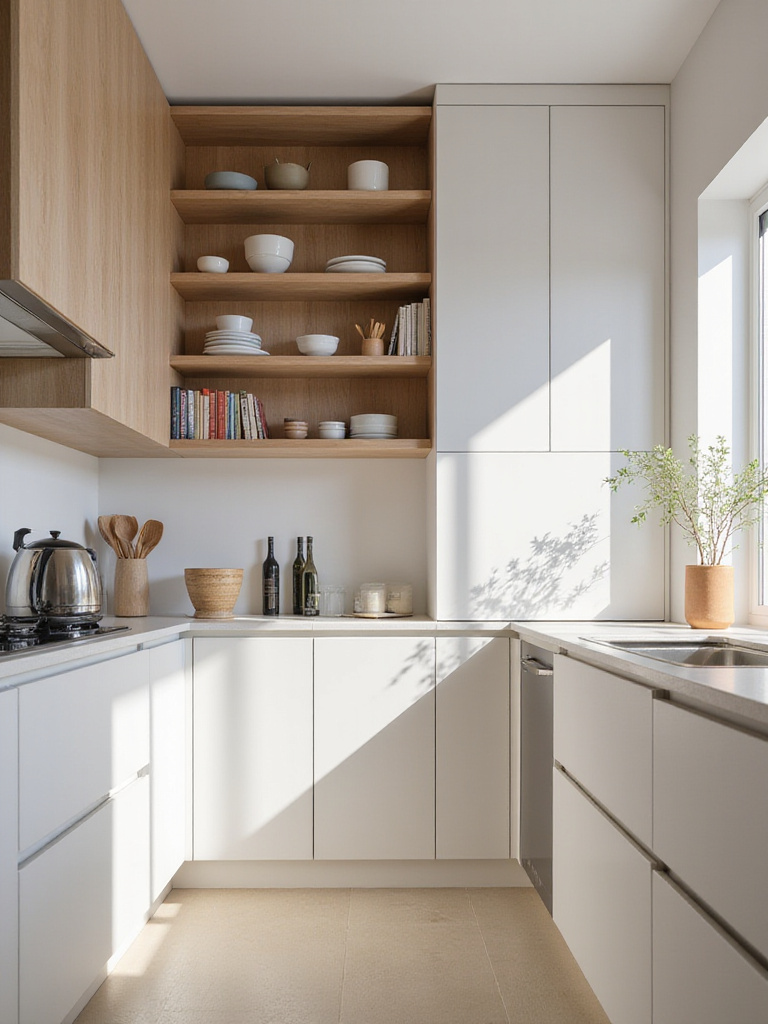
Custom drawer dividers, pull-out shelves, integrated knife blocks, and specialized spice organizers streamline cooking. Cooling drawers reduce countertop clutter, and grouping items by use or cuisine enhances efficiency.
“True luxury in a minimalist kitchen is having everything exactly where you need it, precisely when you need it.”
These systems reduce waste and duplicate purchases, supporting sustainable minimalist living.
16. Drawer Declutter: Organize Hidden Spaces for Maximum Impact
Internal organization is as vital as visible order. Regularly decluttering drawers and cabinets ensures your kitchen functions smoothly.
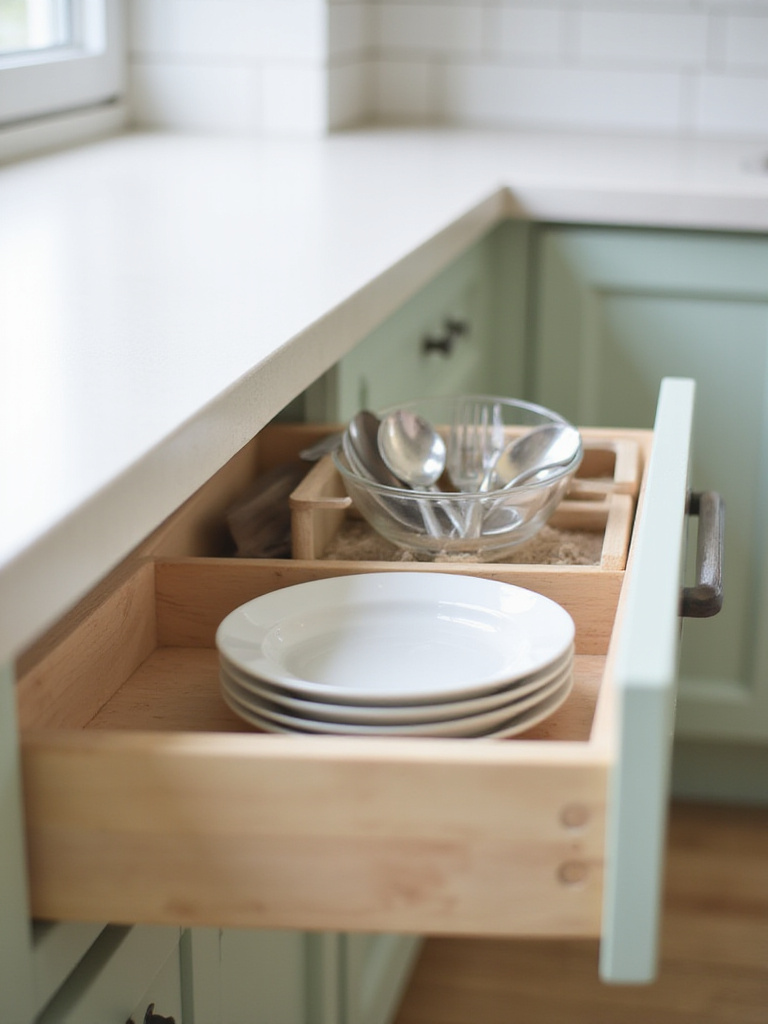
Empty, clean, and categorize contents. Donate duplicates and unused items. Use organizers made from sustainable materials like bamboo or recycled plastics to maintain order and prevent chaos.
- Adopt a “one in, one out” policy for kitchen tools
- Store seasonal items elsewhere
- Group similar items logically
- Review organization quarterly
Hidden order supports the overall minimalist kitchen experience.
17. Simplified Backsplashes: Choose Clean, Durable Surfaces
Minimalist backsplashes rely on material quality and subtle detailing rather than ornate patterns.
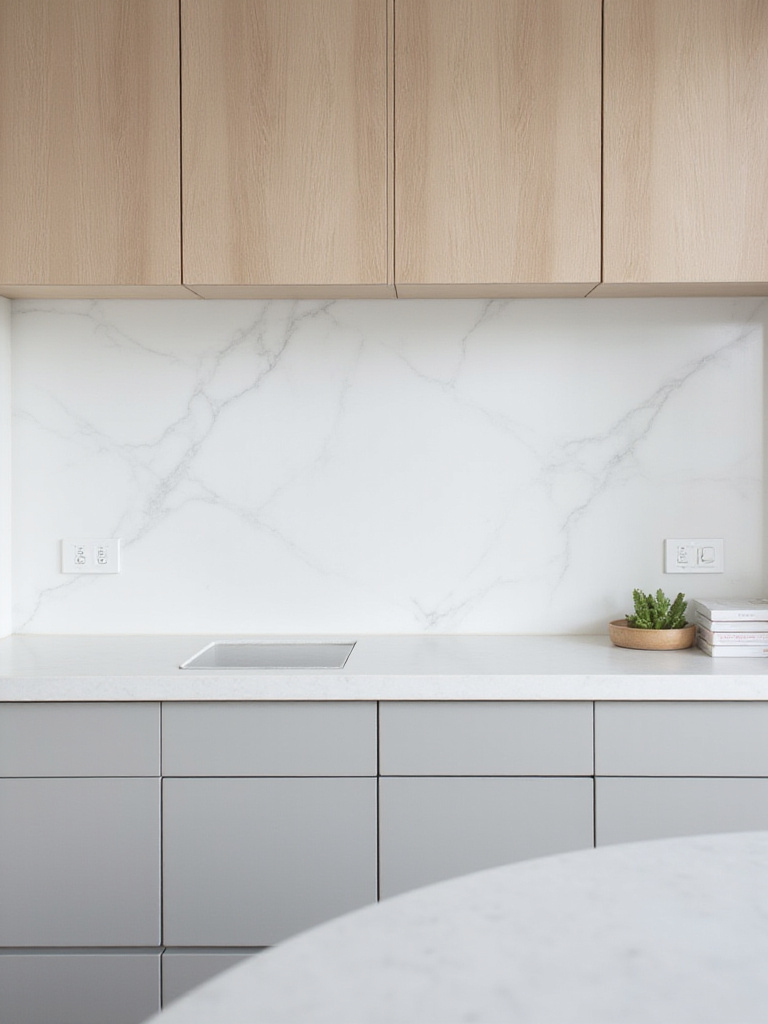
Large-format tiles or slabs with minimal grout lines, honed marble, textured glass, or concrete finishes create clean planes that complement countertops and cabinetry. Extending countertop material up the wall offers seamless continuity.
“A minimalist backsplash is like background music-enhancing without demanding attention.”
Choose natural, long-lasting materials to support sustainability and timeless style.
18. Streamlined Sinks and Faucets: Functional Elegance in Every Detail
Modern minimalist kitchens favor sinks and faucets that emphasize clean lines and practical design.
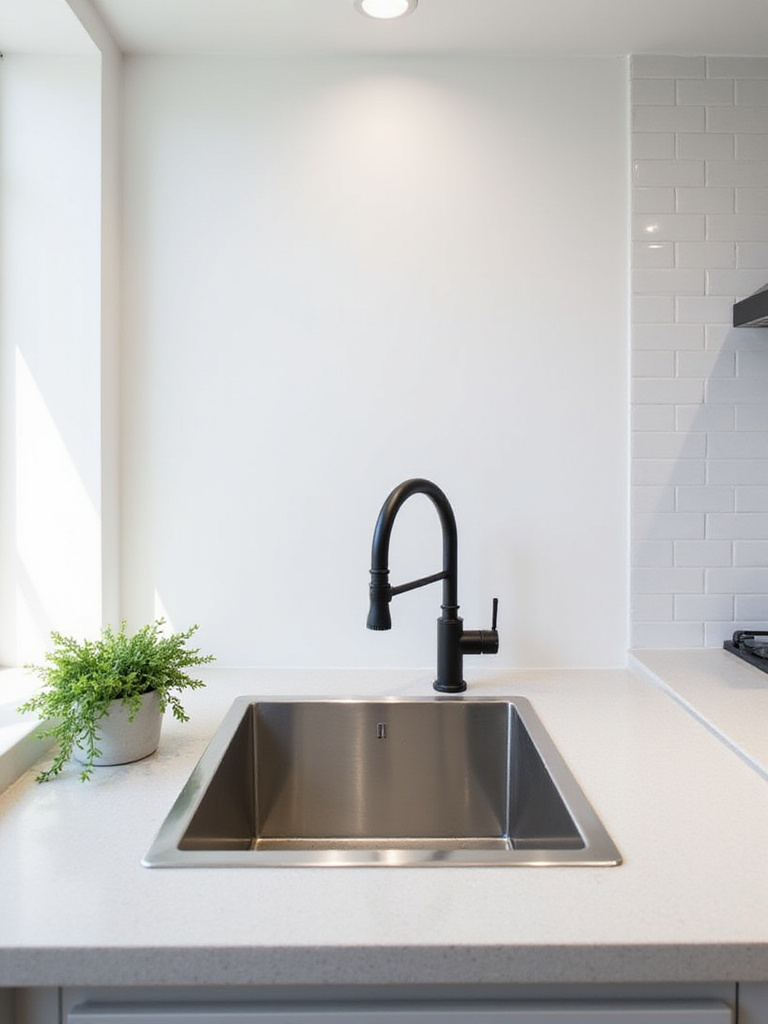
Undermount single-bowl sinks, integrated countertop sinks, and faucets with pull-down sprays or touch activation combine style with ease of use. Finishes should harmonize with your palette, and features like ceramic disc valves ensure longevity.
- Match finishes to overall kitchen tones
- Consider wall-mounted faucets for easier cleaning
- Choose deep sinks to conceal dishes
- Prioritize durable, easy-to-maintain models
These fixtures maintain their beauty and function over years of use.
19. Discreet Ventilation: Seamless Range Hood Integration
Modern range hoods blend efficiency with minimalist aesthetics, often concealed within cabinetry or ceiling-mounted to preserve clean lines.
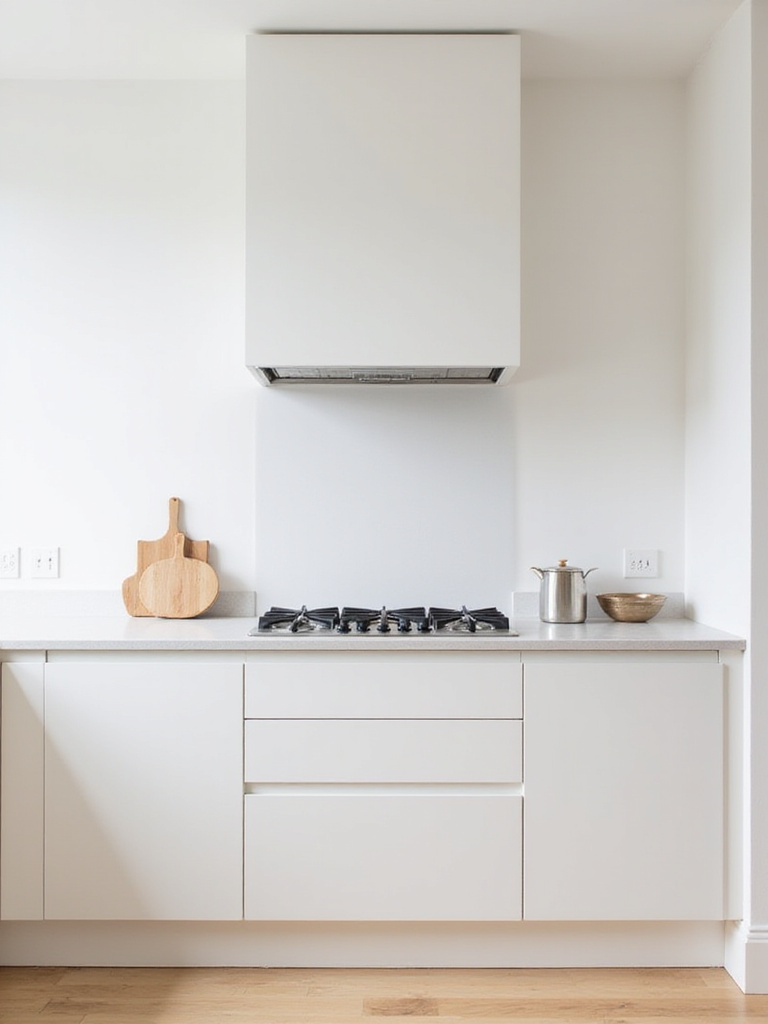
Options include custom cabinetry enclosures, downdraft systems for islands, and low-profile designs with quiet operation. Select models with appropriate airflow (CFM) and energy-efficient features like LED lighting and programmable settings.
“The best range hood is one you barely notice-until your kitchen smells fresh and clean.”
Energy-efficient ventilation supports both design and environmental goals.
20. Essential Toolkit: Curate Cookware and Utensils for Maximum Efficiency
Minimalism in the kitchen means owning fewer, higher-quality tools that serve multiple purposes.
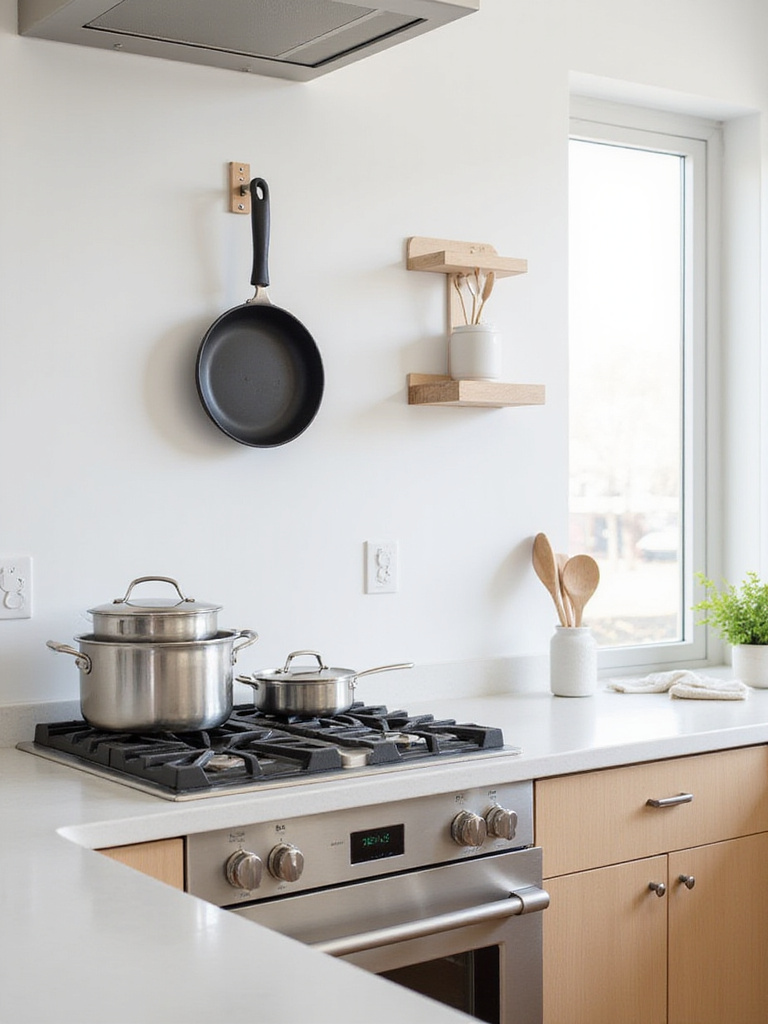
Focus on what you cook regularly. Invest in versatile, durable items like a chef’s knife, nesting cookware sets, and wooden utensils with simple designs. This approach reduces clutter and enhances satisfaction.
- Choose multi-use tools
- Opt for nesting sets to save space
- Prioritize quality over quantity
- Maintain visual cohesion if tools are displayed
Combine functionality with understated beauty for a harmonious kitchen toolkit.
21. Hidden Hygiene: Integrate Waste Management for a Clean Look
Waste and recycling bins can be seamlessly incorporated into cabinetry, maintaining minimalist aesthetics while improving functionality.
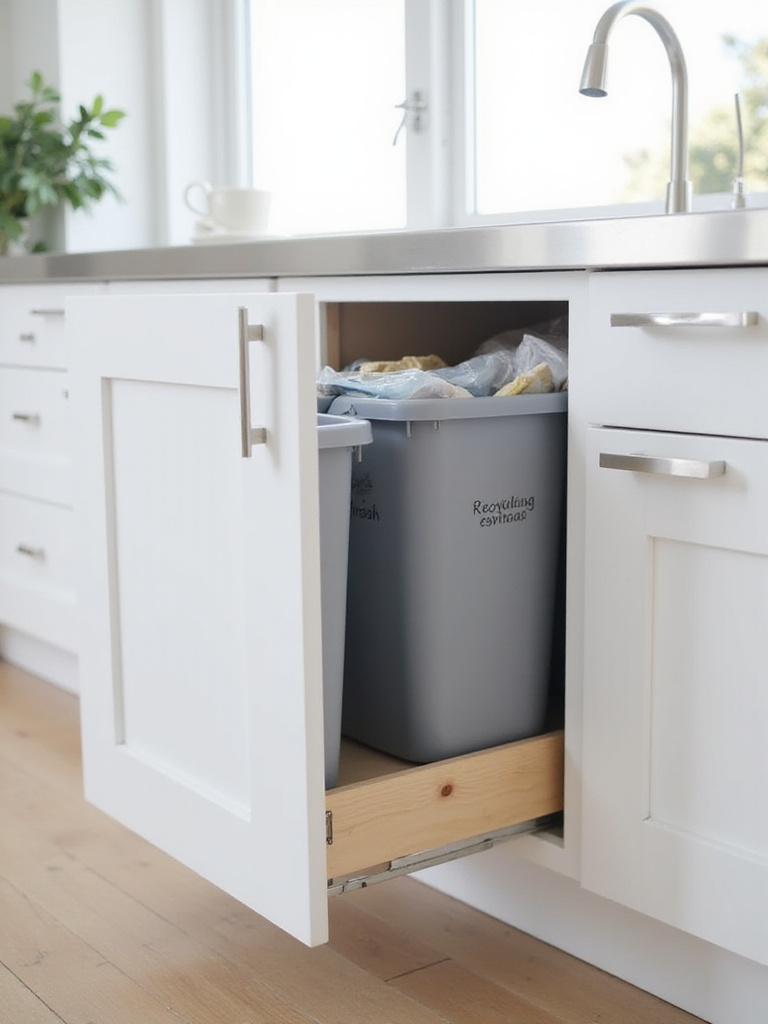
Pull-out systems with separate compartments for trash, recycling, and compost simplify sorting. Soft-close mechanisms protect cabinetry, and ventilated compartments accommodate organic waste. Choose sizes that fit your household’s needs.
“Successful minimalism is as much about what’s hidden as what’s seen.”
Effortless waste management supports both environmental responsibility and design integrity.
22. Living Elements: Bring Nature Indoors with Kitchen Plants
Incorporating plants adds life, movement, and air-purifying benefits to minimalist kitchens without cluttering the space.
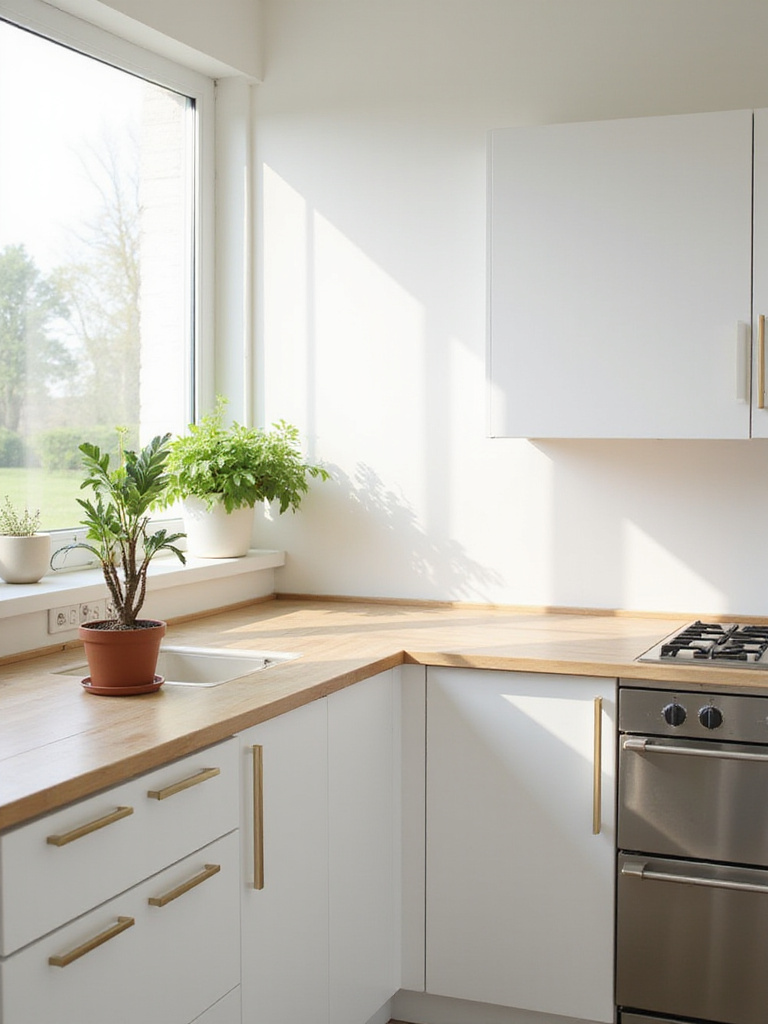
Choose low-maintenance plants like snake plants, trailing pothos, or kitchen herbs in simple containers that complement your design. Group plants with similar care needs and consider edible varieties for added function.
- Select pots that match kitchen finishes
- Group plants by watering requirements
- Incorporate herbs for culinary use
- Use plants to soften sharp lines without adding clutter
These living accents enliven your kitchen, balancing order with organic vitality.
Final Thoughts
Exploring these 22 minimalist kitchen strategies reveals that minimalism is not about deprivation but about purposeful design and mindful living. Clearing clutter frees mental space; choosing quality over quantity fosters sustainability and satisfaction.
Minimalist kitchens offer a refuge from complexity, blending beauty and function in harmony. Whether you adopt a few ideas or embrace them all, each step toward minimalism creates room-physically and mentally-for what truly matters.
Remember, minimalism is personal. Your kitchen should reflect your lifestyle, cooking habits, and aesthetic preferences. Success lies not in emptiness but in how well your space supports your daily life and aspirations.