24 Stunning Bedroom Furniture Ideas to Transform Your Space into a Dreamy Retreat

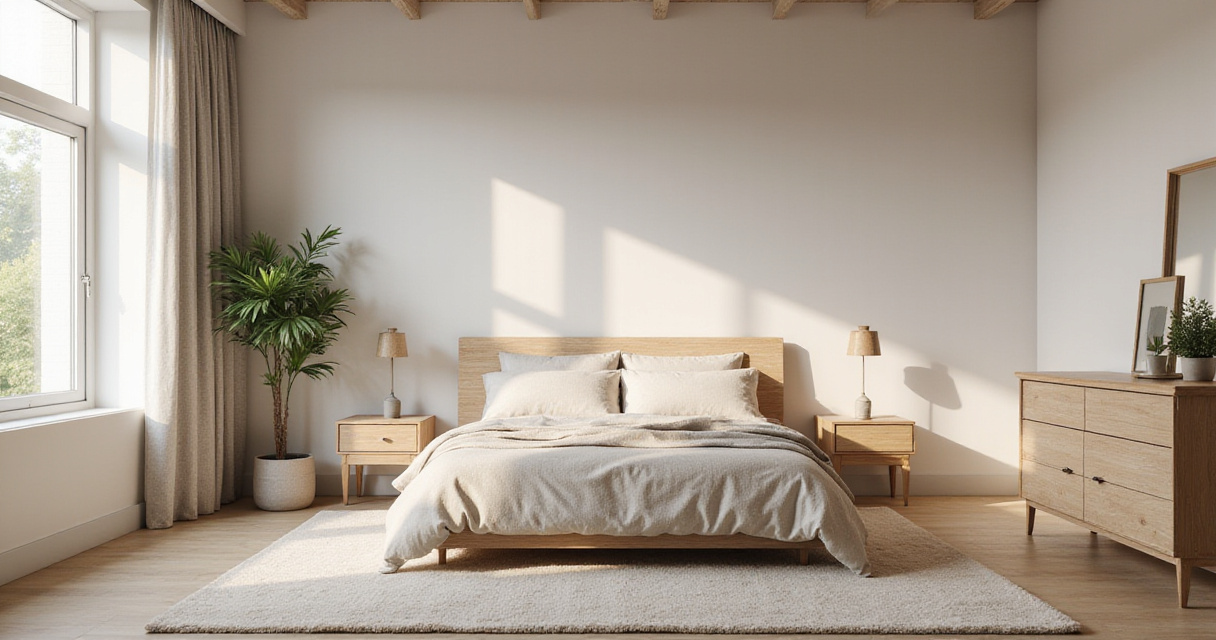
Imagine waking up not to a blaring alarm, but to the soft sway of palm fronds brushing against your expansive sliding glass doors. The air is crisp and invigorating. Sunlight filters gently through, casting playful patterns on a floor crafted from reclaimed wood, while your feet sink into a plush jute rug. The entire room seems to breathe in harmony with you. This isn’t a luxury resort in Bali-it’s your personal haven.
When you asked how to achieve this, the answer goes beyond mere purchases. It’s about cultivating an atmosphere. Many guides hand you endless shopping lists, but here, I offer a mindset. Disregard fleeting trends and sterile designs. Your bedroom should be a sanctuary that reflects your essence-a nurturing space that reconnects you with nature.
Let’s embark on this journey, beginning with the essentials.
Crafting Your Ideal Bedroom Blueprint: The Essentials
Skipping the planning phase is tempting, but investing a few minutes here can save months of frustration. This stage sets the tone for a room that not only looks stunning but feels perfectly attuned to you. It’s about harmonizing flow, energy, and tranquility before a single item is placed.
1. Precision in Measuring Your Space
Measuring might seem tedious, but it’s the cornerstone of thoughtful design. Recently, a client in Chelsea tried to fit a bulky, dark walnut four-poster bed into a modest room without measuring. The result? A cramped, gloomy space that swallowed all natural light. They ended up spending a small fortune to return it. Avoid this pitfall by using a physical measuring tape to capture every dimension-walls, windows, door swings, and even the height of window sills.
Remember, the luxury lies not in oversized furniture but in the breathing room around it. Aim for at least 75cm clearance along main walkways to ensure smooth movement. Don’t overlook radiators, baseboards, or light switches. A practical tip: use painter’s tape to outline furniture footprints on the floor and live with it for a day to gauge comfort and flow.
2. Discover Your Authentic Style
Let’s move past the buzz of “trending” styles. Your bedroom is a lifelong retreat, not a fashion statement. When clients ask about their style, I encourage them to focus on the emotions they want to evoke-peace, energy, warmth-rather than labels like “bohemian” or “minimalist.”
Look inward for inspiration. Open your wardrobe: what colors and textures do you gravitate towards? Recall your favorite travel experience-was it a serene lakeside cabin or a vibrant urban loft? These clues form your design palette. Create a curated Pinterest board, but be selective-pin only spaces that make you feel relaxed and at ease. Notice recurring themes like natural light, organic materials, or plush fabrics. This becomes your design compass.
In one project, I designed a technically flawless room for a novelist, but it felt sterile. We replaced half the decor with his personal book collection, vintage leather chairs, and cherished artwork. The space instantly transformed into a warm refuge. The takeaway? Your bedroom should narrate your story, not mine.
3. Curate Your Existing Furniture
Before acquiring new pieces, critically assess what you already own. Walk through your bedroom and evaluate each item: does it serve your vision? Does it spark joy? That bulky dresser passed down through generations might hold memories, but if it overwhelms the room, it’s time to reconsider.
Adopt the “Keep, Transform, or Let Go” approach. Keep what you love and what fits. Transform sturdy pieces with eco-friendly paint or new hardware-like turning a dated cabinet into a chic focal point with a soft matte finish and brass knobs. Release the rest by selling, donating, or gifting. This creates space for meaningful additions.
This method isn’t just sustainable; it’s a smart foundation for intentional living. Resist the urge to fix problems by buying more. True luxury is thoughtful curation.
4. Establish a Thoughtful Budget
Budgeting isn’t about limitation-it’s a creative framework that guides your choices. Without it, you might splurge on a dazzling chandelier but skimp on a quality mattress, which is vital for your health and comfort.
Determine your spending capacity and prioritize accordingly. Allocate the largest portion to daily essentials like your mattress, bedding, and drawer hardware. Investing in a premium organic mattress can enhance sleep quality for years, while trendy decor fades quickly.
Remember, you don’t need to furnish everything at once. Build your bedroom gradually, starting with timeless “forever pieces” such as the bed and storage, then layer in accessories as your budget allows. Your bedroom is a living project, not a one-time purchase.
Translating Vision into Reality: Layout and Functionality
With clarity on your style and budget, it’s time to bring your vision to life through smart spatial planning. This step ensures your room is as practical as it is beautiful.
5. Draft Your Layout for Optimal Flow
No architectural degree required-grab graph paper or use an online tool to sketch your room. This visual playground lets you experiment without heavy lifting. For example, placing a dresser might block closet doors or disrupt pathways.
Position your bed on a solid wall facing the entrance to create a welcoming focal point. Arrange other furniture to maintain clear walkways and support daily routines like dressing or reading. The layout should facilitate effortless movement.
In a project in Notting Hill, a client insisted on placing her bed beneath a large bay window. While picturesque, it caused drafts and glare, and windows couldn’t open fully. Moving the bed to the opposite wall balanced the room and improved functionality dramatically. Remember: aesthetics must serve practicality.
6. Opt for Multi-Purpose Furniture, Especially in Compact Spaces
Single-function furniture is outdated, especially in smaller rooms. Each piece should pull double duty. For instance, a bench at the foot of the bed can store linens and provide seating. Nightstands can double as writing desks. Platform beds with built-in drawers maximize storage without bulk.
Steer clear of cheap, gimmicky multi-functional items. Invest in well-crafted pieces where functionality blends seamlessly with design. Look for clean lines and concealed mechanisms that whisper elegance rather than shout utility.
Choosing and Positioning Essential Bedroom Furniture
Now comes the exciting part: selecting the core furniture that shapes your room’s character. Prioritize natural materials, quality craftsmanship, and pieces that resonate with your story. This approach fosters comfort and a toxin-free environment.
7. Select a Bed Frame That Breathes Life
The bed frame anchors your space visually and energetically. Avoid heavy, overpowering designs. Instead, choose lightweight, natural materials like reclaimed teak or sustainable mango wood for a grounded yet airy feel. Upholstered headboards in organic linen or cotton add softness and warmth.
I favor rattan and bamboo for their tropical charm and sustainability. They create captivating light patterns and a relaxed vibe. Early in my career, I specified a sleek metal frame for a modern look, but clients found it cold. Switching to a handcrafted oak frame with a woven headboard softened the ambiance instantly. The bedroom is a sanctuary, not a gallery.
8. Invest in a Mattress Foundation That Supports Your Health
Many splurge on mattresses but neglect the foundation, undermining their investment. A mattress needs a sturdy, breathable base or slats spaced no more than 7cm apart to prevent sagging and promote airflow. Poor foundations shorten mattress life and risk mold growth.
Always follow manufacturer recommendations or choose a solid platform made from untreated, FSC-certified wood. This sustainable choice supports your mattress and well-being. Don’t compromise here.
9. Rethink Nightstands as Expressions of Personality
Nightstands offer a chance to inject character. Avoid matching sets that make the room feel generic. Think of them as complementary accessories rather than identical twins. Consider unique options like a stack of art books, a vintage stool, or a floating shelf made from live-edge wood.
Ensure the height aligns with your mattress top and provides space for essentials-a glass of water, a book, a small plant. In one project, replacing bulky nightstands with floating walnut shelves freed floor space and introduced organic warmth with minimal effort.
10. Choose Storage That Soothes Rather Than Clutters
Storage should be understated yet effective, containing belongings while reducing visual noise. Select pieces scaled appropriately to your room and needs. A dresser with louvred doors, inspired by tropical design, allows airflow and adds subtle texture.
Prioritize sustainable woods and craftsmanship, such as dovetail joints. Assess your storage needs carefully-do you require more hanging space or drawers? Deep or shallow? A beautiful armoire that can’t accommodate your wardrobe is a costly mistake.
Arranging Furniture for Harmony and Flow
With your key pieces selected, focus on placement to foster a cohesive, balanced environment. This stage is about relationships-between objects and between you and your space.
11. Maximize Natural Light and Airflow
Arrange furniture to highlight your room’s natural assets. Avoid blocking windows or creating stagnant air pockets. Aim for an open, airy layout that feels alive and inviting.
Position your bed to enjoy gentle morning light without glare. Ensure clear paths from door to bed and bed to closet. High-end wellness retreats excel at this, creating spaces that promote calm through unobstructed movement.
“True luxury lies not in accumulation, but in subtraction. Space, light, and air are the ultimate indulgences.”
This philosophy transcends practicality, enhancing your well-being by allowing energy to flow freely.
12. Create Material Harmony
A unified bedroom isn’t about matching everything but about blending materials in a balanced dialogue. Think of it like composing a gourmet dish-complementary and contrasting flavors create depth.
Use the “Rule of Three”: select a dominant material (e.g., warm oak), a secondary texture (linen for curtains and headboard), and an accent (aged brass or matte black metal in fixtures). This layering crafts a sophisticated yet cohesive palette.
Don’t fear mixing woods. Pair warm tones (oak, teak, mahogany) together and cool tones (ash, maple, grey-washed pine) together to maintain harmony.
Infusing Personality and Atmosphere with Accents
With the foundation in place, it’s time to add sensory layers-lighting, comfort, and personal touches-that transform your room into a soulful retreat.
13. Layer Lighting to Set the Mood
Say goodbye to harsh overhead lights. Your bedroom lighting should be versatile and warm, catering to different activities: ambient for relaxation, task for reading, and accent for highlighting art.
Start with a pendant light crafted from natural materials like raffia or capiz shells for a soft glow. Add wall sconces beside the bed to free nightstand space. A floor lamp can create a cozy reading corner. Most importantly, install dimmers to control light intensity and set the perfect mood.
Choose warm bulbs (~2700K) that mimic golden hour light, promoting calm. Avoid cold, blue-toned lights that disrupt relaxation.
14. Designate a Dedicated Relaxation Nook
Your bedroom should be more than a sleeping area. If space allows, carve out a small corner for quiet activities like reading, meditation, or sipping tea. This creates a psychological boundary between rest and relaxation.
A comfy armchair with a reading lamp, a pouf, or floor cushions can define this zone. Add a soft throw and a small side table to invite lingering.
A client, a busy executive, transformed a neglected corner into a “digital-free zone” with a chaise lounge and plants. This became her nightly ritual for unwinding and disconnecting from work.
15. Personalize with Meaningful Objects
Fill your room with items that tell your story. Avoid generic decor; instead, showcase souvenirs, handmade crafts, or cherished photographs. These elements infuse warmth and authenticity.
Group items into curated vignettes-combine a framed photo, a scented candle, a small organic object like driftwood, and a decorative tray. Vary heights and textures for an intentional, artful display.
16. Use Mirrors to Enhance Light and Space
Mirrors amplify natural light and create a sense of spaciousness, but placement is key. Ensure they reflect something beautiful-a window view, artwork, or warm lighting-not clutter or unappealing walls.
Position a large floor mirror opposite a window to double sunlight and bring the outdoors inside. Opt for simple frames or frameless designs to maintain an uninterrupted illusion of space.
Final Touches: Textures, Walls, and Seasonal Care
Now, add the finishing layers that engage your senses and complete your personal retreat.
17. Incorporate Natural Textiles
Textiles add softness, absorb sound, and provide tactile comfort. Choose natural fibers like linen, organic cotton, wool, and jute for breathability and sustainability.
Start with a large jute or wool rug that extends under your bed and beyond. Avoid small “floating” rugs that shrink the room visually. Use unlined linen curtains to filter light and add movement.
Layer your bedding with organic cotton duvets, chunky wool throws, and linen pillows to create a luxurious, sensory experience reminiscent of boutique hotels but eco-friendly.
18. Let Your Walls Tell Your Story
Walls are a canvas for personality. Instead of generic prints, create a gallery mixing framed photos, woven textiles, pressed botanicals, or vintage maps. This tapestry tells your unique story.
Alternatively, a large-scale artwork can serve as a striking focal point. For subtle texture, consider grasscloth or linen wallpaper behind the bed, adding warmth without overwhelming.
Expert Tips for Longevity and Functionality
Your bedroom is stunning-now ensure it remains functional and fresh for years.
19. Maximize Vertical Storage
When floor space is tight, think upward. Tall, narrow bookcases or armoires draw the eye up, creating an illusion of height and spaciousness.
Open shelving allows display of curated objects and plants, enhancing air quality and connection to nature. Always secure tall furniture to walls for safety.
20. Master Concealed Storage Solutions
Clutter-free bedrooms rely on hidden storage. A storage bench or ottoman at the foot of the bed offers seating and ample space for blankets and essentials.
Choose nightstands with drawers and beds with built-in storage to keep surfaces clear, fostering calm and order.
21. Revitalize Vintage Furniture
Breathing new life into old pieces adds character and sustainability. Solid wood furniture with good structure can be transformed with eco-friendly paint and updated hardware.
The contrast between classic shapes and modern finishes creates stunning, unique pieces that carry personal history and energy.
22. Create a Dedicated ‘Moment’ Space
Designate a small area for focused activities like reading or working. A comfortable chair, good lighting, and a small table can transform a corner into a sanctuary for quiet reflection or productivity.
For workspaces, opt for slim desks and wall shelves to save space. This integration elevates your bedroom into a multifunctional retreat supporting rest, creativity, and calm.
Preserving Your Sanctuary: Care and Seasonal Refreshes
Maintaining your bedroom’s beauty and function requires mindful care and seasonal updates.
23. Understand Material Care
Different materials demand specific care. Dust wooden furniture with a soft cloth and avoid harsh chemicals-natural mixtures like olive oil and vinegar work wonders. Vacuum linen and cotton upholstery regularly, blot spills promptly, and never soak jute or seagrass rugs.
Creating care cards for each piece helps extend their lifespan, turning purchases into cherished heirlooms.
24. Refresh Your Space with the Seasons
Keep your bedroom dynamic by adapting it throughout the year. In warmer months, swap heavy throws for light linens, add fresh flowers, and use lighter cushion covers. In colder seasons, reintroduce chunky knits, plush rugs, and warm scents to create a cozy atmosphere.
This simple ritual connects you to nature’s rhythms and ensures your sanctuary remains inviting and nurturing year-round.
Your Personal Retreat Awaits
Transforming your bedroom into a dream sanctuary isn’t about ticking boxes or splurging on trends. It’s a mindful journey of discovering your vision and manifesting it with intention, quality, and reverence for natural materials. It’s about crafting a space that feels alive-a true extension of yourself that soothes your mind, rejuvenates your body, and nurtures your soul daily.
Begin your transformation today-you deserve a sanctuary that reflects your essence.