
Top 10 Paints for Metal Window Frames in 2025: Your Ultimate Guide to Durable, Long-Lasting Protection!

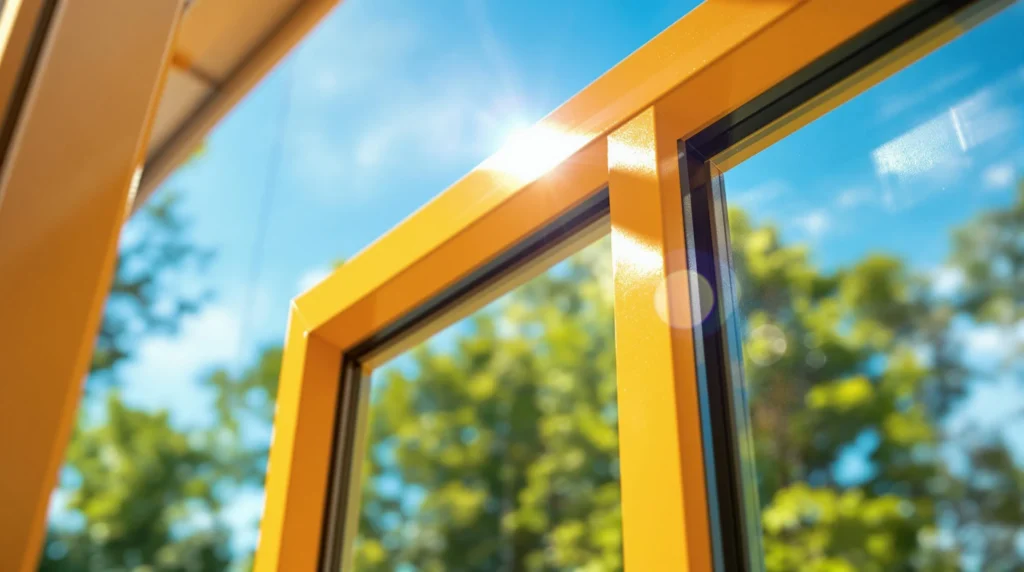
Thinking about giving your metal window frames a fresh new look? Selecting the perfect paint goes beyond just picking a color-it’s about safeguarding your frames, ensuring long-lasting durability, and enhancing your home’s overall charm.
Painting metal window frames demands careful consideration. Using unsuitable paint can cause peeling, rust, and expensive repairs later on. That’s why we’ve thoroughly evaluated numerous products to present the top paints for metal window frames in 2024. From rust-preventive primers to weatherproof coatings, this guide will help you choose the ideal paint tailored to various metals and environmental challenges.
Metal Window Frames: Materials Overview and Painting Essentials
Understanding the type of metal your window frames are made from is crucial before selecting paint. Each metal demands specific paint properties to guarantee strong adhesion, protection, and longevity.
Popular Metal Window Frame Types
Aluminum is widely favored for its lightweight and corrosion-resistant qualities. While it doesn’t rust, aluminum can develop oxidation, leaving a powdery surface that must be cleaned before painting. Steel frames, known for their robustness and security, are common in both vintage and industrial-style homes but are prone to rust if their protective layers are damaged. Galvanized steel, coated with zinc, offers enhanced rust resistance but requires paints formulated to adhere to its slick finish. Bronze and copper frames add a touch of elegance and develop unique patinas over time, necessitating specialized paints to either preserve or alter this natural aging. Wrought iron, often found in historic or ornamental settings, demands strong rust protection due to its vulnerability to corrosion.
Why Using Specialized Paints for Metal Matters
Regular paints designed for walls or wood typically fail on metal surfaces, leading to peeling, cracking, or bubbling within months. Paints formulated specifically for metal include adhesion enhancers that bond firmly to smooth, non-porous surfaces. They also contain corrosion inhibitors that form barriers against moisture and oxygen, the main culprits behind rust. Because metal expands and contracts with temperature changes, flexible paint formulations are essential to prevent cracking. Additionally, UV-resistant additives help maintain color vibrancy and paint integrity over time. Since metal frames often experience condensation, moisture-resistant paints are vital. The smoothness of metal surfaces poses adhesion challenges that only specialized metal paints can effectively overcome.
How to Prepare Metal Window Frames for Painting

Successful painting starts with meticulous preparation. Even the highest-grade paint will fail prematurely if the surface isn’t properly prepped, wasting both time and money.
Cleaning and Removing Existing Paint
Begin by thoroughly cleaning the frames to eliminate dirt, grease, and oxidation. Use a quality degreaser or mild detergent, rinse well, and let the frames dry completely. Dirt and residues can prevent paint from adhering properly, causing peeling later.
Remove any loose or flaking paint with a putty knife, scraping down to solid edges. For stubborn paint, apply a chemical paint remover as per instructions or sand it off. Work carefully around the entire frame to ensure no compromised areas remain.
Sanding and Applying Primer
Sanding the metal surface with medium-grit sandpaper (120-180 grit) creates a slightly rough texture that enhances paint adhesion. Focus on edges where paint was removed to smooth transitions between bare metal and painted areas.
Priming is essential for corrosion protection and paint adhesion. Use a metal-specific primer like Dulux Metalshield Etch Primer or Zinsser Allcoat. Apply multiple thin coats with a brush or spray, allowing each to dry fully before the next. Thin layers ensure better coverage, especially around intricate frame details.
Top Exterior Paint Choices for Metal Window Frames

Once your frames are prepped, picking the right exterior paint is key to long-lasting protection and aesthetic appeal.
Durable Oil-Based Enamel Paints
Oil-based enamels deliver a tough, glossy finish that resists fading and wear, making them perfect for sun-exposed frames. Their hard shell protects against scratches and environmental damage. Professionals favor these paints for their smooth leveling, which minimizes brush marks. However, they require longer drying times and emit stronger fumes, so ensure good ventilation during application.
Fast-Drying Water-Based Acrylic Paints
Water-based acrylics adhere well to metal, dry quickly, and clean up easily with soap and water. Their flexibility suits aluminum frames, accommodating metal expansion and contraction. Modern acrylics also include UV blockers to maintain color vibrancy. These paints are eco-friendlier alternatives to oil-based options without sacrificing durability.
Direct-to-Metal (DTM) Paints for Efficiency
DTM paints combine primer and paint, simplifying the process by eliminating a separate priming step. Designed for exterior metal, they bond strongly and resist peeling. Available in finishes from matte to high gloss, DTM paints offer both convenience and reliable weather resistance, making them a favorite among contractors.
Rust-Preventive Paints for Coastal and Humid Areas
Rust-inhibitive paints contain additives that block moisture and oxygen, preventing corrosion. These are especially valuable in coastal or humid climates where metal frames face constant exposure to rust-inducing elements. Available in various colors, they protect without compromising style. Investing in rust-preventive coatings can save significant repair costs over time.
Weatherproof Paints for Harsh Conditions
Paints engineered to endure extreme weather-like epoxy-based coatings-offer superior resistance to UV rays, temperature swings, and moisture. Products such as Johnstone’s Smooth Metal Paint and Zinsser Allcoat Exterior Matt are trusted for protecting metal frames through multiple seasons without fading or cracking. Advanced polymers in these paints provide flexibility to accommodate metal movement.
Ideal Interior Paints for Metal Window Frames

Indoor metal frames require paints that balance durability with safety and aesthetics.
Low-VOC Paints for Healthier Indoor Air
Low-VOC (Volatile Organic Compound) paints reduce harmful emissions, making them ideal for enclosed spaces. Many water-based acrylic metal paints now come in low-VOC formulas that maintain strong adhesion and finish quality without strong odors. Even with these safer options, ensure adequate ventilation during application and curing.
Choosing Decorative Finishes for Interior Frames
Spray paints with integrated primers offer a quick way to achieve smooth, professional finishes on indoor metal frames. Select colors that complement your interior design-neutral shades for timeless elegance or vibrant hues for bold accents. Applying a clear protective sealant after painting can guard against fingerprints and scratches. Semi-gloss or satin finishes are preferred indoors for their balance of durability and ease of cleaning.
Specialized Paints for Unique Metal Frame Challenges
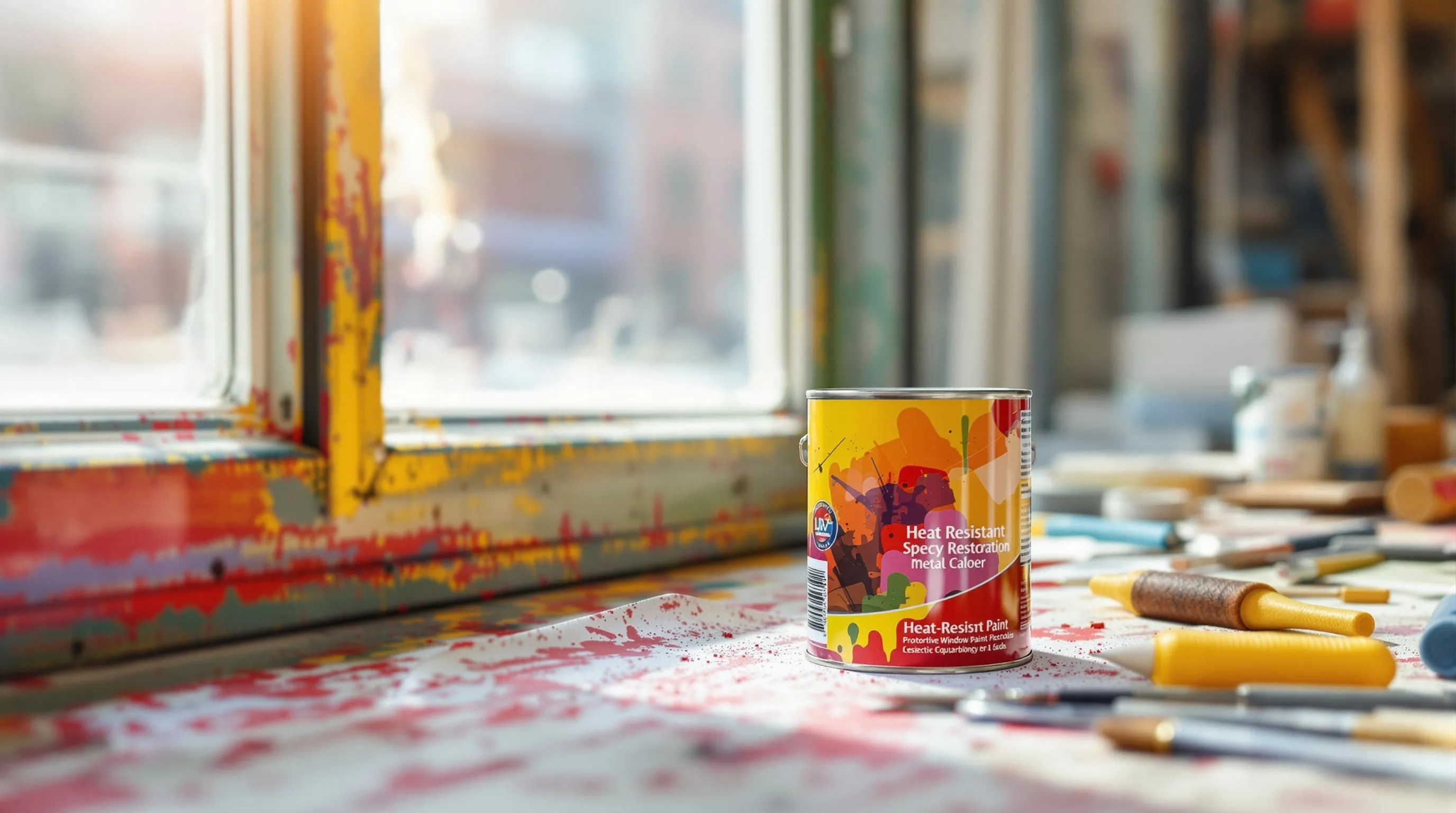
Certain metal window frames face unique conditions requiring tailored paint solutions.
Heat-Resistant Paints for High-Temperature Areas
Frames near heat sources or in direct sunlight benefit from heat-resistant paints that prevent warping, discoloration, and degradation. These coatings expand and contract with temperature changes without cracking, preserving the frame’s integrity. While not common for typical residential windows, they are essential in industrial or specialized settings.
Historic Restoration Paints for Authenticity and Protection
For heritage metal frames, restoration paints replicate original colors and finishes while incorporating modern protective features. These products help maintain architectural authenticity in historic homes and landmarks, combining traditional aesthetics with enhanced durability and environmental safety. Preservation experts often recommend these paints to balance appearance with long-term protection.
Effective Painting Techniques for Metal Window Frames
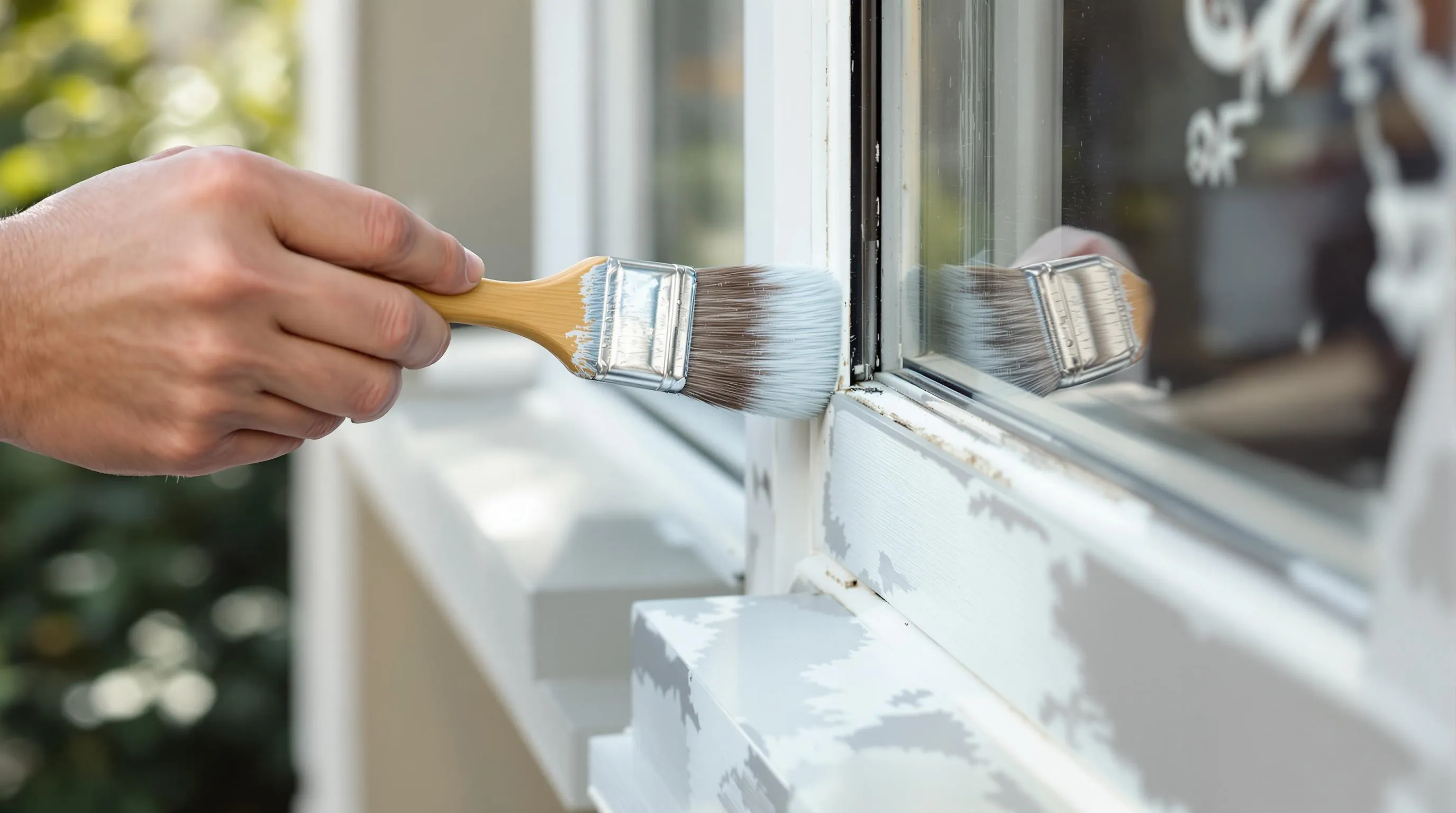
Proper application methods are vital to achieving a flawless, durable finish on metal window frames.
Brush or Spray: Choosing the Right Application Method
Brushing offers precise control, ideal for edges and detailed areas. Use high-quality synthetic brushes and apply paint evenly to avoid drips and brush marks. Spray painting covers large, flat surfaces quickly and evenly, producing a smooth finish without brush strokes. When spraying, protect surrounding areas with masking tape and avoid windy or hot conditions that can affect drying and finish quality.
Applying Multiple Thin Coats for Durability
Applying two to three thin layers rather than one thick coat prevents sagging and ensures even coverage. Allow each coat to dry fully before the next. Lightly sanding between coats with fine-grit sandpaper (220-320 grit) smooths imperfections and improves adhesion. Satin or eggshell finishes typically offer better longevity than high gloss, though specialized topcoats can protect glossy surfaces from weathering.
Optimal painting conditions are temperatures between 50-85°F (10-29°C) with moderate humidity. Avoid painting in direct sunlight or extreme heat to prevent rapid drying and visible brush marks.
Care and Maintenance of Painted Metal Window Frames

Regular upkeep preserves both the look and function of your painted metal frames, extending the life of your paint job and preventing costly repairs.
Cleaning and Performing Touch-Ups
Clean frames routinely with mild soap and water using a soft cloth to remove dirt without damaging the paint. Avoid abrasive cleaners or scrubbing pads that can scratch the surface.
For touch-ups, use the same paint type and color. Prepare the area by:
- Cleaning thoroughly to remove contaminants.
- Scraping off loose paint and sanding lightly.
- Applying a metal primer to bare spots.
- Painting with thin, even coats.
Use small brushes for detailed areas and spray paint for larger sections. Ensure good ventilation and allow each coat to dry fully.
Signs It’s Time to Repaint Metal Frames
Repainting is recommended every 5-10 years, depending on climate and paint quality. Watch for:
- Fading or chalky residue from UV exposure.
- Cracking, peeling, or bubbling paint.
- Visible rust or corrosion spots.
Harsh environments with salt air or high humidity may require more frequent repainting. Regular cleaning and prompt repairs can extend intervals between full repaints.
Final Thoughts: Choosing and Caring for Paint on Metal Window Frames
Selecting the right paint for your metal window frames is a vital investment in your home’s durability and curb appeal. From rust-resistant primers to specialty coatings for historic or high-heat situations, the options are diverse.
Remember, thorough surface preparation is just as important as paint choice. Proper cleaning, sanding, and priming lay the groundwork for a finish that lasts, whether your frames are aluminum, steel, or decorative metals.
Pairing the right application method with consistent maintenance will maximize your paint’s lifespan. Following these guidelines ensures your metal window frames stay protected and beautiful for many years.
Frequently Asked Questions
Which paint type works best for metal window frames?
Specialized metal paints with adhesion promoters and corrosion inhibitors are ideal. Oil-based enamels offer durability and gloss, while water-based acrylics provide quick drying and strong adhesion. Direct-to-metal (DTM) paints combine primer and paint for convenience. The best choice depends on your metal type and environmental exposure.
How should I prepare metal window frames before painting?
Clean thoroughly to remove dirt, grease, and oxidation. Remove loose paint with scraping, chemical strippers, or sanding. Sand the surface to improve adhesion, then apply a metal-specific primer in multiple thin coats. Proper preparation is key to a lasting finish.
Is priming necessary before painting metal window frames?
Yes, priming is essential to protect against rust and improve paint adhesion. Metal primers create a moisture barrier and enhance bonding. The exception is when using DTM paints that include primer. Multiple thin coats of primer yield the best results.
How often should metal window frames be repainted?
Typically, repaint every 5-10 years depending on climate and paint quality. Signs to repaint include fading, peeling, cracking, or rust. Indoor frames usually need less frequent repainting. Regular maintenance can extend the time between repaints.
What distinguishes interior from exterior metal paints?
Exterior paints contain stronger corrosion inhibitors, UV blockers, and weather-resistant compounds to endure outdoor conditions. Interior paints focus on low-VOC content for safety, decorative finishes, and durability against indoor wear. Exterior paints are generally more rigid, while interior paints prioritize aesthetics and air quality.
Can spray paint be used on metal window frames?
Absolutely. Spray paint offers fast, even coverage without brush marks. Use metal-specific spray paints with built-in primers for best adhesion. Mask surrounding areas carefully and apply multiple light coats for a professional finish.
How do I maintain painted metal window frames?
Clean regularly with mild soap and a soft cloth, avoiding abrasives. Inspect annually for damage or rust. Touch up with matching paint after proper surface prep. In harsh climates, applying a protective wax can help. Address moisture issues promptly to prevent corrosion.
Are special paints required for historic metal window frames?
Yes, historic frames benefit from restoration paints that replicate original finishes while providing modern protection. These paints preserve architectural authenticity and protect against environmental damage. Consult preservation experts when working on heritage properties.